There’s a 99.9% chance that anyone who grew up with toys has played with LEGO bricks – or at least stepped on one. But have you ever wondered where LEGO actually comes from? Is LEGO from Denmark, or did it originate somewhere else? Let’s dive into the history behind one of the world’s most iconic toys.
- LEGO’s Danish Origins: LEGO was founded in 1932 in Denmark by Ole Kirk Christiansen, and its name combines Danish words meaning ‘play well,’ reflecting its cultural roots.
- Transition to Plastic Bricks: In 1949, LEGO began producing interlocking plastic bricks, with the patented ‘clutch power’ design from 1958 allowing secure yet separable connections.
- Global Expansion and Milestones: LEGO opened LEGOLAND in 1968, introduced Duplo in 1969, and created its first minifigure in 1978, transforming from a local toy maker to a global phenomenon.
- LEGO’s Media and Themes: LEGO expanded into movies like ‘The LEGO Movie,’ popular themes like Star Wars and Marvel, and secure its place in entertainment for all ages.
- Danish Pride and International Recognition: LEGO remains owned by the Kirk Kristiansen family, is celebrated globally, and is considered a key Danish export with attractions like LEGOLAND in Denmark.
Is Lego from Denmark?
Yes, Lego is from Denmark. The Lego company was founded in 1932 by Ole Kirk Christiansen, a Danish carpenter from the small town of Billund. He originally produced wooden toys in his workshop during the Great Depression. When the time came to name his company, he blended two Danish words – “leg godt” meaning “play well” – to create LEGO. The name was both simple and deeply rooted in Danish culture.

From Wooden Toys to the LEGO Brick
In 1949, the LEGO Group began producing the interlocking plastic bricks that would eventually change toy history. Their revolutionary “clutch power,” developed in the 1950s, allowed bricks to connect firmly while still being easy for children to separate. That design was patented in 1958, and it remains compatible with modern LEGO bricks today.
Throughout the decades, LEGO expanded rapidly:
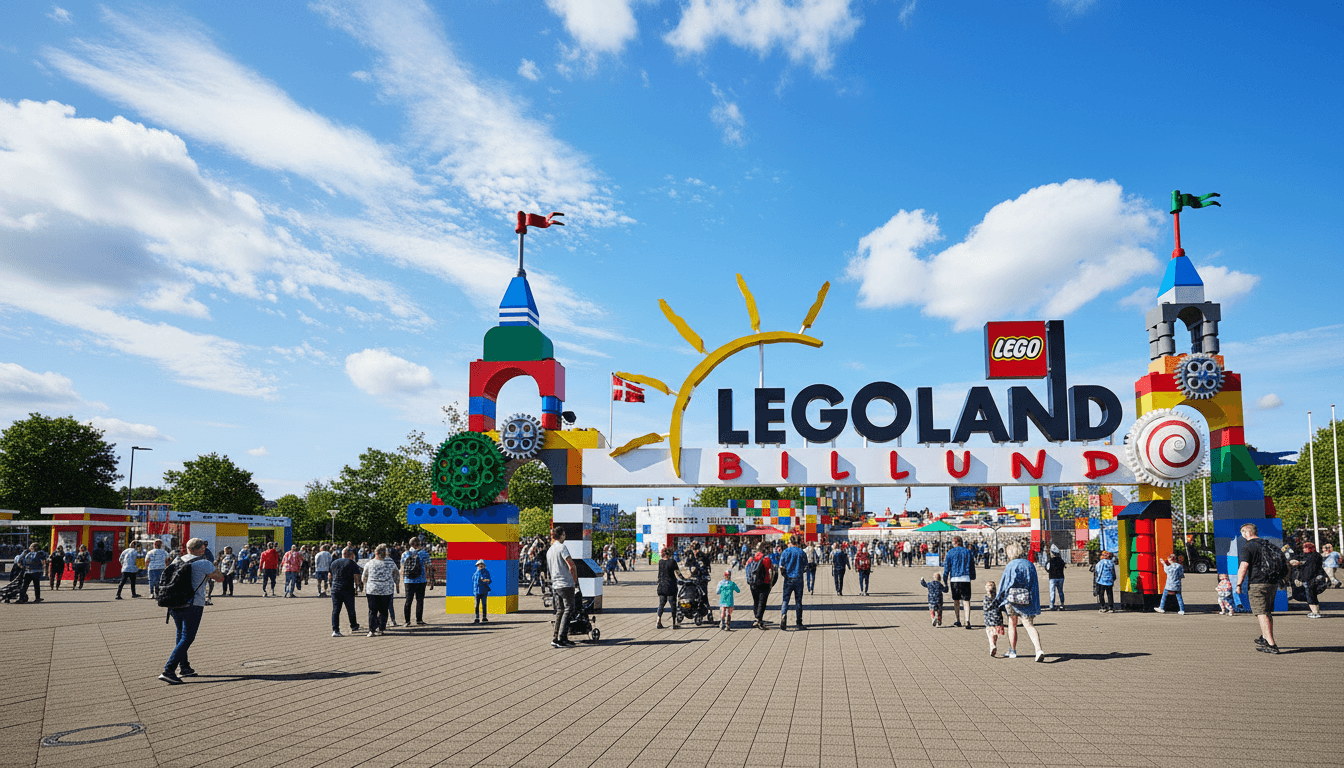
- 1968: The world’s first LEGOLAND® park opened in Billund, featuring intricate miniature cities built entirely from LEGO bricks.
- 1969: LEGO introduced Duplo, larger bricks designed for toddlers.
- 1978: The first LEGO minifigure was created, giving kids characters to populate their builds.
These milestones helped transform LEGO from a local Danish toy-maker into a global cultural phenomenon.
LEGO Themes, Movies, and Media
As LEGO grew, so did its universe. Today, LEGO themes cover everything from fantasy worlds to real-life icons and blockbuster franchises.
Popular categories include:
- Star Wars® – With sets like the Millennium Falcon and X-Wing fighters.
- Marvel® – Featuring Spider-Man, Iron Man, and full Avengers scenes.
- LEGO City® – A classic line with everyday buildings, vehicles, and characters.
- Technic® – Complex models for advanced builders.
LEGO also expanded into film and entertainment:
- The LEGO Movie (2014) became a global hit
- The Batman Movie and The Ninjago Movie followed
- Multiple award-winning video games and TV series added to the universe
These expansions helped secure LEGO’s place not just as a toy, but as a storytelling brand beloved by all ages.
A Danish Icon With Global Reach
Meanwhile, LEGO remained proud of its Danish identity. The Kirk Kristiansen family still owns the LEGO Group through the KIRKBI holding company, ensuring strong ties to the original vision.
LEGO has also earned international recognition:
- 1998: LEGO bricks were inducted into the U.S. National Toy Hall of Fame
- 2000: The LEGO brick was named “Toy of the Century”
- Today: LEGO products are sold in more than 140 countries
From Billund to Beijing, LEGO has become one of Denmark’s most successful global exports.
Visiting LEGO in Denmark
If you ever travel to Denmark, you can visit:
- LEGOLAND® Billund Resort
- LEGO House, known as “Home of the Brick,” located in central Billund
Both attractions are built around creativity, design, and the story of the LEGO Group. Billund is about a 3.5-hour drive from Copenhagen, and for LEGO fans, it’s absolutely worth the trip.
Final Thoughts
So, is LEGO from Denmark?
Absolutely—and it remains one of the country’s proudest cultural and commercial achievements.
From a small carpenter’s workshop in Billund to a global entertainment giant, LEGO continues to inspire imagination across generations. Whether you visit a LEGO Store, explore LEGOLAND, or build from home, you’re engaging with a piece of Danish heritage that has truly shaped the world of play.
The LEGO® House is still owned by the Kirk Kristiansen family. While Lego bricks have become a tool of modern art, the company is still striving to break new ground. If you’re around Copenhagen and haven’t visited the original LEGOLAND® Billund Resort, pack a small bag and head out. The 3.5-hour drive will certainly be worth it.

FAQ
Is LEGO from Denmark?
Yes, LEGO was founded in Denmark in 1932 by Ole Kirk Christiansen, and its name combines Danish words meaning ‘play well,’ reflecting its Danish roots.
When did LEGO start producing plastic bricks?
LEGO began producing interlocking plastic bricks in 1949, with the patented ‘clutch power’ design introduced in 1958.
What popular franchises does LEGO feature?
LEGO features popular franchises such as Star Wars, Marvel, City, and Technic. It also expanded into movies, TV series, and video games.
Where can I visit LEGO attractions in Denmark?
You can visit LEGOLAND Billund Resort and LEGO House in Billund, Denmark, both offering immersive experiences around creativity and the history of LEGO.