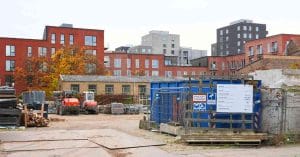
Copenhagen’s housing market is shifting power back to buyers this week, with the number of flats for sale climbing steadily through 2026 after years of scarce supply and record prices that now average around DKK 60,000 per square meter.
The change marks the first sustained rise in listings in years. Data from Boligsiden shows 2026 has delivered five consecutive months of increasing flat supply nationwide, a turning point from the seller dominated market that has frustrated internationals and Danes alike since the pandemic.
For foreign residents in Denmark, the practical impact is already visible. Estate agents report that time on market for typical two room flats in Greater Copenhagen has stretched from around 30 days in summer 2025 to roughly 45 to 50 days by mid 2026. That extra fortnight means buyers can finally negotiate, inspect, and think rather than scrambling into bidding wars.
But affordability remains brutal by European standards. Copenhagen flat prices per square meter are roughly twice the EU average for urban housing, according to the most recent available Eurostat figures from 2025. And even with more flats for sale, transaction volumes in the capital dropped by around 10 to 15 percent in the first half of 2026 compared with the same period last year, per Nordea Kredit housing reports.
What drove the shift
Three forces converged to cool demand. Interest rates on standard 30 year fixed mortgages rose from around 1 to 1.5 percent in 2021 to about 4 percent in 2024, roughly tripling monthly financing costs for new buyers. Stricter lending rules for interest only mortgages have cut speculative demand. And tighter immigration rules for non EU workers in 2026 have reduced inflows of high earning foreign professionals who previously competed for central apartments.
The result is a market where sellers no longer dictate terms. Boligsiden transaction analytics, rarely published outside professional reports, show the share of Copenhagen flats sold above asking price fell from roughly one in three deals in early 2025 to around one in five in early 2026.
That shift is most visible at the top end. The share of Copenhagen owner occupied flats listed above DKK 10 million has more than doubled in five years, reaching around 7 to 8 percent of all listings in mid 2025, according to Boligsiden price band data. Those luxury units are now sitting longer, signalling that even wealthy buyers are waiting for better deals.

Why internationals still face a squeeze
The new supply mainly affects owner occupied flats, not the rental market where most expats live. That means foreign residents will feel the shift only indirectly through slower rent increases or more willingness from owners to negotiate. And Copenhagen property prices remain roughly 30 to 35 percent higher than Aarhus and 60 to 70 percent higher than Odense, according to the most recent Statistics Denmark figures from 2025.
About 16 to 18 percent of residents in the City of Copenhagen in 2025 had foreign citizenship or were born abroad, versus 11 to 12 percent nationally, concentrating internationals in the most expensive housing market. International House Copenhagen reported that more than 20,000 internationals used its services in 2024 to 2025 to register CPR, tax and residence documents, suggesting a large inflow typically entering as tenants rather than buyers.
Denmark’s household debt, at around 230 percent of disposable income in 2023 according to OECD data, remains one of the highest in the developed world. That legacy of cheap borrowing means any price correction could leave recent buyers, including internationals who purchased at peak prices, exposed to negative equity.

What to do now
For foreign residents considering buying, the rise in supply creates room to negotiate below asking price, especially on flats listed for several weeks. Prospective buyers should factor higher interest rates into affordability calculations and consider fixed rate mortgages to avoid future shocks.
International Citizen Service centres in Copenhagen, Aarhus, Aalborg and Odense provide free guidance in English on registration, residence status and tax issues. Municipal integration services can help newcomers understand local rental rules, deposit protections and typical lease terms, reducing the risk of unregulated sublets common among expats in overheated markets.
Looking beyond the most central districts can cut housing costs significantly. Statistics Denmark price maps show per square meter prices in some outer municipalities are 30 to 40 percent lower than in the city centre, though still above EU averages, as of 2025.