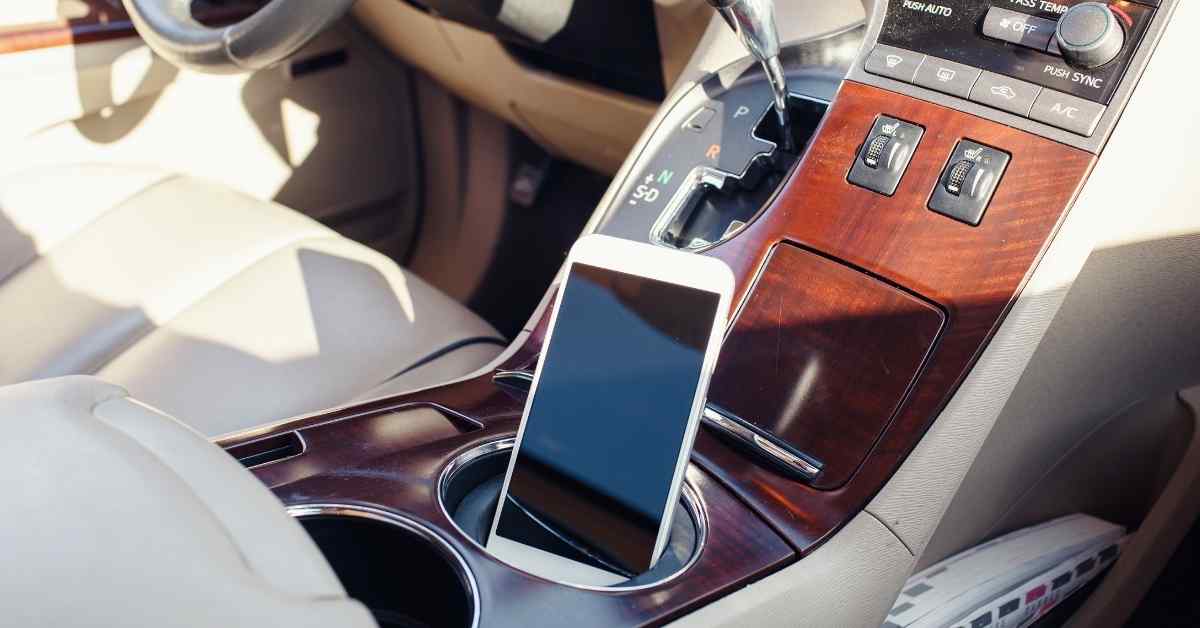
Car makers are now sending targeted ads directly to Danish drivers’ dashboard screens, buried in fine print most owners never read. The practice raises urgent questions about whether consent rules designed for smartphones really protect the private space of your car.
BMW and Audi owners across Denmark have started seeing marketing messages pop up on their infotainment screens this summer. A Spider-Man film promotion appeared on BMW dashboards in August 2026. An Adidas Formula 1 partnership message hit Audi cars in March. Both brands insist customers consented, but most drivers cannot recall agreeing to turn their cabin into an ad platform.
The legal basis lies deep in the terms. BMW’s privacy policy for connected vehicles explicitly permits in-vehicle messages and offers from BMW and selected partners based on location and driving behaviour. That clause, revised in 2025, essentially pre-authorises the kind of branded content now appearing. Almost no one reads it.
When your car doubles as a billboard
Connected cars are now the norm in Denmark. The most recent available figures, from 2025, show that 86 percent of newly sold passenger cars had built-in internet connectivity and remote-update capability. That is up from 71 percent in 2020 and 39 percent in 2015. Sweden reached 92 percent in 2025, but Denmark sits near the top of the European pack.
Premium brands account for a growing slice of that connected fleet. BMW, Audi and Mercedes-Benz together represented 24 percent of all new passenger cars registered in Denmark in 2025, compared with 18 percent in 2020. Almost a quarter of new Danish cars now come from makers already experimenting with dashboard marketing.

Industry projections, published in 2023, estimated that car manufacturers could earn between 100 and 150 US dollars per vehicle per year from data-driven services and advertising by 2030. That was up from roughly 15 to 25 dollars in 2023. On a typical Danish premium EV lease costing 5,000 kroner per month, that implies the manufacturer could earn an extra 60 to 90 kroner per month per car from upselling and ads by decade’s end.
What the fine print actually says
Under Danish and EU law, sending ads to a digital screen qualifies as electronic marketing. It requires valid, documented consent. Denmark’s Data Protection Authority, Datatilsynet, has stated plainly that companies must not hide behind complex consent declarations if the purpose is to send advertisements to consumers. Consent must be specific and informed.
BMW’s ConnectedDrive terms for EU customers specify that vehicle data and usage data may be processed to provide personalised in-vehicle messages, recommendations and offers. That data can include vehicle position, driving behaviour, charging behaviour and interaction with infotainment services. Most Danish buyers accept those terms in English without realising they cover push notifications on the dashboard.
Audi Denmark has called its March Adidas message a regrettable error. The brand confirmed that Danish drivers received it and promised to prevent repetitions. The admission shows that campaign tools at OEM headquarters can easily overshoot the boundaries of valid consent, or mis-target drivers who never opted in.
Expats and company cars are especially exposed
Internationals living in Denmark face a double risk. Many rely on employer-provided company cars where fleet-wide telematics and messaging settings may have been agreed by the IT department, not the individual driver. Statistics Denmark does not publish ownership breakdowns by nationality, but the most recent data, from 2024, shows that 18.2 percent of Copenhagen residents were of non-Danish origin, up from 15.3 percent in 2019. Expats are concentrated in major cities and over-represented among drivers of connected premium fleet vehicles where in-car marketing is being piloted.
Under GDPR, individuals retain the right to object to direct marketing and to demand erasure of marketing profiles, even if the car is company-owned. Yet few expats know that right applies inside the vehicle.

From festive apps to full-blown campaigns
BMW’s October 2025 press release about its Spider-Man partnership describes the sequence as part of a Festive app. The in-car experience is explicitly linked to the film’s August 2026 cinema launch. What began as seasonal greetings at Christmas and New Year has morphed into integrated entertainment marketing delivered via over-the-air software updates.
Audi’s February 2026 press release on its Adidas Formula 1 partnership included downloadable HMI visuals for media partners. The campaign was designed from the outset to appear not just on billboards but on digital vehicle interfaces. The line between product information and third-party advertising is deliberately blurred.
BMW insists it is not advertising
A BMW representative told Mediapost in 2024 that the car cabin is a private room and therefore BMW would hardly sell ad space on the car screens. That statement now looks optimistic at best. BMW frames Spider-Man as a creative brand partnership rather than third-party advertising. The company claims content is only shown at standstill and only to users who consented to marketing.
Consumer groups are not convinced. FDM, Denmark’s motorists’ association, argues that customers should not be turned into captive audiences after purchasing a high-value product. They are calling for a clear no-ads setting at car level that OEMs must respect.

What you can do
Drivers can reduce or stop in-car marketing by changing consent settings in the OEM apps. For BMW owners, the My BMW app houses the key toggles. Users can switch off personalised offers and partner messages under privacy or communication settings. BMW confirms that Danish customers can withdraw consent at any time without affecting basic vehicle functionality.
Audi drivers can review privacy settings in the MMI interface or the myAudi app. Audi Denmark states publicly that customers must not receive that type of communication without consent. Expat drivers in company cars should also review their employment contracts and fleet policies, which may authorise telematics and messaging on behalf of the employer.
If you believe your in-car marketing consents are invalid or misleading, you can file a complaint with Datatilsynet. The authority offers materials in English and accepts electronic complaints. The Consumer Ombudsman also handles cases of unlawful marketing and can guide internationals to EU-level resources if relevant.
Regulation is catching up slowly
The European Commission’s proposed Data Act and existing Digital Services Act are beginning to touch on transparency obligations for manufacturers of connected devices. Legal experts say those rules will indirectly apply to car makers’ use of dashboards for marketing once national implementing rules are in place. Germany’s data protection authorities published position papers in 2023 warning that in-car telemetry combined with personalised offers can constitute intrusive profiling. They recommend explicit, separate consent for in-vehicle marketing rather than bundling it into general connectivity terms.
Denmark’s Consumer Ombudsman has already fined a major car manufacturer in 2024 for misleading environmental claims. The sector is under close scrutiny. That sets a precedent for tougher future action if OEMs cross the line again.