A police officer in Copenhagen’s nightlife district has sparked debate simply by existing: she wears a hijab on patrol, and many Danes still find that surprising in 2026.
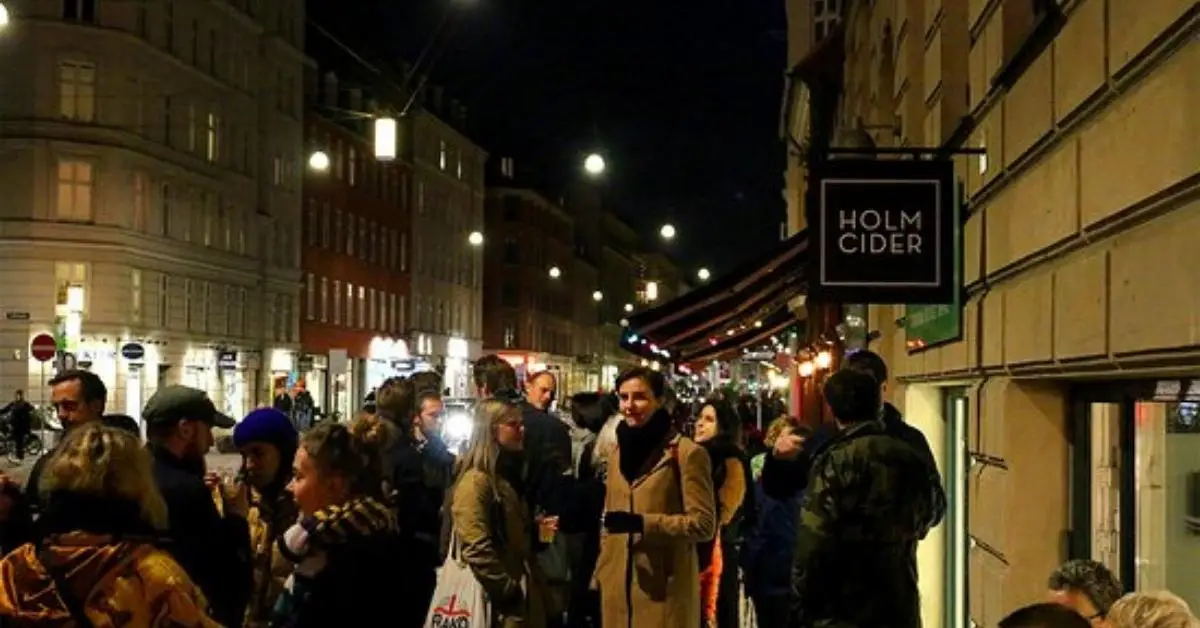
The conversation about what a Danish police officer looks like is happening on the streets of Vesterbro and around Halmtorvet, where weekend crowds reportedly do double takes. According to TV 2, the officer has become a visible symbol of how Denmark’s workforce is shifting. For a country that promotes inclusion, the reaction reveals a gap between stated values and everyday perception.
When Representation Meets Reality
According to Statistics Denmark, immigrants and descendants now make up 16.8 percent of the population in 2026. That figure includes people from both Western and non-Western backgrounds, tracked by parental birthplace and citizenship. Yet visibility in uniform remains rare enough, according to TV 2’s reporting, to draw attention on a Saturday night in Copenhagen.

According to TV 2, most people are surprised when they see her working the nightlife beat. The surprise centers not on her competence or authority but on the hijab. In a country where debates over state neutrality and religious symbols have intensified in recent years, questions about religious dress in public sector uniforms remain contentious.
The Workforce Denmark Is Building
Denmark has spent years debating integration, diversity in hiring, and who belongs in public institutions. The results are uneven. Immigrants and descendants are present in the labor market, but their distribution across sectors tells a more complicated story. High visibility roles like policing in central Copenhagen remain less representative than the population they serve.

Her presence aligns with broader recruitment efforts aimed at making the police reflect the communities they work in. Whether Denmark is ready to see that reflection without surprise is another question. The reactions suggest that for many, the image of authority remains tightly bound to ethnicity and appearance.
What Surprise Reveals About Danish Policing
The double takes and comments, as reported by TV 2, are not necessarily hostile. Many are simply startled. But surprise itself is informative. It shows how narrow the public’s mental image of a Danish police officer remains, even as the country’s demographics shift.

This is not just about one officer or one neighborhood. It is about whether Denmark’s institutions can become as representative as the communities that fund and rely on them. The cycling commuters, the food market vendors, and the late night revelers in Vesterbro increasingly reflect the country’s growing diversity. The officers who keep order could too.
The Hijab Debate Denmark Keeps Having

Public sector employment in Denmark carries symbolic weight. Who wears the uniform matters, not just functionally but culturally. The hijab debate has cycled through schools, courts, and workplaces for years. Each time, the same questions resurface. Can religious identity coexist with institutional neutrality? Does visibility signal acceptance, or does it provoke backlash?
The officer on patrol does not have the luxury of waiting for consensus. She shows up, does the job, and absorbs the attention. For some Danes, her presence is evidence that integration efforts are working. For others, it remains uncomfortable. Whether public reaction shifts toward acceptance or resistance depends on how Denmark chooses to frame the story of who gets to represent it.