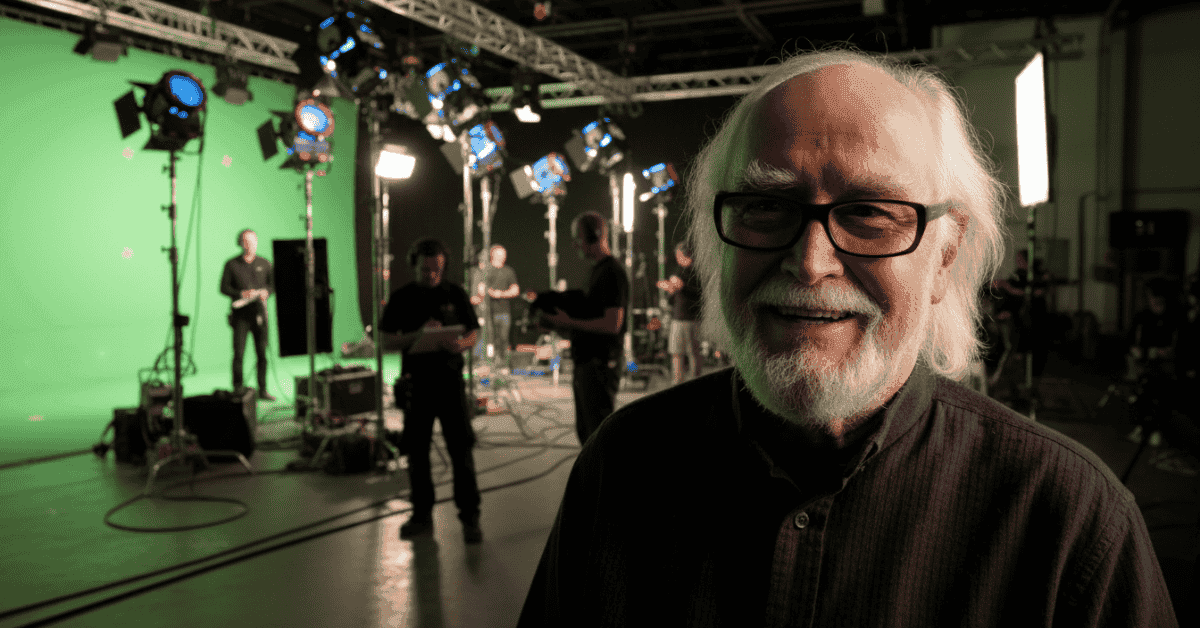
Henning Carlsen built his career on telling stories that mattered. As a director, screenwriter, and producer, he approached filmmaking with an unflinching gaze, exposing human frailty and social injustice with precision. His films were as much about their subjects as they were about the world around them. He was born on June 4, 1927, in Aalborg, Denmark, and died on May 30, 2014, in Copenhagen—but his legacy in Danish and international cinema extends far beyond those dates.
- Henning Carlsen’s Legacy in Cinema: A Danish filmmaker known for exposing human frailty and social injustice through unflinching storytelling, his work remains influential beyond his lifetime.
- Early Life and Path to Filmmaking: Born in Aalborg in 1927, Carlsen’s early exposure to literature and war shaped his realistic approach to documentary and social issues in film.
- Breakthrough Films Demonstrating Political Boldness: His first feature ‘Dilemma’ (1962) was secretly shot in apartheid South Africa, and ‘Hunger’ (1966) gained international acclaim for its raw depiction of poverty and madness.
- Creative Range and Involvement in Filmmaking: In addition to directing, Carlsen was also a skilled editor, producer, and screenwriter, actively shaping his films from conception to completion.
- Awards and Global Recognition: Carlsen received prestigious awards like the FIPRESCI Prize at Cannes and Bodil Awards, cementing his reputation in Danish and international cinema.
Early Life and the Path to Filmmaking
Carlsen’s work spans documentary realism, literary adaptation, and politically charged storytelling. Whether he was filming secretly under apartheid in South Africa or adapting the work of Knut Hamsun, his films demanded engagement. He did not soften his subjects. He presented them in all their contradictions, making audiences sit with discomfort rather than offering easy conclusions.
Henning Carlsen’s upbringing was shaped by a Denmark still reckoning with war and occupation. His early exposure to literature—especially Norwegian author Knut Hamsun—would later influence his adaptations. But it was film that took hold of him.
He began his career at Minerva Film, working as an assistant director and editor. By 1953, he had transitioned to Nordisk Film, where he would develop his style further. The documentary form was his first real proving ground. His early films, including Family Pictures (1964), demonstrated his ability to capture reality without manipulation. He applied these same instincts when he moved into fiction, creating films that felt just as raw as his documentaries.
A Career Built on Tension and Truth
Dilemma (1962): Filming Under Apartheid
Carlsen’s first feature film, Dilemma, was an act of defiance. Based on Nadine Gordimer’s novel A World of Strangers, it was shot secretly in South Africa during apartheid—a risk few filmmakers were willing to take. The film exposes the country’s brutal racial divide without embellishment or moralizing.
The project was both a political statement and a stylistic revelation. Carlsen approached it with the same documentary instincts he had honed early in his career, allowing the setting to speak for itself. The film’s impact was immediate. It forced audiences to confront a reality most tried to ignore.

Hunger (1966): The Masterpiece
Carlsen’s best-known film, Hunger, is a cinematic gut punch. Based on Knut Hamsun’s novel, it follows a struggling writer’s slow unraveling, capturing starvation not just as a physical ordeal but as a descent into madness. The lead performance by Per Oscarsson was so raw that it earned him the Best Actor award at Cannes. The film itself won the FIPRESCI Prize at the Cannes Film Festival and was nominated for a BAFTA Award.
This wasn’t a period piece. Carlsen made the hunger immediate, the desperation visceral. The camera lingered when others would have cut away. He made audiences feel every moment.
Wolf at the Door (1986): Donald Sutherland as Gauguin
Carlsen’s 1986 film Wolf at the Door (Oviri) took a different approach. This was a biographical drama about artist Paul Gauguin, starring Donald Sutherland in one of his most intense performances.
The film doesn’t try to redeem its subject. Gauguin is brilliant but selfish, talented but destructive. Carlsen doesn’t guide the audience toward sympathy or condemnation. He simply presents the man as he was.
From the Big Screen to the Editing Room
Before he was a director, Carlsen was an editor. Even as his career evolved, that skill never left him. His films are tightly cut, never indulgent. Every frame serves a purpose and every moment is deliberate.
He also worked as a producer and screenwriter, shaping the stories he wanted to tell rather than waiting for the right projects to come to him. His involvement in every stage of filmmaking is part of what made his work so cohesive.

Awards and Recognition
Carlsen was recognized not just in Denmark, but internationally. His work won multiple awards, including:
- FIPRESCI Prize at the Cannes Film Festival (1966) for Hunger.
- BAFTA nomination for Hunger.
- Bodil Awards for Best Danish Film (Hunger and People Meet and Sweet Music Fills the Heart).
He was also featured in World Film Directors, Volume Two, 1945–1985, a recognition of his lasting impact on global cinema.
Carlsen’s Filmography
- Dilemma (1962): Filmed illegally under apartheid, adapted from Nadine Gordimer.
- Hunger (1966): One of the greatest Scandinavian films ever made.
- The Cats (1965): A tense drama about women in crisis.
- Oh, to Be on the Bandwagon! (1967): A war film that didn’t glorify war.
- A Happy Divorce (1975): A film that subverted expectations about marriage.
- Wolf at the Door (1986): A portrait of Paul Gauguin starring Donald Sutherland.
Conclusion About Henning Carlsen
Henning Carlsen’s legacy isn’t just in his awards or critical praise. It’s in the films themselves. He didn’t make movies to entertain. He made them to reveal, to challenge, to unsettle. He was a Danish filmmaker, but his work spoke to something bigger.
Summary
- Directing style:Carlsen used unflinching realism to explore social injustice, political conflict, and psychological struggle, often refusing to comfort his viewers.
- Breakthrough film: Dilemma (1962), shot illegally in apartheid-era South Africa, revealed Carlsen’s political boldness and documentary instincts.
- Defining work: Hunger (1966), a bleak adaptation of Hamsun’s novel, earned global praise for its raw portrayal of poverty and madness.
- Creative range: Besides being a director, Carlsen was also a screenwriter, editor, and producer, deeply involved in all aspects of his films.
- Legacy: Carlsen’s films are still essential to Danish cinema, noted for their integrity and refusal to look away from hard truths.

Frequently Asked Questions
What characterizes Henning Carlsen’s directing style?
Henning Carlsen’s directing style is characterized by unflinching realism, exploring social injustice, political conflict, and psychological struggle without offering comfort or easy conclusions.
What was Henning Carlsen’s breakthrough film?
His breakthrough film was ‘Dilemma’ (1962), shot illegally in apartheid South Africa, demonstrating his political boldness and documentary instincts.
What is considered Henning Carlsen’s defining work?
His defining work is ‘Hunger’ (1966), praised worldwide for its raw and bleak portrayal of poverty and madness.
In addition to directing, what other roles did Henning Carlsen have in filmmaking?
Besides directing, Carlsen was also a screenwriter, editor, and producer, actively involved in all aspects of his films.
What is Henning Carlsen’s lasting legacy in cinema?
His legacy lies in his films’ integrity and refusal to look away from hard truths, making them essential to Danish and international cinema.