A serious pollution incident has killed all aquatic life along a stretch of Bredemoserenden stream on Fyn, marking yet another environmental disaster for a watercourse that has suffered repeated contamination in recent years. Nyborg Kommune is now investigating what appears to be an ensilage discharge from a nearby cattle farm.
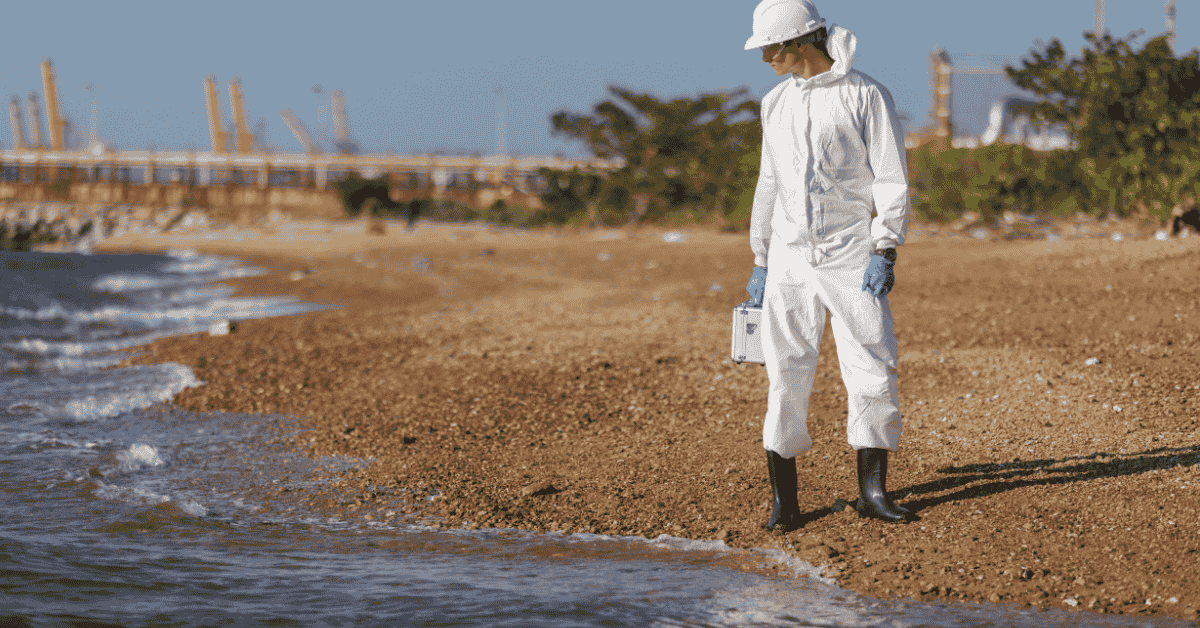
The pollution was reported on Tuesday, May 26, by a local resident who noticed the devastation in the small stream near Langå in eastern Fyn. Municipal environmental inspectors responded quickly, taking water samples and measuring oxygen levels in what has become a depressingly familiar routine for this particular waterway.
The suspected source is ensilage liquid from a cattle operation that has been linked to previous pollution incidents. According to Danmarks Sportsfiskerforbund, the same property was involved in contamination cases in January 2025 and again in March 2026. The pattern raises uncomfortable questions about enforcement and oversight.
When Everything Dies
Jakob Humaidan, chairman of Svendborg Sportsfiskerforening, expressed the frustration many local anglers feel. As he noted, every time such pollution occurs, the fish and insects that might have survived are killed off. The road back to a healthy stream with proper ecological status becomes impossibly long.
The watercourse feeds into Stokkebæk, where Svendborg’s angling association holds fishing rights and collects broodstock each year for stocking programs across Fyn. One pollution event can wipe out years of volunteer work and biological investment in a matter of hours.
Repeat Offenders
What makes this case particularly galling is the history. This is not a one time accident or an unforeseeable mishap. The site has been flagged before. Municipal authorities were alerted to signs of pollution just two months ago.
Torben Hansen, nature and environment consultant at Danmarks Sportsfiskerforbund, acknowledged that Nyborg Kommune responded quickly this time. But as he pointed out, the damage was already done. The fish were already dead. The invertebrates were already gone. Speed of response matters less when the response is always reactive.
Hansen is now calling for a clear plan to prevent future incidents. He wants to know how the municipality and the landowner will ensure this does not happen again. I have covered enough of these stories to know that such assurances often amount to little more than vague promises and a few extra inspections.
The Consequences Question
Hansen also raised a point that resonates with anyone who has watched Danish environmental enforcement over the years. There need to be real consequences for polluters, he argued. Without them, the pattern simply continues. The tendencies we see in similar cases around the country suggest that pollution often ends with nothing more than a raised finger.
Meanwhile, anglers and municipalities start from scratch, trying once again to rebuild a healthy aquatic environment and viable fish populations. The cycle is exhausting and demoralizing for those who care about Denmark’s waterways.
What Ensilage Does
For those unfamiliar with the mechanics of farm pollution, ensilage liquid is among the worst offenders. It is the fluid that seeps from stored, fermented fodder like green grass. Like slurry, it is highly polluting and can kill fish rapidly if it enters a stream.
Danish regulations treat ensilage liquid the same as slurry. It must be collected and stored in sealed tanks until it can be spread on fields as fertilizer. Spreading is only allowed after February 1, and never on frozen or waterlogged ground. These rules exist precisely because of the damage that can occur when they are ignored or systems fail.
A Broader Pattern
Living in Denmark for years, I have watched these stories repeat with depressing regularity. Small streams across the country are hit by slurry spills, chemical leaks, and agricultural runoff. Each time, local communities express outrage. Each time, officials promise investigations. And each time, the underlying problems remain largely unaddressed.
Municipal environmental inspections have been scaled back over the past decade, even as the pressure on waterways has increased. Resources are tight. Priorities shift. And small streams like Bredemoserenden, which may not look like much on a map, slip through the cracks.
Yet these waterways are critical corridors for biodiversity. They connect habitats. They provide spawning grounds for migratory fish. Their health reflects the health of the broader landscape. When we lose them, we lose more than just fishing opportunities.
What Happens Next
Nyborg Kommune’s investigation will determine the exact source and scale of contamination. If the cattle operation is confirmed as responsible, the case will likely be referred to police. Under Danish environmental protection law, violations can result in fines and, in serious cases, imprisonment.
But as Hansen suggested, previous cases often result in relatively modest penalties. The biological damage far exceeds the legal consequences. A stream that took decades to reach ecological balance can be wiped out in hours, yet the responsible party may face only a fine.
For Bredemoserenden, recovery will take years. Fish populations must be rebuilt. Invertebrate communities must reestablish themselves. The ecological clock has been reset to zero on this stretch, and there is no guarantee it will not happen again before recovery is complete.