Danish building regulations require acceptable thermal comfort indoors, with technical guidance referencing operative temperatures around 17 to 26 degrees Celsius as the standard comfort range. Yet some residents are reporting headaches, nausea, and dizziness in homes that trap heat far beyond that range.
Some residents report leaving their apartments during the day because indoor heat causes serious discomfort. This is not just a comfort issue. According to Sundhedsstyrelsen, severe heat illness is a medical condition requiring active cooling and urgent care.
When Insulation Becomes a Trap
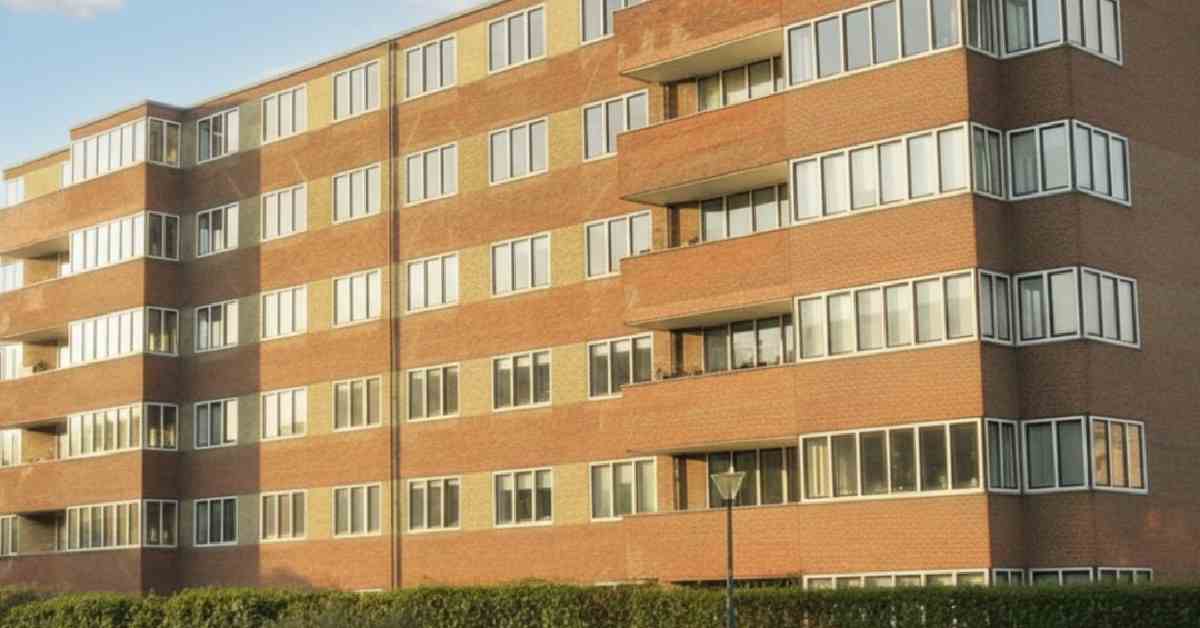
Denmark’s newer and renovated housing has increasingly been built to strong energy-efficiency standards that reduce heat loss in winter. Experts warn that without adequate shading and ventilation, those same tight, well-insulated building envelopes can increase the risk of summer overheating. Residents in newer apartment blocks and recently renovated houses have reported conditions that linger long after the sun sets.
According to Teknologisk Institut, poor indoor climate commonly triggers headache, fatigue, concentration problems, dizziness, and nausea. Those are recognised warning signs. According to Sundhed.dk and Sundhedsstyrelsen, symptoms like headache, dizziness, and nausea can indicate heat illness, meaning the body is struggling to cope with heat stress.

The Regulatory Gap
BR18, Denmark’s current building regulation, requires that buildings provide acceptable thermal comfort. Technical guidance associated with BR18 uses an operative temperature range of roughly 17 to 26 degrees Celsius as the indoor comfort target for dwellings. Designers are expected to limit summer overheating, particularly in living rooms and bedrooms. But enforcement in occupied homes is another matter.
Residential air conditioning is still relatively uncommon in Denmark. Guidance from Teknologisk Institut typically focuses on shading, ventilation, and behavioral measures instead. Their indoor climate advice recommends airing out with cross-draughts at least three times daily for five to ten minutes. That approach works when outdoor air is cooler. Experts warn that when outdoor air remains warm and humid, simple ventilation can be less effective.
Health Guidance Says Move
The guidance from Sundhed.dk is direct. If you notice heat stress symptoms, seek cooler surroundings early. Drink plenty of fluids. Cool your body with cold cloths, a shower, or a fan. According to Sundhedsstyrelsen, if confusion, vomiting, or fainting develop, call 112 immediately. Despite Denmark’s generally temperate climate, health authorities now publish detailed guidance for very warm weather and heat illness.

The reality for many residents is that cooler surroundings are not always available. Families with children, older people, and anyone working from home cannot simply relocate every afternoon. Renters lack the power to install shading or make structural changes without landlord approval.
The Cost of Adaptation
Fixing overheating requires either passive measures like external shading and improved ventilation, or active cooling systems. Retrofitting older buildings can involve significant expense. Landlords and housing associations face the choice between investing in summer comfort or waiting for complaints to escalate.

Meanwhile, indoor temperatures in private homes are generally not monitored by authorities. BR18 sets comfort requirements, and technical guidance defines the acceptable temperature range. But residents who suffer the consequences have no clear, immediate recourse.
The Efficiency Paradox
Stricter insulation and airtightness requirements under BR18 improve winter energy efficiency. But experts warn that without adequate shading and ventilation they can increase the risk of summer overheating, which Sundhedsstyrelsen links to heat stress and hedeslag. This is climate adaptation in reverse.

Teknologisk Institut guidance also stresses humidity control. Humidity makes the same temperature feel hotter and reduces the body’s ability to cool through sweating. Airing out after cooking, bathing, or drying clothes indoors helps manage both heat and moisture indoors.
What Comes Next
Experts recommend that residents document indoor temperatures, note symptoms, and notify landlords or housing associations in writing. If a building is new or recently renovated, residents can ask whether it meets the indoor climate expectations set out in BR18. Demanding practical solutions like shading or improved ventilation is a reasonable starting point.

The broader fix requires rethinking how Danish housing performs in summer. BR18 comfort requirements and Sundhedsstyrelsen’s detailed hot-weather guidance together highlight a growing gap between formal expectations and lived conditions. Denmark built for winter. Now it needs to build for summer too.