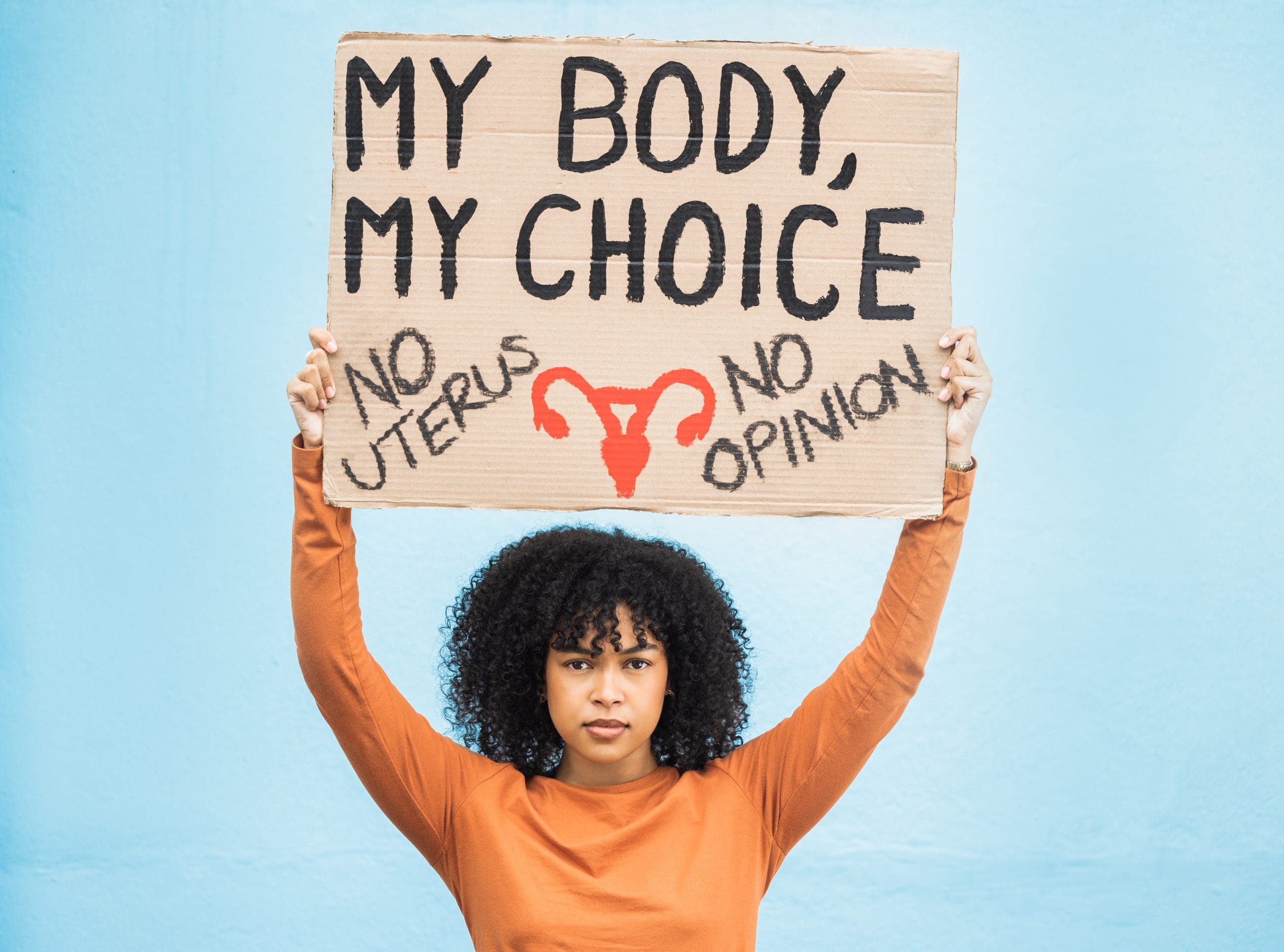
The Faroe Islands are holding a historic vote that could finally grant women the right to decide for themselves. The proposed law would allow abortion up to the 12th week of pregnancy, bringing the territory closer to Denmark and most of Europe.
Parliament Faces a Defining Vote
In Tórshavn, the Faroese parliament, known as Lagtinget, is once again debating the question of free abortion. Lawmakers are voting on whether to replace the restrictive abortion law from 1956 with one allowing women to end a pregnancy within the first twelve weeks. The proposal passed its second reading by just one vote, a reflection of how sharply divided opinion is in the islands.
For decades, Faroese women have faced tough restrictions. Currently, abortion is only legal in special circumstances, such as when a pregnancy threatens a woman’s life or health, after rape or incest, if the fetus is severely ill, or if the woman is deemed unfit to care for a child. Many women travel to Denmark to get the procedure, which is already legal there (abortion in Denmark).

A Healthcare System Under Strain
Today, the process starts with a woman’s family doctor, who decides whether she qualifies under the current categories. If so, her case is referred to the National Hospital, where a panel must approve it again. Several doctors say this process makes their work ethically and emotionally difficult, since they risk prison if they approve an abortion without meeting the legal requirements.
Without a doubt, the current law puts both patients and healthcare professionals in an awkward position. Doctors have to weigh the law against their duty to care for patients, while many women must go through a deeply personal decision under official scrutiny. Some try to shape their stories to fit the criteria, showing how restrictive the system has become.
Closer to Common European Standards
In practice, enforcement of the abortion law has already softened over time. Even so, many Faroese politicians believe the legislation no longer reflects daily reality. Supporters of reform argue that giving women full control would not only align the Faroe Islands with most European nations but also remove stigma and secrecy from the subject.
Opponents, however, emphasize what they call the rights of the unborn. They see the embryo as deserving protection from the moment of conception. This moral and religious view remains strong across large parts of Faroese society, making every revision of the law a heated topic.

A Decades-Long Debate
Efforts to loosen the law have failed several times, often by razor-thin margins. Last year, a similar proposal ended in a tie vote of 15 to 15. Still, activists have continued to push for reform, seeing it as part of a broader struggle for women’s rights and self-determination.
Interestingly, the proposal now before Lagtinget may not change medical practice drastically, since many doctors already interpret the law with some flexibility. What would change, however, is the principle behind it—granting women the legal right to decide instead of forcing them to justify their choice before authorities.
Given that Faroese society remains deeply influenced by Christian traditions, the political debate often touches on faith, values, and national identity as much as on health policy. During the 2022 election campaign, the question of abortion surfaced repeatedly, making it clear that this issue is far from resolved.
What Happens Next
The final vote in Lagtinget is scheduled for noon Copenhagen time. Whether the proposal passes or fails, it represents one of the most significant political and social discussions in the Faroe Islands in decades. If it passes, women will for the first time have a right that nearly all European women take for granted. If it fails, the existing system will remain, and the debate is certain to return in the years ahead.
At the same time, healthcare professionals are watching closely. They hope for clearer guidelines to manage their legal responsibilities and help patients openly rather than behind bureaucratic procedures.

Broader Implications
Because the Faroe Islands are part of the Kingdom of Denmark but have self-rule in domestic affairs, their abortion policy operates independently from Danish law. The outcome could spark fresh conversations about medical ethics, religious values, and gender equality across the North Atlantic region. It might also influence how future debates play out in other self-governing territories under larger nations.
In the end, the decision in Tórshavn goes beyond legislation. It touches on how Faroese society defines freedom, responsibility, and moral boundaries in modern times. Whether or not the law changes, the discussion about women’s rights and bodily autonomy will continue to evolve, much like it did decades ago on the Danish mainland when that country legalized abortion.
Sources and References
The Danish Dream: Is Abortion Legal in Denmark? Key Facts Explained
The Danish Dream: Health Insurance in Denmark for Foreigners
DR: I dag kan være dagen, hvor aborten bliver fri på Færøerne