Foreign workers are over-represented in Denmark’s agricultural workplace accidents, research indicates, as authorities launch unannounced farm inspections during the current harvest season.
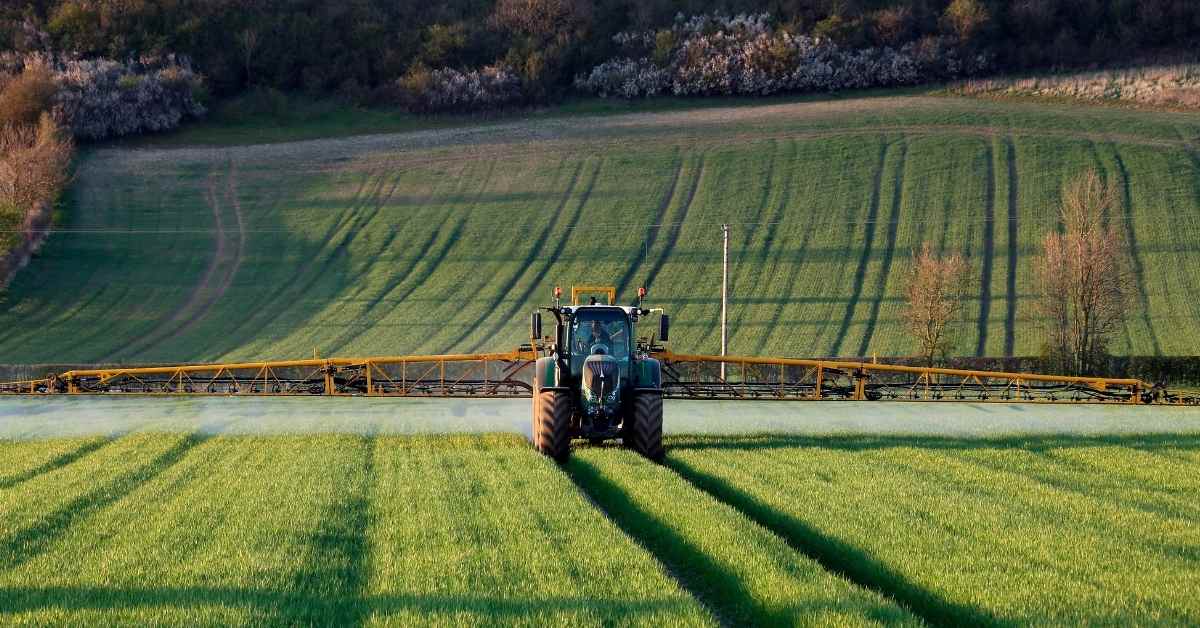
The warning comes as Danish farms race through the July and August harvest window. According to If Forsikring, many summer accidents on farms involve injuries to hands, arms and legs, a seasonal pattern the insurer highlighted in a press release picked up by TV 2 Nord this week. The release focuses on when and how injuries happen, but stops short of examining who is getting hurt.
Research from occupational health institutions and Arbejdstilsynet indicates that foreign workers may be over-represented in agricultural accidents. According to Statistics Denmark employment data by branch and origin, workers with non-Danish backgrounds account for roughly 22 to 25 percent of employment in agriculture, forestry and fisheries, a share that has grown from around 15 percent a decade ago. Integrated accident breakdowns by worker origin are not published in headline StatBank tables or official press releases, meaning the full picture remains difficult to establish from public data alone.
Machines, language barriers and tight margins
Agriculture carries a significantly higher accident rate than the Danish average. According to a report to Folketinget by Beskæftigelsesministeriet, the overall Danish labour market recorded 159 workplace accidents per 10,000 employed in 2020. Arbejdstilsynet data show that agricultural branches consistently record higher rates than that national figure.
Eurostat data support the broader concern. According to Eurostat comparisons of non-fatal workplace accidents across EU member states, Denmark’s agricultural accident rate is higher than Sweden’s and closer to Germany’s, despite comparable levels of mechanisation. This pattern points to enforcement gaps rather than outdated equipment.
Many agricultural injuries involve hands, arms and legs, and a significant share are linked to machinery operation and maintenance, including the common but dangerous task of clearing blockages in running combines or augers. Arbejdstilsynet and occupational health researchers have noted that foreign employees in agriculture are often hired for short periods where safety training and induction can be limited, and where language barriers raise the risk of errors and misunderstandings.
For internationals living in Denmark and working on farms, that means elevated risk combined with complex access to guidance, compensation and rehabilitation. Residence status, work permits and insurance coverage are often tied to a specific employer, leaving little room to push back on unsafe conditions.
A targeted enforcement push this summer
The immediate trigger for this week’s coverage is the insurance company’s seasonal warning. Behind it lies a broader policy shift. Arbejdstilsynet uses a risk-based inspection strategy, and agriculture is among the high-risk sectors identified in ministry material, given its small scattered employers and elevated accident rate.
Agricultural enterprises using seasonal labour and operating large machinery during harvest now face unannounced checks focused on machinery guarding, safe access to equipment and compliance with working-time rules. According to Arbejdstilsynet, agriculture receives a disproportionate share of targeted inspections relative to its share of total employment.

In parallel, the Danish government has made adjustments to work permit schemes for non-EU nationals. According to SIRI, the Danish Agency for International Recruitment and Integration, existing schemes such as the Pay Limit Scheme require that salary and conditions match those customary under Danish collective agreements. Agricultural employers, many of whom operate outside union frameworks, have raised concerns about administrative burden during the busiest weeks of the year.
The National Research Centre for the Working Environment has linked the most serious accidents to sectors that combine heavy machinery, shifting weather and time pressure. Agriculture fits that profile. Trade unions, particularly 3F, have called for clear rules, inspections and safety information in languages that foreign workers understand.
What foreign farm workers can do now
Practical protection starts with legal employment and proper registration. Non-EU citizens need a valid residence and work permit before arrival. EU, EEA and Swiss nationals must register under EU residence rules. Once in Denmark, obtaining a CPR number and registering with the health system is usually necessary for public healthcare access and for any future process involving Arbejdsskadestyrelsen, the workers’ compensation board.

Workers should verify whether their employer carries occupational accident insurance and under what conditions they are covered. Seasonal contracts sometimes rely on minimum statutory coverage. Others include more generous schemes via collective agreements. Because safety materials and accident-reporting procedures are typically in Danish, internationals can seek help from International Citizen Service centres in Copenhagen, Aarhus, Odense and Aalborg. SIRI operates an English call centre at +45 72 14 20 00.
In case of unsafe conditions or after an accident, workers can contact Arbejdstilsynet directly by phone or online. Trade unions, especially 3F, often provide guidance and sometimes legal support in English or other languages. Inspection guidelines emphasise that foreign workers must be able to understand safety instructions, and that employers should document training in machinery risk, manual handling and fall protection.

Climate-driven volatility in harvest timing adds another layer of pressure. Sudden windows of dry weather compress the harvest into shorter periods, increasing overtime and the temptation to skip safety steps. Researchers at the National Research Centre for the Working Environment have raised concerns about climate adaptation as a growing factor in agricultural workplace safety. For now, the message to foreign workers is straightforward: know your rights, demand training in a language you understand, and use the English-language public services that exist to help you navigate the Danish system before an accident happens.