An eye specialist at Rigshospitalet Glostrup is warning people in Denmark not to look at Wednesday evening’s partial solar eclipse without certified eclipse glasses.
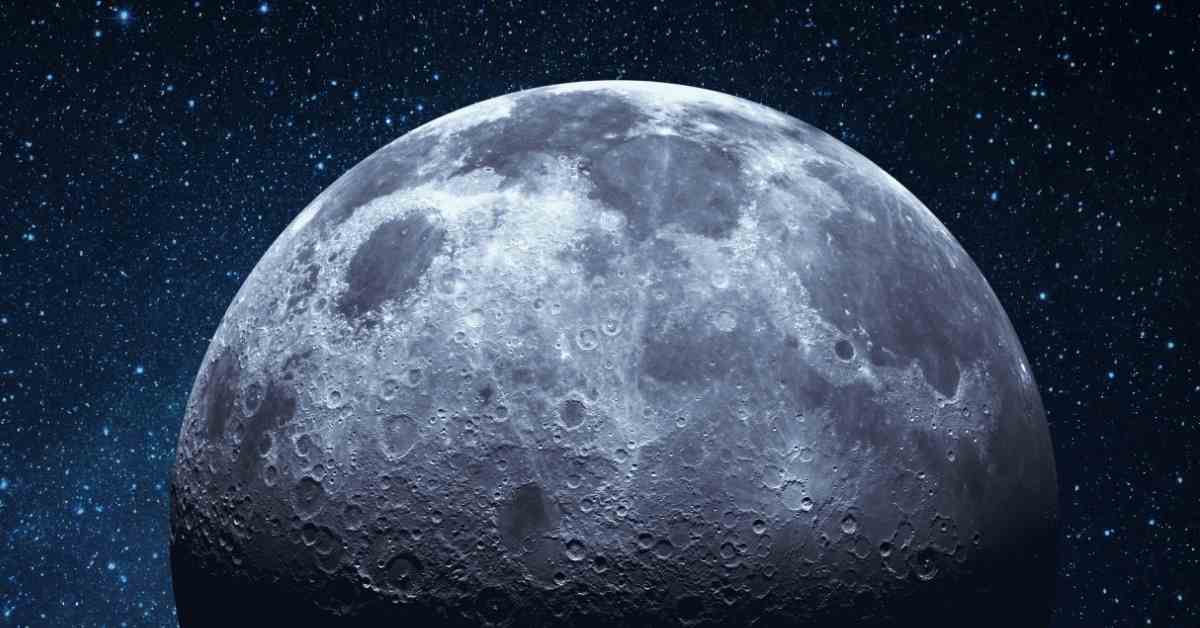
The Moon will cover up to 88 percent of the Sun over Denmark on the evening of August 12, DR reports. The warning comes from Rune Salling Holmbjørn, chief physician in the department of eye diseases at Rigshospitalet Glostrup.
According to Holmbjørn, the Sun’s light stays intense enough to burn the retina in a matter of seconds, even when the Moon covers most of it. He told DR that looking up without protection can cause permanent damage to vision.
What an eclipse eye injury looks like
An eye injury caused by a solar eclipse typically leaves a blind spot in the center of the visual field, DR reports. That can mean blurred vision and, in the worst cases, complete blindness. The effect may last from a few weeks to the rest of a person’s life.

Holmbjørn notes that the damage is not felt while it happens. It can take from a few hours to several days before a person notices that their sight has changed. During an eclipse, he adds, it is possible to stare directly at the Sun for several minutes without being dazzled, which is where the risk arises.
Ordinary sunglasses are not enough, per Holmbjørn. He says they are designed for comfort in bright conditions and are far too weak for direct viewing of the Sun. Homemade filters are also unsuitable, and he recommends only CE-marked eclipse glasses carrying the ISO 12312-2 standard.
Anyone with eclipse glasses left over from an earlier eclipse should buy new ones, Holmbjørn says. The solar filter loses its ability to block light over time. Denmark’s public health system treats retinal injuries, but the damage is often irreversible.
What space agencies say
The guidance matches international standards. NASA states that the only safe way to view a partial eclipse directly is through safe solar-viewing glasses or a handheld solar viewer, and that regular sunglasses are not safe. NASA adds that unaided viewing is safe only during totality, which will not occur in Denmark.
The American Astronomical Society confirms ISO 12312-2 as the standard for solar viewers and describes how to check whether glasses meet it. The European Space Agency’s CESAR program states that safe glasses should display the ISO 12312-2 reference and, where applicable, the CE mark.
The immediate trigger for the warning is the eclipse itself, which is visible from Denmark this evening. As DR frames it, the viewing window is brief, while an eye injury can be permanent.