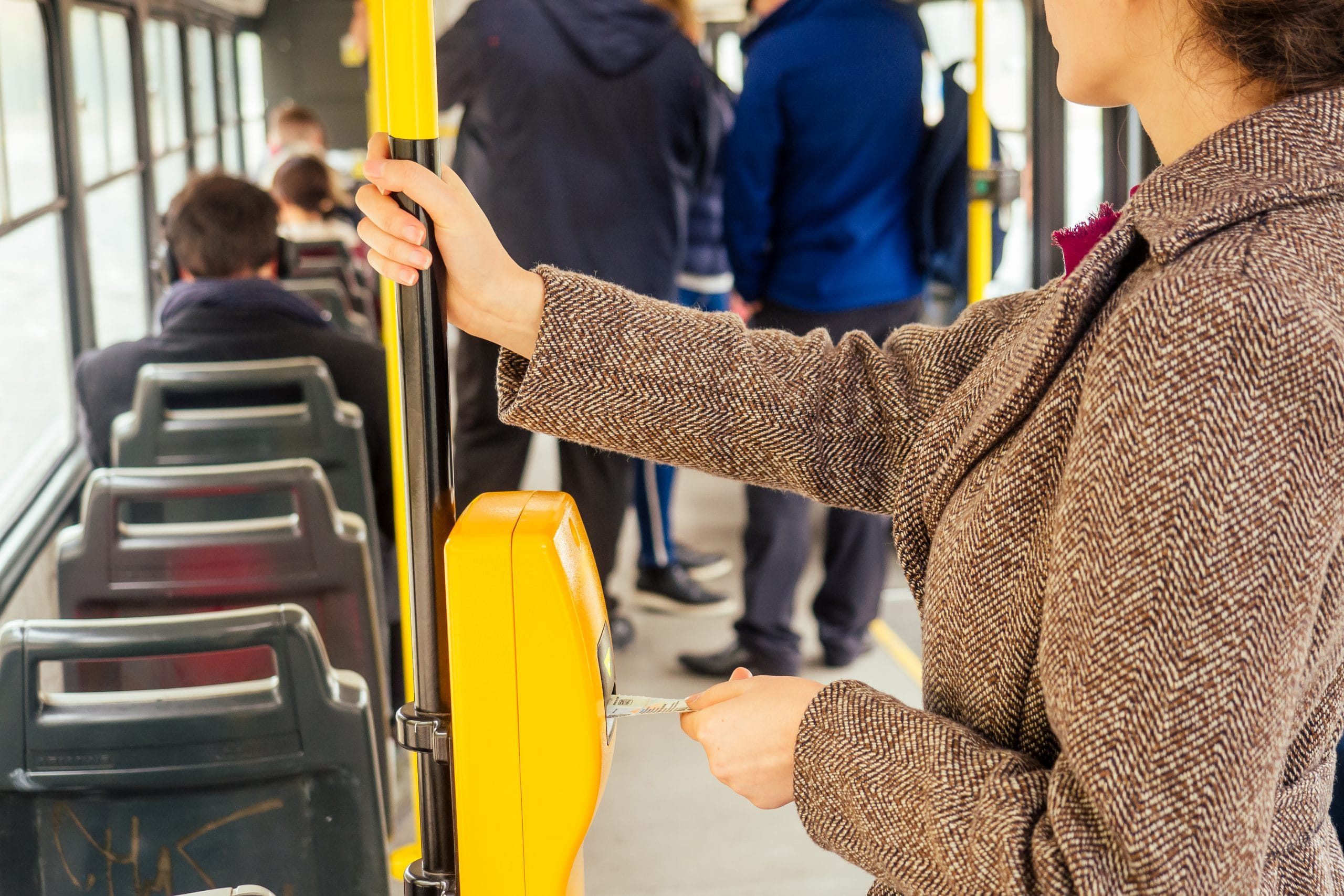
Denmark’s transition from physical travel cards to a smartphone app has left elderly passengers confused and anxious about their ability to use public transport. Critics say the company behind the new system failed to clearly communicate that a physical card option would still be available.
Communication Failure Sparks Concern
The company responsible for Denmark’s public transport payment system is facing sharp criticism for how it has handled the transition away from the traditional blue and white Rejsekort card. Rejsekort & Rejseplan has spent months promoting a new smartphone app while failing to adequately inform passengers that a physical card option would remain available.
The confusion has been particularly acute among older Danes. Many believed they would no longer be able to use buses and trains if they did not own a smartphone or know how to use an app. This misunderstanding has created significant anxiety for a vulnerable group of passengers who rely on Copenhagen public transport for their daily lives.
Marketing Campaign Creates Confusion
The marketing push for the new Rejsekort app began in earnest as the company prepared to phase out the old card system in May. Advertisements emphasized the digital solution while plastic covers appeared over the familiar card readers at stations and bus stops. For many elderly passengers, these changes suggested that physical cards were being eliminated entirely.
Louise Kambjerre Scheel, a senior consultant at Ældre Sagen, says the information about alternative options came far too late. She notes that the company should have clarified the availability of physical cards at the same time it announced the app launch. The absence of this crucial detail left many older people worried about losing their independence and mobility.
Organizations Voice Strong Criticism
Multiple advocacy groups have expressed frustration with the rollout. Danske Ældreråd reports that elderly members genuinely feared they would be unable to board buses or trains without a smartphone. Inger Møller Nielsen, the organization’s chair, says this uncertainty caused real distress among older passengers who depend on public transport.
The issue has attracted attention beyond advocacy groups. The consumer ombudsman opened an investigation after complaints that passengers felt pressured to adopt the digital solution. Media coverage in Politiken highlighted the problem, with experts pointing to the campaign as a potential case of misleading marketing practices.
The Basiskort Solution Arrives
Rejsekort & Rejseplan has now launched the Basiskort, a physical card designed to serve passengers who cannot or prefer not to use smartphone apps. The card functions much like the old Rejsekort system, requiring users to check in when starting a journey and check out when finishing.
How the New Card Works
The Basiskort operates on familiar principles for anyone who used the previous card system. Passengers must check in at the start of their journey and whenever they change transport modes. They also need to check out when their trip ends. The system calculates the fare based on the distance traveled and the zones crossed.
Payment is linked to either a bank account or MobilePay. The fare is automatically deducted after each completed journey. According to Jens Willars, customer director at Rejsekort & Rejseplan, the price remains the same whether passengers use the Basiskort or the smartphone app.
Company Defends Timeline
Willars acknowledges that creating anxiety among passengers was never the intention. However, he defends the decision to delay announcing the Basiskort until it was ready for launch. The company did not want to market a product that was not yet available for purchase, he explains.
The development of the Basiskort reportedly involved consultations with civil society and senior organizations. Despite this collaboration, the gap between the app’s promotion and the card’s announcement clearly caused confusion. The company is now working to spread awareness about the physical alternative.
Context of a Troubled System
The transition away from the old Rejsekort reflects longstanding problems with the system. First introduced between 2008 and 2011, the card faced criticism almost from the start. Technical glitches, pricing errors, and user mistakes plagued the system throughout its existence.
History of Technical Problems
Early adoption saw rapid growth, with around 2 million active cards by 2016 covering roughly 70 percent of public transport users. However, persistent issues undermined confidence in the system. Passengers frequently forgot to check out, resulting in maximum fare charges and penalties of 50 kroner.
In 2014 alone, more than 816,000 instances of forgotten check outs occurred between January and November. Complaints flooded in, with 43,000 filed in mid 2014. Problems included the lack of receipts, higher prices for certain trips compared to alternative payment methods, and confusion about fare calculations.
Why the System Is Changing
The decision to phase out the physical Rejsekort stems from technological obsolescence. The infrastructure supporting the old cards has become expensive to maintain. Company officials determined that investing in a new mobile based system made more financial sense than continuing to operate aging equipment.
The shift aligns with broader trends in European public transport toward digital ticketing solutions. Denmark joins other countries in pushing mobile first approaches while attempting to maintain options for passengers without smartphones. The transition aims to reduce costs, improve user experience, and modernize the overall system.
Implications for Vulnerable Groups
The controversy highlights ongoing challenges in making public services accessible to all demographics. While digital solutions offer convenience for many, they risk excluding those who lack access to or comfort with technology.
Accessibility Concerns Persist
Advocacy organizations have long raised concerns about how transport payment systems affect elderly and disabled passengers. Past criticism focused on issues like the system’s complexity for visually impaired users and confusing pricing structures for pensioners. The current situation adds another layer of accessibility problems.
Some elderly passengers have discovered workarounds to navigate the changing system, but these solutions require insider knowledge. The need for such informal strategies points to gaps in official communication and planning. Organizations argue that inclusive design should consider all users from the outset, not as an afterthought.
Pricing Disparities Add to Frustration
Historical problems with the Rejsekort included pricing discrepancies that particularly affected pensioners. Some trips cost significantly more on the card system than through alternative payment methods. These issues stemmed from different fare calculation approaches, with Rejsekort using straight line distance while other systems relied on zone segments.
Although the new app promises to address some transparency issues, the underlying pricing complexity remains. Until the Basiskort became available, elderly passengers without smartphones faced potential exclusion from public transport or pressure to adopt unfamiliar technology. The delayed communication about physical alternatives compounded existing frustrations with the system.
Sources and References
The Danish Dream: Copenhagen Public Transport Guide
The Danish Dream: Best Transport Apps in Denmark for Foreigners
DR: Ældre er blevet utrygge ved ikke at kunne komme med bussen
Rejsekort: Official Website
Fairtiq: Denmark’s Transition to Mobile First Public Transport
Wikipedia: Rejsekort
Politiken: Coverage of Rejsekort Issues
Copenhagen Post: Rejsekort App Announcement
Journalisten: Rejsekort Campaign Criticism