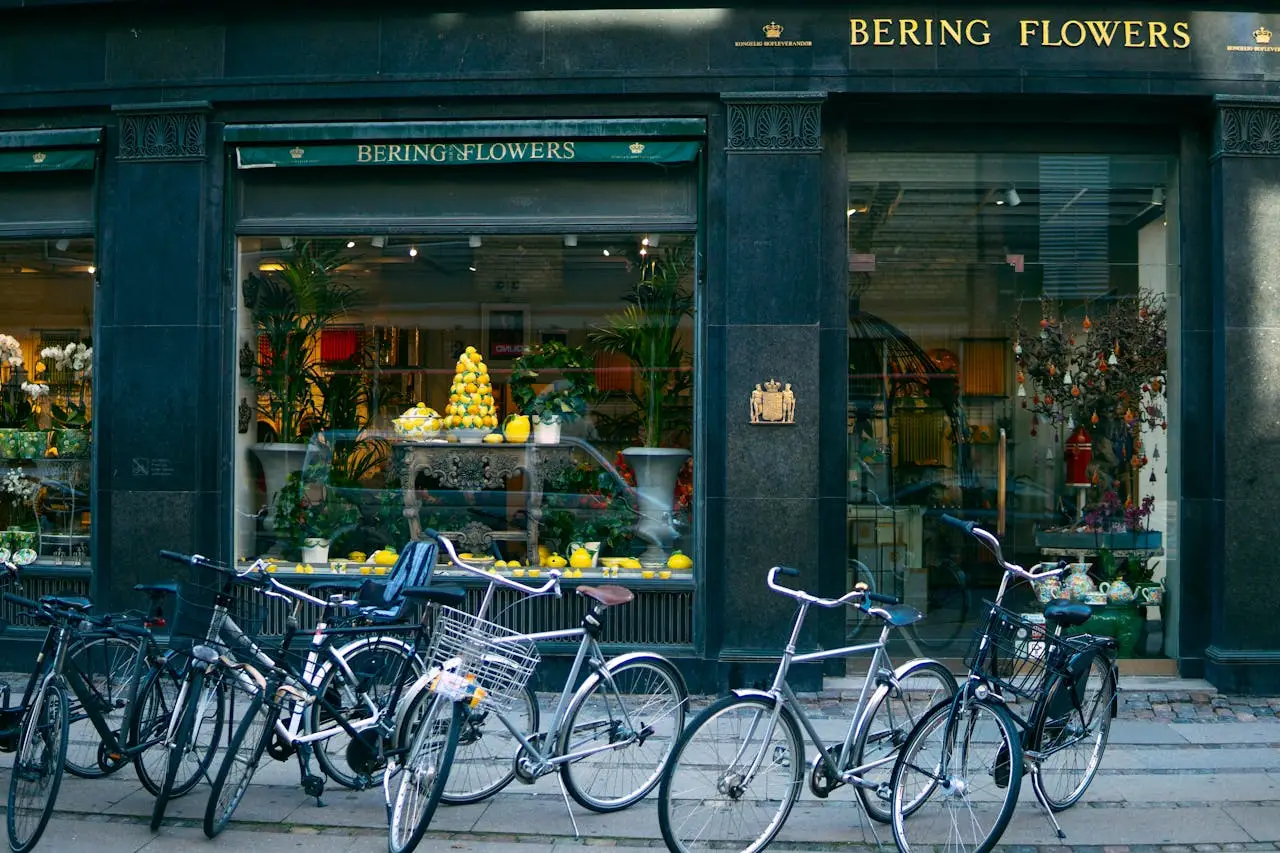
Plastic flowers are booming as Mother’s Day gifts in Denmark, but the shift from imported cut flowers to artificial alternatives may solve one environmental problem while creating another.
I’ve lived in Denmark long enough to watch this country wrestle with its eco-consciousness in real time. This year, the Mother’s Day flower dilemma feels particularly acute. Denmark imports around 160,000 tons of cut flowers annually, many tied to holidays like today. Those blooms from Kenya, Ecuador, and the Netherlands carry hefty carbon footprints. A single bouquet can generate up to 10 kilograms of CO2 emissions from air transport alone.
Environmental groups have spent years urging Danes to skip the traditional gift. WWF and Dansk Natur have run campaigns highlighting the pesticide residues often found on imported flowers. According to Fødevarestyrelsen, roughly 20% of tested flower imports exceeded EU pesticide limits in 2025. The message has landed. Consumers are looking for alternatives.
The Plastic Solution That Isn’t
Enter artificial flowers. As reported by DR, plastic blooms are experiencing a surge in popularity. Sales jumped 25% in the second quarter of 2026 compared to the same period last year, according to Dansk Detail data. Online searches for “kunstige blomster Mors Dag” spiked 40% week over week.
The appeal is obvious. Faux flowers last indefinitely. They require no water, no sunlight, no fuss. For busy families juggling work and childcare, they seem like a practical win. I get it. I’ve watched Danish friends struggle with the guilt of buying fresh flowers that wilt within days.
But this solution sidesteps a bigger problem. Mette Bøtcher from Dansk Miljøanalyse noted that while artificial flowers are convenient, Denmark lacks proper recycling systems for the plastic they contain. These bouquets will eventually end up in landfills or incineration plants. Worse, they contribute to microplastic pollution as they degrade.
The Real Green Alternative Grows Slowly
Denmark is actually developing a genuine sustainable option, though it won’t fix this year’s Mother’s Day crunch. Danish farmers applied for subsidies covering 53,800 hectares under the Biodiversitet og Bæredygtighed scheme. That’s up from 21,000 hectares in 2025. The program encourages bee-friendly wildflowers and pollinator habitats on farmland.
This could eventually increase domestic flower supplies for occasions like today. Locally grown means lower transport emissions and fewer pesticide concerns. It also supports biodiversity, which has taken a beating in Danish agriculture over recent decades.
The timing is the catch. Applications closed April 26, 2026. Changes can be made until May 21. But actual flower production takes seasons to establish. This isn’t a quick fix for consumers standing in shops today wondering what to buy.
What Expats Should Know
Living here, you notice how Danish environmental debates often pit perfect against practical. The country wants to lead on climate action. But everyday choices reveal the friction between ideals and convenience. Cut flowers carry carbon guilt. Plastic flowers create waste guilt. Potted plants require effort many mothers working full time may not have.
I’d argue the artificial flower boom shows how partial solutions can backfire. Danes heard the message about imported blooms. They responded by choosing plastic, which Denmark’s waste infrastructure isn’t equipped to handle sustainably. The real answer likely involves shifting cultural expectations entirely. Maybe Mother’s Day doesn’t need flowers at all.
Until then, we’re stuck choosing between carbon emissions from Kenya and microplastics from Chinese factories. Neither feels particularly Danish, if I’m honest.
Sources and References
DR: Sig det med plastik: Kunstige blomster hitter på Mors Dag
The Danish Dream: Denmark’s Favorite Wildflowers to Attract Bees and Pollinators
The Danish Dream: The Vibrant Flowerpot Lamp by Verner Panton
The Danish Dream: Study Reveals Sharp Drop in Full Time Work Among New Mothers