Six major Danish civil society organizations are demanding that Denmark’s new national emergency preparedness plan include formal structures for vulnerable groups—children, elderly, digitally excluded, and those with disabilities—warning that current crisis planning leaves too many behind.
Denmark’s largest civil society organizations have released a joint proposal calling for a “total preparedness for everyone in society.” The timing is pointed. Denmark is in the middle of building what the government calls a total preparedness system, complete with a 1.2 billion kroner emergency package for 2026. But according to Ældre Sagen, Red Barnet, Røde Kors, Dansk Flygtningehjælp, Beredskabsforbundet, and Børns Vilkår, the system is being designed for people who can handle themselves. Not for everyone else.
As reported by Ritzau, the organizations are pushing eight concrete recommendations, including formalizing civil society’s role in emergency law, establishing a national civil society crisis platform, and creating voluntary support points in all municipalities. The backdrop is clear. Corona, floods, rising living costs, and the reception of Ukrainian refugees exposed serious gaps. Civil society stepped in every time. Yet the system still treats volunteers as backup, not capacity.

The Three Day Problem
The Danish government now advises citizens to be self sufficient for three days in a crisis. Stock water, medicine, batteries, cash. Have a hand crank radio. The advice appears on totalberedskab.dk and in pamphlets sent to every household. It sounds reasonable until you consider who cannot comply.
People with disabilities have been vocal about being forgotten. Danske Handicaporganisationer says there are no specific plans for the disability sector. No one knows what to do when the power goes out and a respirator stops. When home care doesn’t arrive. When evacuation routes are inaccessible. In September 2024, the organization’s chair told DR: “There are no plans for the disability area. No one knows what we should do.”
A survey from Det Centrale Handicapråd last autumn found that only about one fifth of municipal disability councils had been involved in local emergency planning. That’s not a gap. That’s a system failure. Around 30 percent of Danes live with some form of disability. You cannot call it total preparedness if a third of the population is an afterthought.
Who Is Responsible When the Crisis Hits
The Danish system divides responsibility. The state sets the framework and funds the package. Municipalities and regions handle the actual planning, from medication stockpiles to evacuation. Private providers run many disability housing facilities, home care services, and equipment supplies. But the emergency preparedness law does not explicitly mention people with disabilities in disaster situations. There are no binding guidelines across government levels.
A civil society report on Denmark’s compliance with the UN Convention on the Rights of Persons with Disabilities concluded that Denmark does not fully meet its obligations. Article 11 of the convention requires states to protect people with disabilities in situations of risk and humanitarian emergencies. The report found no specific guidelines for municipal rescue services, no systematic training, and information materials that are not sufficiently accessible. The Ministry for Social Security and Preparedness, along with KL and Danske Regioner, issued joint recommendations in late 2025 for planning for vulnerable citizens. But recommendations are not requirements. And local implementation remains uneven.
Civil Society as Structure Not Sentiment
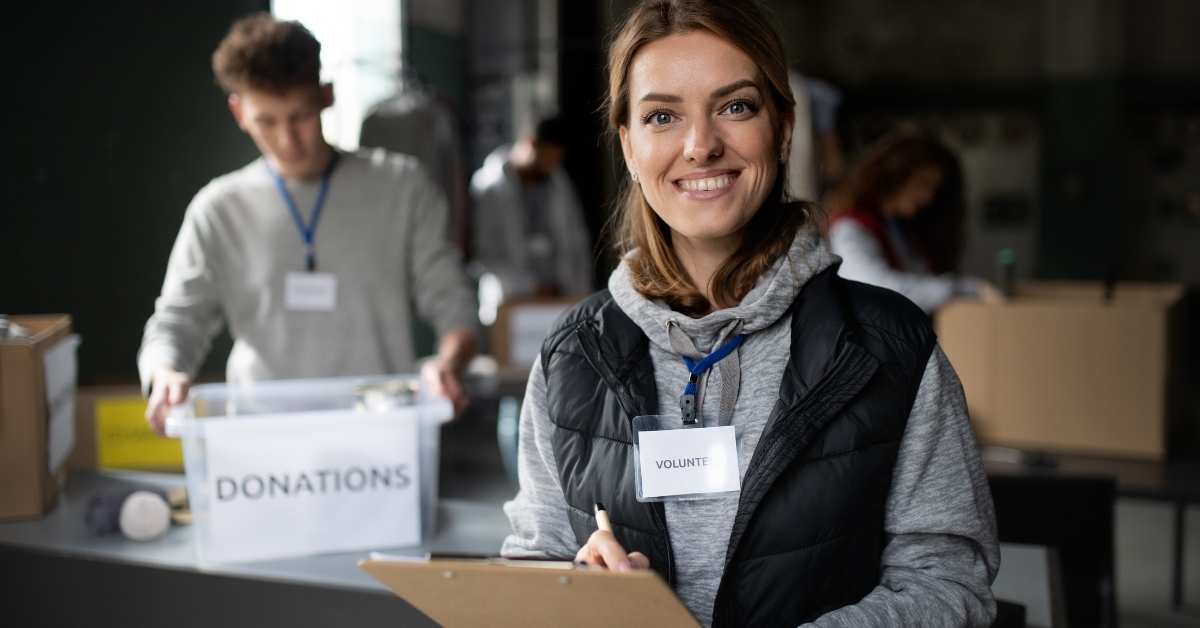
The six organizations behind the new proposal are not asking to be consulted. They are asking to be integrated. They want fixed preparedness agreements between authorities and civil society organizations. Long term financing models. Systematic inclusion in drills and planning. Voluntary support and safety points in every municipality.
“Civil society is an important capacity, not an ad hoc reserve,” the proposal states. Anders Ladekarl, secretary general of Røde Kors, put it plainly: “We have decades of experience building strong, professional, and robust volunteer efforts. That experience and those competencies are absolutely critical when we need to create a coherent total preparedness in Denmark. Let’s get started.”
Bjarne Hastrup from Ældre Sagen pointed to the corona pandemic as proof of the cracks. Many elderly and digitally weak Danes struggled to access vital information. Future preparedness must assume different starting points for managing a crisis. Not everyone has a smartphone, a stable internet connection, or fluency in Danish.
What Happens Next
The organizations are now inviting the government to dialogue. Minister for Social Security and Preparedness Lisbeth Bech Nielsen has said that total preparedness is only total if everyone is included. Civil society plays a decisive role, she stated. The question is whether that rhetoric translates into law, budgets, and binding structures. Denmark faces what the Agency for Social Security calls the most serious and complex risk and threat picture since World War II. Cyber attacks, energy crises, pandemics, extreme weather, conflicts. The government is investing heavily in infrastructure and capacity. That is necessary. But preparedness that protects power grids and not people who depend on power to breathe is not total. It is selective.
I have lived in Denmark long enough to know that the system works well for those who fit its assumptions. Mobile, resourceful, digitally literate, physically able. The rest are expected to manage or hope someone remembers them. This proposal is a test. If Denmark is serious about total preparedness, it will formalize civil society, fund it properly, and design for the most vulnerable first. If not, the next crisis will once again reveal who was planned for and who was not.
Sources and References
Ritzau: Organisationer: Danmark har brug for et totalberedskab for alle
The Danish Dream: Bakken accident: 1 in 15 inspections finds emergency fails
The Danish Dream: Deepfake ads in Denmark trick elderly into buying fake medicine
The Danish Dream: Abundance of IT jobs in Denmark threatens cybersecurity