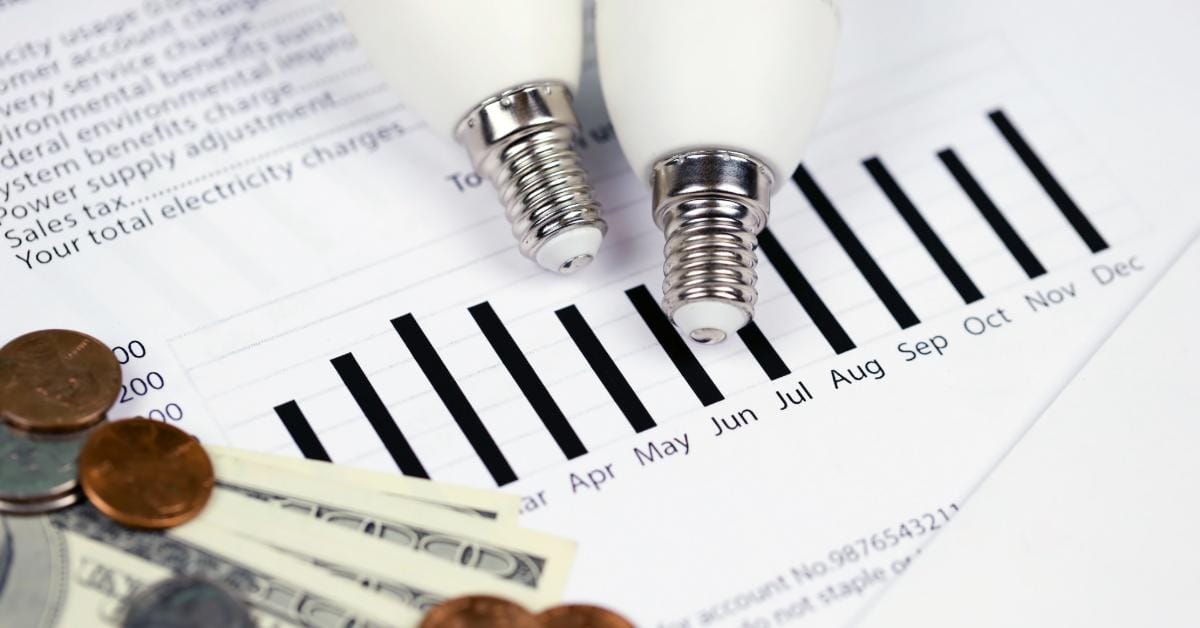
Denmark’s electricity market is swinging wildly between extremes: prices hit 5 kr. per kWh Tuesday evening, yet forecasts suggest nearly free power just days later as wind and solar flood the grid. The rollercoaster is real. On the evening of June 30, households in Denmark are paying around 5 kr. per kilowatt hour for electricity, including transport and taxes. That is among the highest summer rates in four years. Yet by Friday, the same kilowatt hour could cost almost nothing, perhaps even dropping into negative territory on the wholesale market. I have watched Denmark’s energy system evolve over years, and these swings feel more pronounced than ever. The gap between the most expensive and cheapest hours on a single day can be a factor of five. Tuesday’s peak shows what happens when the wind dies, temperatures rise, and everyone turns on the stove at once. Friday’s forecast shows the opposite: blustery weather, bright sun, and low overnight demand pushing prices toward zero. 


What Drives the Extremes
Energi Fyn explains that spot prices depend on a complex mix of weather, production, and consumption across Europe. When wind production is low and demand peaks in the evening hours, expensive gas plants set the marginal price. That is exactly what happened on June 30. When it blows hard and solar panels produce during midday or overnight, renewables flood the system and prices collapse. Christian Drejer, commercial director at Energi Fyn, notes that the forecast for Friday shows the raw spot price dipping below zero in several hours. Including transport and taxes, consumers could pay as little as 10 to 20 øre per kWh. The caveat is simple: weather changes fast, and so does the power market.Record Low Averages, Record High Peaks
Despite Tuesday’s spike, the bigger picture shows falling prices. In 2024, the average wholesale price was around 53 øre per kWh, the lowest in four years. That same year saw record numbers of hours with negative prices: 14.5 days in West Denmark, 11.5 in the east. Yet consumers rarely see those extremes reflected in their bills because of fixed network tariffs and taxes. For a household using 4,000 kWh annually, the all-in price averaged around 2.49 kr. per kWh in 2025, down from 2.73 kr. in 2024. The gap between wholesale and retail price is shrinking, especially after Parliament cut electricity tax to the EU minimum of 0.8 øre per kWh from January 2026. That decision makes cheap hours cheaper and expensive hours more visible.
Nearly Free Power? Not for Everyone
The phrase “næsten gratis strøm” is marketing language. Even when the spot price goes negative, households still pay for grid access, taxes, and VAT. In practice, Friday’s cheapest hours might cost a few tens of øre per kilowatt hour, not zero. That is still a bargain compared to Tuesday evening, but calling it “free” stretches the truth. There is also a fairness problem. Homeowners with electric cars, heat pumps, and smart home systems can shift consumption to cheap hours and pocket real savings. Renters in small apartments, elderly people without tech, and low income households cannot. They cook dinner when they get home, regardless of the price, and pay the 5 kr. rate because they have no other option.Timing Is Everything
For those who can adapt, the rewards are significant. Electricity is typically cheapest between 01:00 and 04:00, and again from 11:00 to 14:00, especially on weekends. The most expensive hours run from 17:00 to 21:00 on weekdays. Apps from providers like OK and NRGi now show live hourly prices, making it easier to delay the dishwasher or charge the car overnight. But this system assumes flexibility. It assumes you have devices worth timing, and the freedom to wait. Many Danes do not. That gap is a blind spot in the current policy mix, which focuses on market signals rather than social equity.The Political Backdrop
Denmark’s Parliament has lowered electricity taxes twice in recent years, first as emergency relief during the 2022 energy crisis and then permanently from 2026. The permanent cut to 0.8 øre per kWh was designed to support electrification of heating and transport, making heat pumps and electric vehicles more attractive. It also makes the wholesale price more visible to consumers, which in theory encourages flexible behavior. At the EU level, governments have debated electricity market reform since the energy crisis. The goal is to shield consumers from sudden price shocks tied to gas markets while preserving incentives for demand flexibility. Denmark has generally supported market based pricing but also pushed for better protections for vulnerable households. So far, those protections remain limited.Denmark’s Wind Power Legacy
The wild swings in electricity prices are a direct result of Denmark’s energy transition. With wind and solar now dominating production, supply fluctuates hour by hour. When the wind blows, prices crash. When it stops, they soar. This is the reality of a renewable heavy grid, and Denmark is further along that path than most countries. For expats living here, the system can feel confusing and unfair. You are told electricity is cheap, then hit with a bill that says otherwise. The truth is both things are happening at once: average prices have dropped, but peak hour prices remain punishing for anyone who cannot shift their routine.What Comes Next
The forecast for early July suggests more of the same: bluster, sun, and low overnight prices. If you can charge your car or run your appliances at 03:00, you will save money. If you cannot, you will keep paying peak rates. The electricity tax cut helps everyone a little, but it does not solve the core problem: a system that rewards flexibility punishes rigidity, and ignores the people stuck in the middle. I have seen Denmark pride itself on energy innovation, and rightly so. But as the market becomes more volatile, the question is whether the benefits are shared fairly. Right now, they are not. Tuesday’s 5 kr. rate and Friday’s near zero rate tell the same story: the future of electricity is cheap on average and wildly unequal in practice.Sources and References
The Danish Dream: Denmark’s new strategy for offshore wind energy The Danish Dream: Johannes Juul wind energy technology The Danish Dream: Henrik Stiesdal wind energy revolutionary Ritzau: Juni slutter med høj elpris og juli byder på næsten gratis strøm