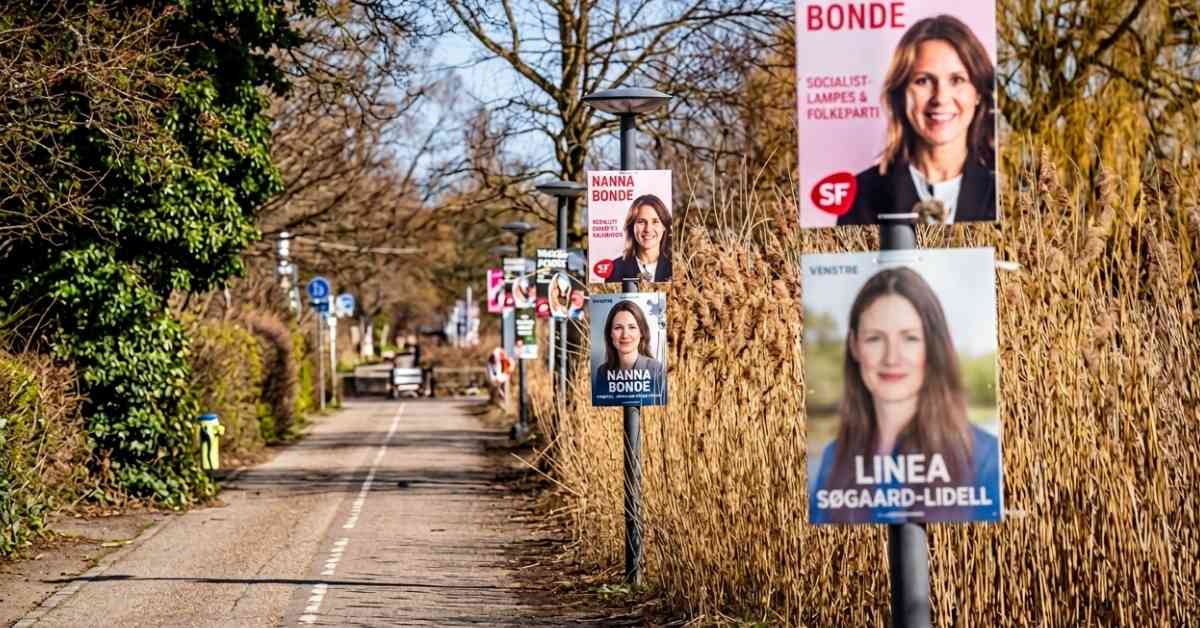
Denmark’s government talks have hit a critical phase as coalition partners wrestle with five fundamental questions that will define the next administration. The negotiations expose familiar fault lines in Danish politics: who pays, who cuts, and whether this country can still afford the welfare model it keeps promising voters.
I’ve watched enough Danish coalition dramas to know the pattern. After every election comes the ritual dance of compromise, where campaign promises meet budget realities and parties discover that governing requires harder choices than opposition ever did. This round feels particularly tense.
The core tension is simple. Denmark just held an election on March 24, and now the hard work begins. A government comprising Socialdemokratiet, Venstre, and Moderaterne has taken shape, but the negotiations that got them there weren’t smooth. When Liberal Alliance’s Alex Vanopslagh floated the idea of a government spanning 96 mandates from Radikale Venstre to Dansk Folkeparti, he wasn’t just making noise. He was pointing to the fundamental instability in the current setup.
The Five Questions That Matter
The first question is always money. Where will Denmark find the billions needed to fund competing promises on defense, healthcare, and climate? Every party arrived at the table with shopping lists. Most will leave disappointed. The SVM government that preceded this one managed to strike 201 political agreements by December 2025, which sounds impressive until you realize it mostly means kicking difficult decisions down the road.
The second question concerns welfare. Denmark built its reputation on a generous model that guaranteed security from cradle to grave. That model costs money Denmark increasingly struggles to find. The demographic math doesn’t work anymore. Fewer workers supporting more retirees means something has to give, but no politician wants to be the one who admits it.
Immigration policy represents the third pressure point. This issue has defined Danish politics for two decades, and it’s not going away. The parties in this coalition don’t share the same instincts on who gets to stay and who doesn’t, which makes for awkward compromising when the TV cameras leave the room.
Defense, Climate, and Political Survival
Defense spending is question four, and it’s gotten more urgent as European security deteriorates. Denmark committed to NATO targets, but meeting them requires cuts elsewhere or tax increases nobody campaigned on. The gap between what Denmark promised allies and what it budgeted at home creates uncomfortable choices.
Climate policy rounds out the five. Denmark loves its green reputation, but the transition from fossil fuels to renewable energy doesn’t fund itself. Farmers, industry, and ordinary Danes all face costs they didn’t sign up for, and the political backlash builds with every new regulation.
What This Means for Denmark
I’ve covered enough of these negotiations to spot the warning signs. When politicians talk about “broad cooperation” and “responsible solutions,” they usually mean nobody got what they wanted and everyone’s pretending that’s statesmanship. The 96-mandate coalition idea that Vanopslagh floated suggests even the participants doubt this government’s stability.
The real test comes when governing collides with the next opinion poll. Danish coalition governments live or die on their ability to keep partner parties happy while appearing decisive to voters. Those two goals often contradict each other. The SVM government’s 201 agreements in roughly two years suggest a pattern of constant negotiation that exhausts political capital without building lasting solutions.
Denmark faces genuine challenges that require more than tactical maneuvering. The welfare state needs reform. The defense budget needs money. Climate policy needs public support. Immigration needs consensus. But consensus is exactly what Denmark’s fragmented parliament struggles to produce. Living in Denmark means watching politicians promise Nordic cooperation while practicing coalition warfare.
These five questions will define not just this government but Denmark’s trajectory for years. Whether the parties involved can answer them honestly, or just postpone the reckoning again, remains the biggest question of all.
Sources and References
TV2: Nu spidser forhandlingsdramaet til: Her er de fem store spørgsmål