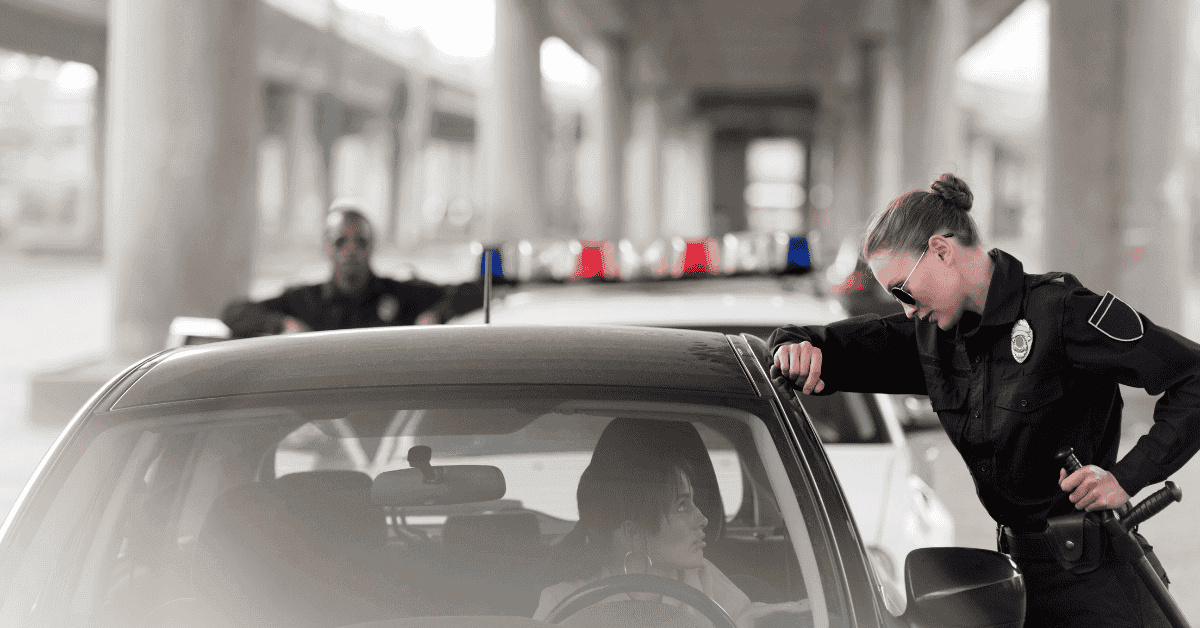
Ten years after Denmark introduced its “temporary” border controls with Germany, commuters and experts say the system has become a symbol rather than an effective security measure.
Daily Frustration for Cross-Border Workers
Every weekday, Morten Heilmann Sørensen drives from his home in Flensburg to his job in southern Denmark. Since 2016, he has carried his passport every time he crosses the border. What was once a simple commute under the Schengen Agreement now comes with checkpoints, white tents, and the occasional stop by Danish police.
Even though he’s rarely asked to show his documents anymore, Sørensen says the control points are a constant reminder of how the open border he grew up with has changed. For locals who move between the two countries daily, the routine border checks make life more complicated and interrupt the sense of free movement that once defined the region.

Border Control Introduced During Refugee Crisis
The Danish government reinstated border checks with Germany on January 4, 2016. The move came during the height of Europe’s refugee crisis, when thousands of migrants entered the EU by land, and some walked on Danish motorways toward Sweden.
Back then, the controls mainly focused on immigration checks. In 2023, however, Denmark changed the purpose of these inspections. Now, the official goal is to combat cross-border crime and terrorism rather than regulate immigration.
Interestingly, while the system has become less visible—cars often drive straight through without stopping—the feeling of restriction remains strong for border residents. The lack of permanent infrastructure and the so-called “temporary” nature of the control have done little to reassure them.
Disagreement Over Its Effectiveness
When the government extended the border control again in late 2023, officials said the measure helped keep Denmark safe by preventing terrorism and organized crime. Justice Minister Peter Hummelgaard argued that the system gives police necessary tools in their fight against smuggling and trafficking.
Yet many experts disagree. They consider the controls largely symbolic, saying police rarely catch serious criminals through simple passport checks at the border. Critics argue that most successful cases come from intelligence and cooperation with German authorities, not from the visible border presence.
Still, official figures show that police have issued more than 23,000 charges related to border operations over the past decade. The government points to these numbers as evidence of success, but experts note that most offenses involve minor cases like possession of small amounts of drugs or unregistered weapons, not major terror arrests.
Life Between Two Countries
Sørensen, who works as a school principal in Tinglev, has lived in Germany for years but remains deeply connected to Denmark. For him, the discussion isn’t just about data or law enforcement; it’s about life across cultures and borders that used to feel united.
Like many others in southern Jutland and northern Germany, he values the everyday freedom of crossing without delay. Even though long lines are now rare, he says that the continued presence of police and tents breaks that sense of normalcy.
Because of that, commuters often describe the border as a “mental barrier” rather than a practical one. It reminds them that even within the Schengen Area, political decisions can change the experience of freedom almost overnight.
A Question of Priorities
The Danish government insists that the temporary checks are here to stay as long as necessary. Officials justify the renewals every six months on security grounds, even as the European Commission has repeatedly expressed concern over prolonged use of internal borders.
For critics, the question is whether the system still serves its intended purpose or has become political symbolism meant to reassure voters rather than protect them.
Meanwhile, for Morten Heilmann Sørensen and thousands like him, the effect is personal. They are reminded daily that what was once open and free now feels conditional.

Sources and References
The Danish Dream: Is Denmark Schengen Country?
The Danish Dream: Best Immigration Lawyers in Denmark for Foreigners
DR: Ti år siden bevægede Morten sig frit: ‘Jeg bliver indskrænket på den frihed, jeg har haft’