Denmark’s parliament is demanding a comprehensive plan for the country’s defence buildup after politicians have spent 356 billion kroner on military equipment without an overarching strategy. A broad coalition now wants a detailed roadmap before investing more billions in the armed forces.
Politicians Question Direction of Military Spending
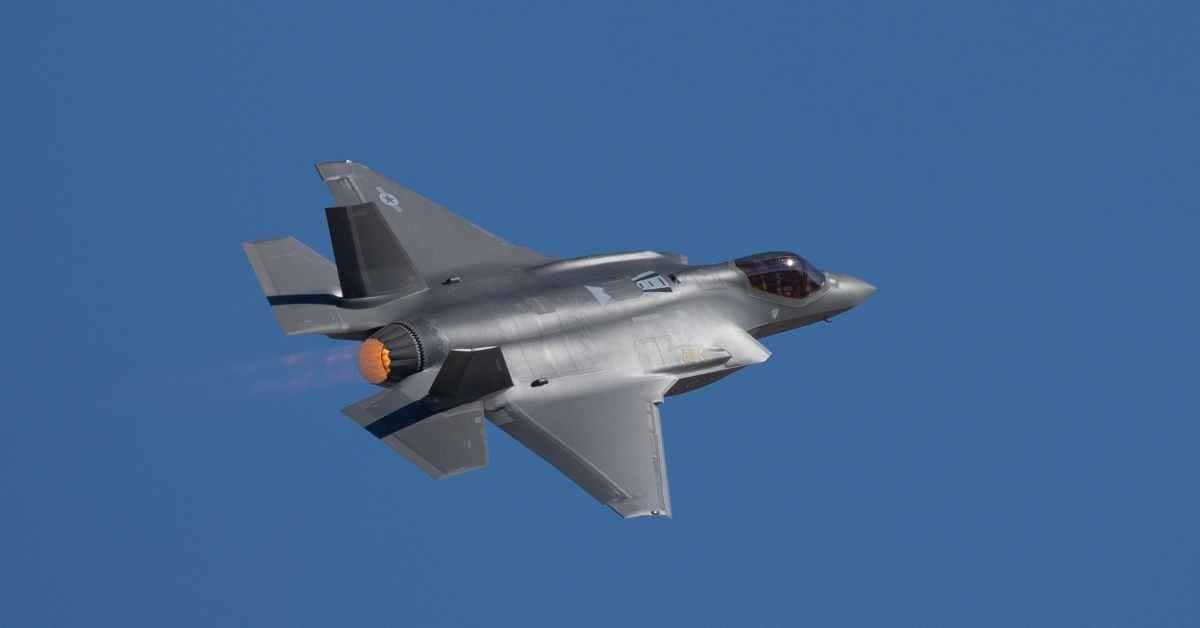
Denmark has invested heavily in military hardware since 2023. The shopping list includes missile defence systems, hundreds of armoured vehicles, additional F-35 fighter jets, and coastal weapons that can strike enemy warships. Yet this massive procurement programme has unfolded without a clear master plan guiding the purchases.
Multiple parties across the political spectrum now say this approach is too haphazard. SF, the Conservatives, Liberal Alliance, Danish People’s Party, and Denmark Democrats are calling for what they term a comprehensive plan. They want clarity on how individual purchases fit into Denmark’s overall defence structure before approving future spending.
Missing Strategic Framework
The criticism centres on the absence of a coherent vision. Carsten Bach from Liberal Alliance argues that while Denmark has met its immediate NATO obligations, the country now needs to look beyond checking items off a list. He acknowledges the purchases were not made blindly, as they fulfilled NATO commitments. However, with most urgent requirements now addressed, he believes Denmark must lift its gaze and determine how to build forward.
The current approach has focused heavily on NATO force goals. These are the specific military units or weapons Denmark must contribute to alliance defence. Politicians have repeatedly cited these goals as justification for procurement decisions. Yet critics argue this method puts the cart before the horse.
Call for Nordic Model
SF’s defence spokesperson wants to see how Norway and Sweden approach defence planning. In those countries, military leadership develops comprehensive plans that give politicians a full picture before they make spending decisions. Anne Valentina Berthelsen says Denmark needs to understand how far it has progressed and what gaps remain, rather than making only ad hoc agreements based on immediate needs.
If such a plan exists within the Defence Command, SF wants to see it before making further commitments. The Conservatives support adopting a system similar to Norway’s, where the defence chief creates a master plan that forms the foundation for political work. Without knowing the defence chief’s vision for Denmark’s military, Joachim Hofmann argues, politicians can only improvise.
Concerns About Building Without Blueprint
The demand for better planning comes from diverse political corners. Denmark Democrats and Danish People’s Party have joined the chorus. The common thread is frustration with making billion-kroner decisions without understanding how they connect to a larger structure.
The Norwegian and Swedish Approach
In Norway, the defence chief prepares comprehensive military recommendations about future structure, capabilities, and priorities. The government uses this advice as input for long-term planning before parliament approves the plan. Sweden follows a similar model, though not all military advice to the government becomes public. The Swedish defence chief creates a planning foundation that combines with other analyses before the government presents proposals to parliament.
Denmark operates differently. Political agreements establish overall financial frameworks and set goals for personnel and equipment. The military advice preceding these agreements varies from one deal to the next. The current defence agreement runs until 2033, with various analyses incorporated along the way. However, politicians lack a detailed master plan to guide decisions during the agreement’s lifetime.
Industry Support for Change
Folk & Sikkerhed, Denmark’s largest umbrella organisation for defence and security actors, welcomes the political demands. Chairman Torben Ørting Jørgensen, a retired rear admiral with leadership experience in both the Danish military and NATO, has long advocated for clearer direction. He describes the current method as jumping from topic to topic and agreement to agreement without seeing the complete picture.
Jørgensen believes the government has taken the easy path by using NATO force goals as a shopping list. While NATO’s strength depends on member nations contributing forces and weapons to collective defence, he argues the foundation must be nations capable of defending themselves. Denmark should build a military that can stand alone until help from allies arrives, rather than only considering what it must deliver to NATO’s shared defence structure.

Government Defence of Current Approach
Government leaders have repeatedly emphasised NATO force goals when explaining defence investments. At a press conference nearly two years ago on strengthening the military, the prime minister, defence minister, and foreign minister all highlighted these obligations. Lars Løkke Rasmussen stated that NATO commitments drove the investment package, reflecting agreed force goals.
Minister Points to Upcoming Strategy
Acting Defence Minister Troels Lund Poulsen rejects suggestions that Denmark lacks direction. In a written response, he states that a comprehensive strategy for the military was being prepared and would have been presented at the next agreement committee meeting before the election intervened. The goal was to create overall perspective and strategic focus at the political level, providing a framework for the defence chief’s complete strategy.
Poulsen argues the five parties demanding a plan are pushing at an open door that only temporarily closed due to the election. He agrees with their thinking about taking a unified approach when work resumes on partial agreements as outlined in the main defence accord. The Social Democrats did not respond to questions about their position on a new comprehensive defence plan.
NATO Article Three Versus Article Five
Most Danes know NATO treaty article five, the mutual defence clause stating an attack on one ally is an attack on all. Fewer know article three, which requires alliance members to work toward self-sufficiency. This article obliges NATO countries to build and maintain their own military capacity to resist attack, including strengthening their defence and cooperating with other members.
Folk & Sikkerhed argues Denmark currently fails to meet this obligation. The organisation contends that focusing exclusively on NATO force goals and what Denmark should contribute to collective defence means washing hands of the fundamental requirement. Without a master plan for building a military that stands on its own, Denmark prepares inadequately for scenarios where allied assistance might be delayed.
Practical Implications of Planning Gap
The absence of comprehensive planning creates concrete problems. Danish People’s Party acknowledges the usefulness of NATO force goals but sees value in a detailed construction plan going forward. Alex Ahrendtsen describes recent work as patching holes and buying what the military lacked. As work continues, he believes a building plan would help, allowing politicians to see what should be in each room rather than building blindly without knowing the whole structure.
Risk of Misallocated Resources
The Conservatives predict Denmark will spend money incorrectly if the current course continues after the election. Joachim Hoffmann notes that present navigation relies only on the intelligence service’s annual threat assessment and NATO requirements. If Denmark guides itself only by NATO force goals regarding what units to field, it prepares for the wrong war, he argues. Force goals update every five years, meaning they are not always current regarding Denmark’s security situation.
This concern reflects broader questions about how Denmark’s defence investments align with actual threats. Multiple parties believe the massive financial commitment deserves more rigorous strategic planning to ensure efficient use of resources. The criticism does not suggest the purchases themselves are wrong, but rather that they should fit within a coherent framework visible to both politicians and the public.
Timing and Election Impact
The demands for better planning come at a pivotal moment. Denmark faces numerous unresolved defence decisions, particularly regarding naval procurement. The defence agenda includes fleet planning and new frigate specifications, among other complex issues. Elections can stall decision-making for approximately three months, creating delays in critical procurement.
Without clarity on operational missions, whether anti-submarine warfare in the North Atlantic, air defence in the Baltic, or other priorities, procurement risks becoming inefficient. The labour-intensive parliamentary coordination process requires consensus among all parties and defence committee members, adding scheduling complexity. These factors make comprehensive planning even more important to avoid wasting limited decision-making windows.
A Personal Take
The parties raising concerns have a valid point that spending 356 billion kroner without a visible master plan seems backwards. Building a defence force should start with understanding what you need to defend against and how all the pieces fit together, much like you would not construct a house by buying materials randomly and hoping they work out. The Norwegian model appears more sensible. On the other hand, I recognise that NATO force goals provided necessary structure during a period when Denmark desperately needed to rebuild neglected capabilities. Sometimes action matters more than perfect planning, especially when security threats are immediate and growing.
Sources and References
The Danish Dream: Denmark Invests in Defence in the Face of Rising Threats
The Danish Dream: Denmark Allocates 120 Billion More for Defence up to 2030
The Danish Dream: The Real Reason Denmark Needs Stronger Defence Strategy Now
DR: Nu stiller flere partier krav til Danmarks oprustning: Det bliver ny forsvarsministers første opgave
FMN: Økonomisk plan: Regeringen øger forsvarsudgifterne markant allerede fra 2026
Forsvaret: Nye kapaciteter for tocifret milliardbeløb leverer på Forsvarschefens ønsker
Altinget: Her er den forsvarspolitiske agenda for 2026