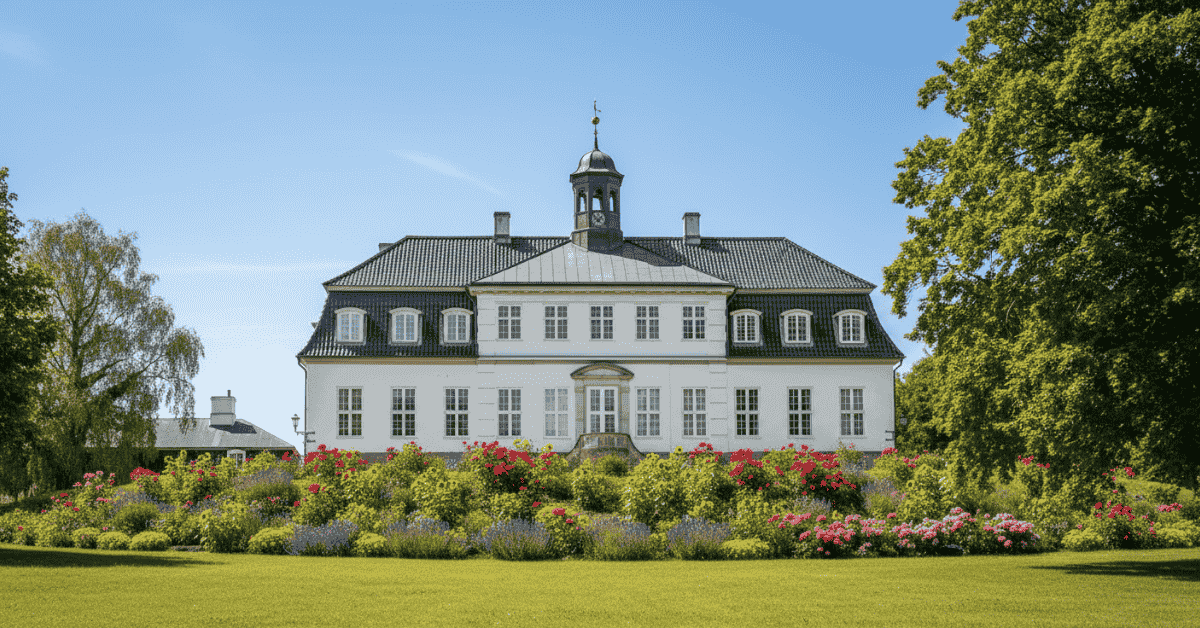
Nestled amidst lush greenery and serene landscapes in the northern suburbs of Copenhagen lies Sorgenfri Palace (Danish: Sorgenfri Slot), a historical gem that offers a captivating glimpse into Denmark’s royal past. Often overshadowed by the more renowned castles across the country, Sorgenfri Palace boasts a unique charm and distinctive history that make it a notable landmark for those seeking to explore Danish heritage beyond the beaten paths. This historical residence serves as a reminder of the opulent lifestyles of Danish royalty while also providing a tranquil retreat within close proximity to the bustling capital city.
- Rich History of Sorgenfri Palace: Sorgenfri Palace was built in 1705. It was originally a summer residence and later became a royal residence, which reflects Denmark’s architectural and cultural evolution over centuries.
- Architectural and Cultural Significance: The palace’s Rococo and Neoclassical design, along with its interior art and furnishings, showcase the opulence and artistic tastes of Danish royalty.
- The Palace Gardens as a Serene Retreat: The gardens feature English-style landscaping, and spans over 16 hectares. The lakes, and historical elements, seres as a peaceful space for visitors to enjoy nature and history.
- Visiting Tips and Accessibility: The gardens are accessible year-round. The best times to visit are in spring and summer. The palace is reachable by train or car from Copenhagen, which makes it an easy day trip destination.
A Richly Layered History of Sorgenfri Palace
Sorgenfri Palace, whose origins stretch back to the 18th century, stands as a testament to Denmark’s architectural and cultural evolution. Constructed in 1705 under the commission of Carl von Ahlefeldt, a Danish nobleman, the palace initially served as a summer residence, embodying the elegance and refinement associated with the nobility of the time. The property was later acquired by King Christian VI in 1730, who recognized its strategic location and potential as a royal residence. Christian VI’s reign was marked by significant developments in architecture and the arts, and his willingness to invest in Sorgenfri Palace was a nod to its significance within the royal estate network.
Sorgenfri Palace underwent extensive renovations in the mid-18th century, orchestrated by the celebrated architect Nicolas-Henri Jardin. Known for his ability to seamlessly blend French Rococo styles with Danish sensibilities, Jardin’s work at Sorgenfri encapsulated the era’s penchant for intricate designs, lavish interiors, and meticulously landscaped gardens. The palace’s design reflects a harmonious integration of opulence and functionality, creating an inviting atmosphere for royalty and guests alike. Over the centuries, the palace has witnessed numerous historical events, including state receptions and family gatherings of the Danish royal family.
Cultural Significance and Architectural Splendor
Sorgenfri Palace is not merely a relic of the past; it represents a living narrative of Danish culture and heritage. The palace’s architecture is an exquisite showcase of Rococo and early Neoclassical styles, featuring a striking balance between ornamental grandeur and understated elegance. The facade of Sorgenfri is characterized by its pale yellow stucco and elegant white trim, which contrasts beautifully with the vivid greens of the surrounding gardens.
Inside, the palace is adorned with magnificent tapestries, period furniture, and art pieces that offer insight into the tastes and lifestyles of Danish royalty. The grand ballroom, with its intricate frescoes and crystal chandeliers, remains a focal point of the palace’s interior, capturing the essence of 18th-century European nobility.

Beyond its architectural allure, Sorgenfri Palace is a crucial component of Denmark’s regal heritage. As a residence that has been home to multiple generations of Danish royals, it reflects the lineage and continuity of the monarchy. The palace grounds have served as a serene retreat, offering solace to members of the royal family and providing a space for contemplation amidst nature’s beauty. Such historical settings enhance the understanding of Danish cultural narratives, illustrating how past and present blend seamlessly.
The Royal Gardens: A Serene Oasis
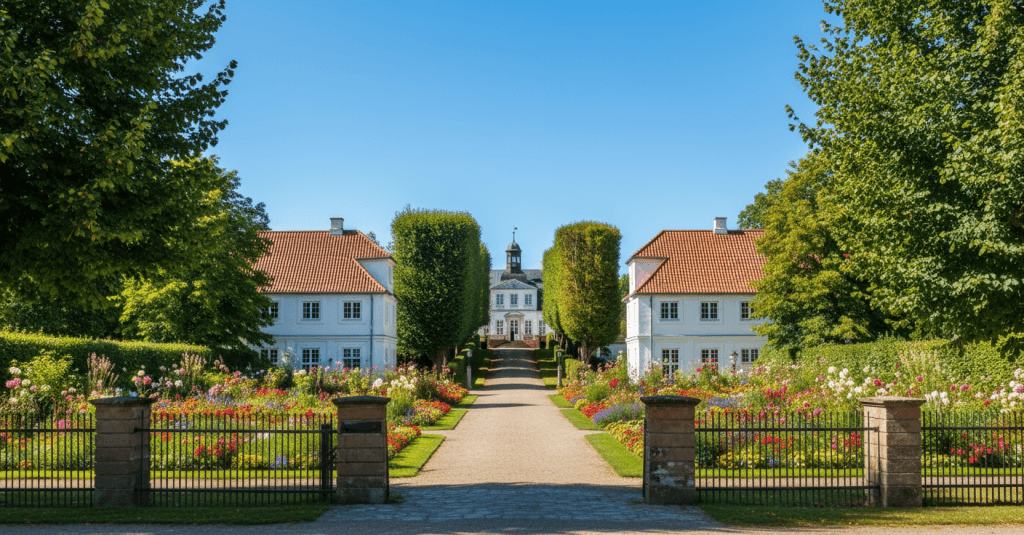
Spanning over 16 hectares, the gardens of Sorgenfri Palace present a picturesque and serene escape, crafted with care to complement the architectural splendor of the main residence. These gardens, originally landscaped in the French formal style, were later transformed into an English-style park, reflecting the evolving tastes over the centuries. Today, visitors can wander through expansive lawns, intricate flowerbeds, and century-old trees, offering a perfect backdrop for leisure and reflection.
The gardens’ design features serene lakes, meandering paths, and charming gazebos, inviting guests to immerse themselves in nature while contemplating the palace’s regal history. This tranquility reinforces Sorgenfri’s status not just as a monument of the past, but as a vibrant component of Denmark’s historical and cultural landscape.
Sorgenfri Palace stands as more than just a stately residence; it encapsulates the essence of Danish history, architecture, and the legacy of the monarchy. Visiting this treasure offers a unique opportunity to journey through time, exploring the stories and traditions that have shaped Denmark’s royal heritage.
Visiting Sorgenfri Palace: A Traveler’s Guide
For visitors keen on experiencing the allure of Danish royal history firsthand, a trip to Sorgenfri Palace is a must. Nestled in Lyngby, just 15 km from Copenhagen, the palace is easily accessible by public transport or car.
Getting There
Reaching Sorgenfri Palace from Copenhagen is straightforward and stress-free. For those using public transport, taking the train from Copenhagen Central Station is a recreational way to enjoy the scenic route; the journey lasts approximately 20 minutes. You can disembark at Lyngby Station and take a short bus ride or a leisurely walk through the picturesque surroundings to reach the palace grounds. For travelers who prefer driving, Sorgenfri is accessible via the E47 motorway, and parking facilities are available close to the palace.
When to Visit Sorgenfri Palace
Although Sorgenfri Palace itself is not always open to the public, its surrounding gardens are accessible year-round, offering seasonal splendors that can enhance any visit. Spring and summer bring vibrant flowers and lush greenery, making the palace’s landscapes even more enchanting. The gardens are open from 8 am until sunset, allowing visitors ample time to wander and enjoy the serene environment. In autumn and winter, the gardens’ tranquility offers a peaceful retreat for those seeking nature’s solace.
Essential Tips for Your Visit
To make the most of your visit to Sorgenfri Palace, consider the following tips:
1. Visit the Royal Gardens: While the palace interiors have limited accessibility, the expansive gardens offer a rich experience in themselves. Take time to explore the grounds, featuring charming gazebos, benches, lakes, and ancient trees.
2. Check for Special Events: Occasionally, Sorgenfri Palace hosts special events or tours that grant visitors temporary access to the palace’s interiors. Check official announcements for opportunities to explore the palace’s rich history more closely through local tours.
3. Combine with Nearby Attractions: Given its proximity to Copenhagen, Sorgenfri Palace pairs well with other nearby attractions. Consider visiting Frederiksdal Fribad, a charming beach perfect for picnics or a swim, just west of the palace.
4. Respect the Historic Setting: Though serene, remember to respect the cultural heritage of Sorgenfri Palace during your visit. Follow photography guidelines and stay on designated paths to help preserve the gardens’ natural beauty.
Sorgenfri Palace offers a peaceful journey into Denmark’s royal past, welcoming both casual visitors and historians. Whether for the palace’s beauty or the gardens, a visit offers a rich connection to Danish tradition.
Conclusion
Sorgenfri Palace stands as a compelling piece of Denmark’s rich tapestry of history and culture, offering insights into the royal lifestyles of bygone eras. Though lesser-known, Sorgenfri Palace offers a peaceful setting for those exploring authentic Danish heritage. The palace’s stunning design and gardens, along with easy access from Copenhagen, make it a hidden gem worth uncovering. Whether you love history or peaceful surroundings, Sorgenfri Palace offers a memorable experience for all visitors.
Summary
– Located 15 kilometers north of Copenhagen, Sorgenfri Palace was built in 1705 and joined the royal estate.
– Its architectural style combines Rococo and early Neoclassical elements, reflecting Denmark’s rich architectural heritage.
– The palace’s gardens, open to the public year-round, offer a tranquil retreat with their English-style landscaping and historical charm.
– While the palace interiors have limited public access, special events may occasionally permit deeper exploration.
– Sorgenfri Palace, close to Copenhagen, is perfect for visitors wanting to explore more of Denmark’s history.

FAQ
1. Is Sorgenfri Palace open to the public?
The palace itself is not regularly open for public tours, but the gardens are accessible year-round for exploration and relaxation.
2. How can I get to Sorgenfri Palace?
Take a train from Copenhagen Central to Lyngby Station, then enjoy a short bus ride or walk. It is also accessible by car via the E47 motorway.
3. Are there any specific best times to visit Sorgenfri Palace?
Spring and summer offer the most vibrant garden experience, with blooming flowers and lush greenery. However, each season provides a unique setting worth experiencing.
4. What facilities are available at Sorgenfri Palace?
Though amenities on the palace grounds are limited, visitors can enjoy nearby dining and shopping in Lyngby.
5. Can I take photographs at Sorgenfri Palace?
Photography is allowed in the gardens, but visitors must follow guidelines to preserve the site’s history
6. Are guided tours available for the gardens?
Though no guided tours are available, visitors can explore the gardens at their own pace with helpful signage.
7. Is there an admission fee to enter the gardens?
Access to the gardens is free of charge, making it a budget-friendly option for experiencing Danish royal culture.
8. Are special events held at Sorgenfri Palace?
On occasion, the palace hosts special events or temporary exhibitions. It’s best to check with the Danish Ministry of Culture or local tourism sites for updates.
Visit Sorgenfri Palace to explore Denmark’s royal history, enjoy peaceful gardens, and discover its rich past.