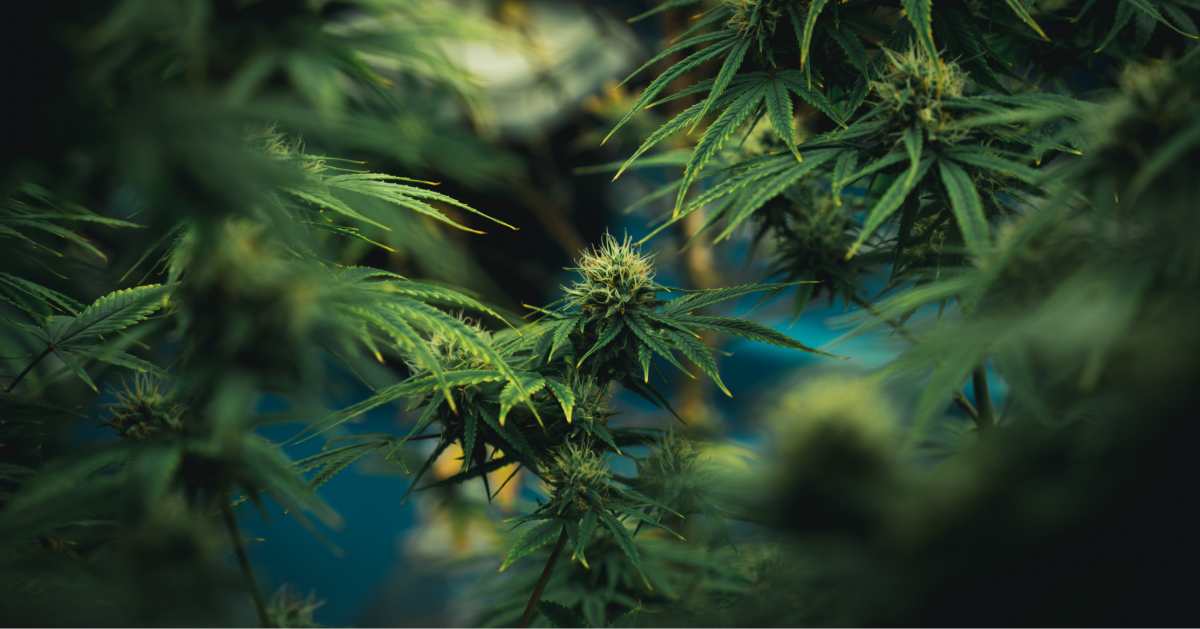
Denmark’s Attorney General is reopening 67 cannabis cases after faulty testing methods possibly led to wrongful convictions. The issue has deeply shaken trust in police forensic evidence.
Serious Flaws Found in Cannabis Testing
Denmark’s Attorney General, known as Rigsadvokaten, has decided to retry 67 cannabis-related cases after discovering that errors in chemical testing might have resulted in innocent people being convicted. The controversy emerged when courts realized that a problematic testing method used by police forensic experts could have transformed legal substances into illegal ones during analysis.
The Danish Association of Defense Lawyers said the situation is alarming because it undermines confidence in what many considered reliable scientific evidence. When laboratory results are questioned, the foundation of criminal justice begins to crack.

How the Wrong Method Caused Wrongful Convictions
The issue stems from two analytical techniques used to measure THC—the psychoactive compound in cannabis. The first, gas chromatography, heats the sample to several hundred degrees. During this process, the non-psychoactive THC-A in the cannabis converts into THC. The result is a reading that represents the total or potential THC level if the substance were consumed.
The second method, liquid chromatography, separates THC from THC-A without converting it. This approach allows laboratories to identify how much of each compound is present, distinguishing between what is illegal and what is permitted under Danish drug laws.
According to court findings, police laboratories often used gas chromatography, which can make legally produced substances appear illegal. This happens because the heat used in testing changes the chemical structure, effectively creating the very compound it was meant to measure.
Legal and Practical Consequences
Most of the reopened cases involve fines rather than prison time. However, Danish defense lawyers stress that even a small conviction can have serious consequences for individuals. A single mark on a criminal record can affect job prospects, housing, and travel rights.
The errors also highlight a broader challenge in Danish law enforcement: blind reliance on scientific results without independent verification. The case has opened discussions about strengthening oversight and ensuring that courts evaluate police forensic evidence critically.
In Denmark, where public trust in institutions is typically high, the discovery has rattled many. It shows how technical mistakes can have lasting effects on people’s lives and reputations, even when penalties are relatively small.
Response from the Prosecution Service
Deputy Attorney General Iren Hagen confirmed that her office, together with local police districts, has reviewed all relevant cases since a 2023 ruling by the Western High Court raised questions about the accuracy of THC testing. The process took time because each case required detailed technical analysis.
She emphasized that such mistakes are rare but acknowledged that, when they happen, authorities must act transparently and responsibly to correct them. The affected individuals can expect their fines to be refunded, and their criminal records cleared if wrongful convictions are confirmed.
Trust in the Justice System at Risk
This development comes at a time when other aspects of Denmark’s justice system, including forensic reliability and legal defense rights, are already under scrutiny. Defense lawyers argue that these 67 cases should prompt a broader discussion about how scientific evidence is used in Danish courts.
For instance, the country’s strict rules surrounding drug offenses have long been debated, just as other legal gray areas like sex work laws have spurred controversy over their enforcement and fairness. Both situations reveal how easily technicalities in Danish legislation can impact real people.

Interestingly, Denmark’s judicial framework is known for balancing fairness with efficiency. However, cases like these show that even in highly developed legal systems, small procedural errors or misapplied scientific methods can create major consequences.
As Denmark works through these reexaminations, legal professionals are calling for improved forensic standards and better cooperation between police chemists and defense experts. For many, trust will only be rebuilt if the justice system proves it can admit its mistakes and correct them swiftly.
Sources and References
The Danish Dream: Is Prostitution Legal in Denmark?
The Danish Dream: Best Criminal Defence Lawyers in Denmark for Foreigners
DR: 67 fejldomme i cannabissager rokker ved advokaters tillid til politiets beviser