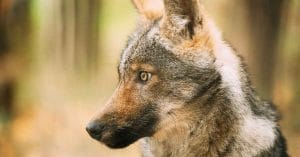
Denmark has launched a new SMS service that lets residents in western Jutland report problem wolves directly to the Nature Agency, aiming to speed up responses to wolves that have lost their natural fear of humans.
The Nature Agency has opened a dedicated SMS line for people in the Houstrup area of western Jutland to report sightings of wolves behaving unusually. Citizens can now text 2141 8626 with the location, time, and description of what they saw. The new system is designed to help field officers locate and remove a wolf that experts say has developed problematic, human-seeking behavior.
Nature and Animal Welfare Minister Christian Rabjerg Madsen described the initiative as another tool in efforts to deal with what authorities call a problem wolf. He emphasized that SMS reports go directly to agency staff in the field, allowing them to respond quickly. The minister thanked residents for helping solve what he called a serious situation.
Faster alerts, same old conflict
The service follows several incidents in which a wolf approached people, including children, in the Houstrup summer house district. Nature Agency teams have been patrolling the area with rifles and thermal drones since August 6. On the evening of August 10, three officers searched for the animal after it entered the residential zone again and local people contacted authorities.

This is not a policy shift. It is an administrative fix. The SMS channel makes reporting easier, but it does not settle the deeper question of how Denmark should handle wolves that cross the line from shy wildlife to potential nuisance. The system assumes that faster information will lead to faster action, but it also risks amplifying fear if every sighting triggers an alert.
Context matters for expats and newcomers
If you are new to Denmark, the wolf debate may seem strange. Wolves returned to the country only recently after being absent for two centuries. Their reappearance is a conservation success, but it has created friction in rural areas where livestock graze and people value predictability. The Danish approach has been cautious, balancing European wildlife protection rules with local concerns about safety and farming losses.
A problem wolf is not just any wolf. The term is reserved for animals that repeatedly approach humans, ignore deterrents, or behave in ways that suggest they have lost their instinctive wariness. In this case, the Houstrup wolf has reportedly come too close too often, prompting officials to authorize removal rather than relocation.

For expats living outside the affected zone, this may feel distant. But it reflects a broader Danish pattern: careful regulation paired with pragmatic intervention when wildlife management becomes a public concern. The SMS system fits that model. It is simple, direct, and designed to reduce the gap between observation and response.
What the system does not solve
The new reporting channel does not address the underlying tension between conservation advocates and rural stakeholders. Environmental groups argue that wolves are protected under EU law and that management must be evidence-based. Livestock owners and local residents want swift action when animals behave unpredictably near homes or pastures. The SMS service may improve documentation, but it will not resolve that disagreement.
It also raises questions about threshold and proportionality. What counts as problem behavior? How many reports justify lethal intervention? The Nature Agency has not published detailed criteria, and the supplied materials do not include expert commentary on whether the current approach is scientifically sound or politically driven.

Denmark is not alone in this. Across Europe, wolf populations have recovered in recent decades, creating similar conflicts in France, Germany, and Scandinavia. The political pressure to act quickly has grown, even as conservationists warn against overreaction. The Danish SMS system may be part of a wider administrative trend toward localized, real-time wildlife management.
Practical advice for residents
If you live in or near Houstrup, the Nature Agency wants you to send an SMS as soon as you see a wolf near people or buildings. Include the address, the time, and a short description of the animal’s behavior. You can send photos afterward. Do not approach or follow the wolf. Keep your distance and let the professionals handle it.

For the rest of us, this is a reminder that Denmark’s environmental debates are often more complicated than they first appear. The country values both nature and order, and when those two ideals collide, the solutions are rarely simple.
Sources and References
Ritzau: Ny SMS-tjeneste skal hjælpe Naturstyrelsen med at regulere problemulv
The Danish Dream: Rising wolf numbers spark public concern across Denmark
The Danish Dream: Denmark unveils new wolf management plan
The Danish Dream: Peak of wolf pups in Denmark signal population surge