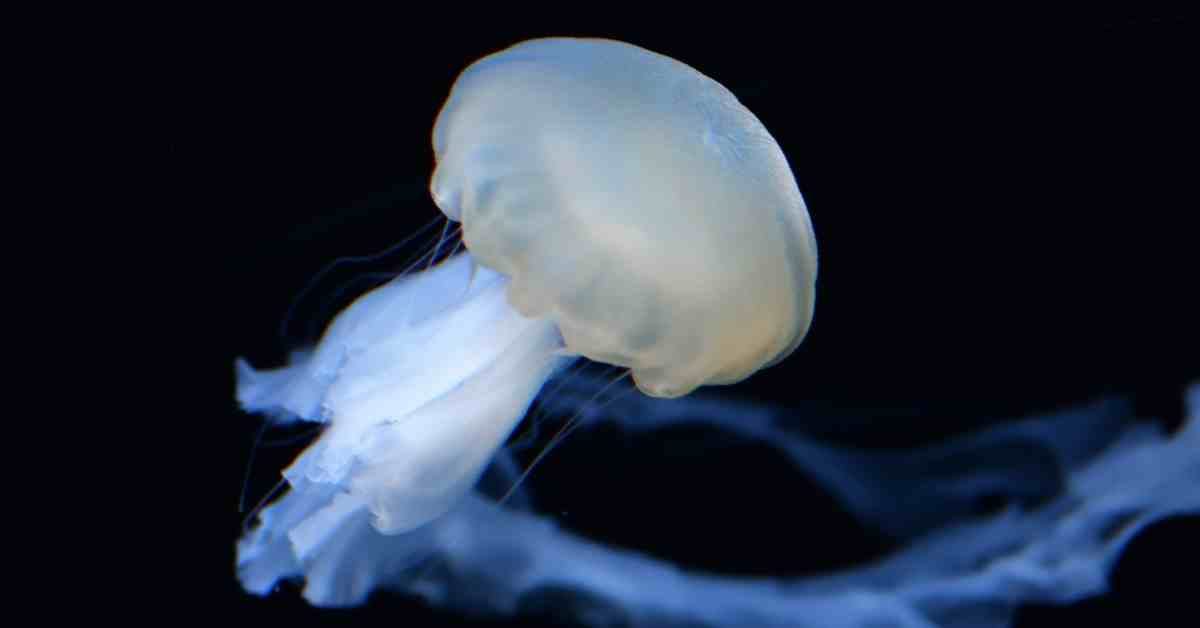
As blue jellyfish wash up on North Jutland beaches this July, Denmark’s latest monitoring reveals a deeper problem: the same stretches of sand carry a median of 89 pieces of marine litter per 100 metres, more than four times the EU’s official threshold for clean coasts.
Blue jellyfish sightings along North Jutland’s west coast have drawn attention from locals and media in early July. Local reports describe the animals appearing in unusual numbers along the shoreline. But the jellyfish arrivals coincide with a pollution reality that rarely makes the tourist brochures. Danish reference beaches, especially those facing the North Sea and Skagerrak, logged 8,245 pieces of marine litter across 32 surveys in 2023. That works out to 89 items per 100 metres of shoreline, according to the national marine litter monitoring programme run by Aarhus University.
The EU sets good environmental status at 20 items per 100 metres. At 89 items, Denmark’s 2023 median is 345 percent above that threshold. For internationals who visit North Jutland’s 250 kilometres of beaches each summer, the message is clear: what washes ashore is not just jellyfish and seaweed.

Plastic Dominates Marine Litter on Danish Beaches
Plastic makes up 91 percent of all recorded marine litter items on Danish reference beaches, according to the Aarhus University monitoring report. Cigarette butts, food wrappers, fishing gear, and packaging account for nearly everything you might step on. The North Sea and Skagerrak coasts show markedly higher litter loads than the Baltic and Kattegat.
That data comes from the DCE technical monitoring report published by Aarhus University, not from press material or tourism communications. It shapes the experience of anyone using these beaches. The blue jellyfish may draw attention, but the litter is chronic.
Trends Show Improvement, Not Success
Marine litter quantities have been falling since 2015, as reported by the Aarhus University monitoring programme. The 2023 median of 89 items is lower than peaks earlier in the decade. But it remains far above the EU target of 20 items per 100 metres.
Environmental agencies point to the downward trend as evidence that policy, municipal action, and public participation can reduce pollution. Critics note that voluntary campaigns and municipal cleaning have not been enough to reach EU good environmental status, with some pointing to the need for stronger regulation of plastics and producer responsibility.
Visitors to North Jutland often encounter confusion about waste sorting. According to official strandrensning guidance on Retsinformation, strandingsaffald covers anything washed up by the sea, including fishing gear and plastic debris. That waste belongs in designated strandkasser, not ordinary rubbish bins. Dog-poo bags, ice wrappers, and household rubbish belong in standard bins. The distinction matters for local authorities trying to manage waste streams.

What Internationals Can Do
Beach clean-up organisations run events on North Jutland beaches and invite local residents and visitors to participate. Bring a bag, collect what does not belong, and use the correct bins. Taking one piece of litter when you leave is a simple rule that helps.
Municipal environmental departments handle local beach cleaning schedules and pollution reports. Language support varies, but larger tourist areas offer some English information. Use strandkasser for marine debris and standard bins for household waste, and the system works better.

Jellyfish Species and Real Risks on North Jutland Beaches
The blue jellyfish being reported along the North Jutland coast are described locally as blue lung jellyfish. They can sting, but they are considered less dangerous than the red lion’s mane jellyfish, Cyanea capillata, which can reach diameters of two metres and total lengths over 30 metres. Nature outreach sources describe blue lung jellyfish as occasional strandings in late summer and early autumn, making current early-July sightings notable.
For internationals unfamiliar with Danish species, visible jellyfish and hidden litter together create confusion about beach safety. People may focus on jellyfish stings while overlooking sharp debris, fishing gear, and microplastics that pose more persistent risks.

Policy Gaps Persist
Denmark has detailed strandrensning guidance for acute pollution events like oil spills and chemical leaks, as set out on Retsinformation. The national beach litter monitoring programme, carried out under the EU Marine Strategy Framework Directive, has tracked chronic plastic and everyday litter since 2015. Monitoring is conducted in coordination with EU environmental status assessments.
Visually appealing beaches can conceal persistent pollution documented in technical reports rather than tourist brochures. The Aarhus University data is the primary source for understanding the real state of the coastal environment. Blue jellyfish are striking, but the plastic stays longer.