Danish mayors are publicly slamming the national Road Directorate for what they call mismanagement of a deadly stretch of road known as “Dødsruten,” or the Death Route. Their frustration comes after years of fatal accidents on a section of highway where fixes have been promised but not delivered, exposing the tension between local demands for safety and national bureaucracy’s slow wheels.
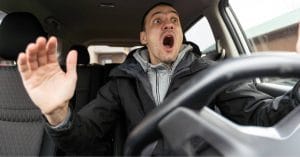
I’ve driven enough Danish roads to know the ones that make you grip the wheel a little tighter. Narrow lanes, blind curves, no shoulder. You hope the driver coming the other way is paying attention. On some stretches, hope is not enough.
That’s the reality facing residents along what locals have grimly dubbed Dødsruten. As reported by TV2, mayors from several municipalities are now accusing Vejdirektoratet, the national Road Directorate, of dragging its feet on safety improvements despite a mounting death toll. The criticism is sharp and unusually public for a country that prefers consensus to confrontation.
A Pattern of Delay
The mayors argue that the Road Directorate has known about the dangers for years. Accident reports pile up. Families lose loved ones. Yet upgrades to lighting, road markings, and barriers remain stuck in planning phases or budget negotiations. According to the mayors, the agency has prioritized larger highways and urban projects over rural roads where the risks are just as real but the political visibility is lower.
This is not just bureaucratic frustration. It reflects a structural problem in Danish infrastructure governance. Vejdirektoratet manages around 70,000 kilometers of state roads, but funding comes from the national budget, which means priorities get set in Copenhagen, not in the municipalities where people actually die. Local officials see the crashes. They attend the funerals. But they don’t control the money or the timeline.
For expats living outside the major cities, this hits close to home. Driving in Denmark means navigating a mix of modern motorways and older rural routes that haven’t been meaningfully upgraded in decades. When you’re driving on the right side through the countryside at dusk, poor visibility and outdated road design can turn a commute into a gamble.
The Cost of Inaction
Denmark prides itself on being a safe, well-organized country. The national road death rate hovers around 1.8 deaths per 100,000 people, which is low by global standards but still represents roughly 170 fatalities a year. Many of those happen on exactly the kind of roads the mayors are talking about: two-lane highways with high speed limits, limited separation between oncoming traffic, and stretches where a moment’s distraction can be fatal.
The mayors’ argument is simple. If the Directorate knows a road is dangerous, and has the data to prove it, then waiting years to act is a policy choice with deadly consequences. They point to what traffic planners call “black spots,” locations where accidents cluster due to poor design or conditions. Fixing these areas is not exotic engineering. It’s basic risk management.
But the Directorate operates within fiscal constraints and a national prioritization system. Upgrading every problematic rural road is expensive, and Denmark’s infrastructure budget is finite. The result is a standoff: local leaders demanding urgent action, and a central agency moving at the pace of bureaucracy.
Why It Matters Beyond Denmark
This dispute reflects a broader European challenge. The EU has committed to a Vision Zero goal, aiming for zero road deaths by 2050. Denmark is generally ahead of the curve on safety standards, but even here, the gap between policy and implementation can be fatal. As Copenhagen hosts major international events, the country’s infrastructure gets scrutinized. A Death Route in the provinces doesn’t fit the image.
For those of us who’ve made Denmark home, this story is a reminder that even the most orderly societies have cracks. The mayors are doing what they should: making noise, demanding accountability, and refusing to accept that rural lives matter less than urban ones. Whether Vejdirektoratet will respond with action or more promises remains to be seen. But the pressure is building, and the next accident will only make it worse.
Sources and References
TV2: Borgmestre kritiserer Vejdirektoratet for håndtering af dødsruten
The Danish Dream: Driving in Denmark: Navigating Roads and Regulations
The Danish Dream: What Side of the Road Does Denmark Drive On?
The Danish Dream: Copenhagen to Host the World Road Race Championships