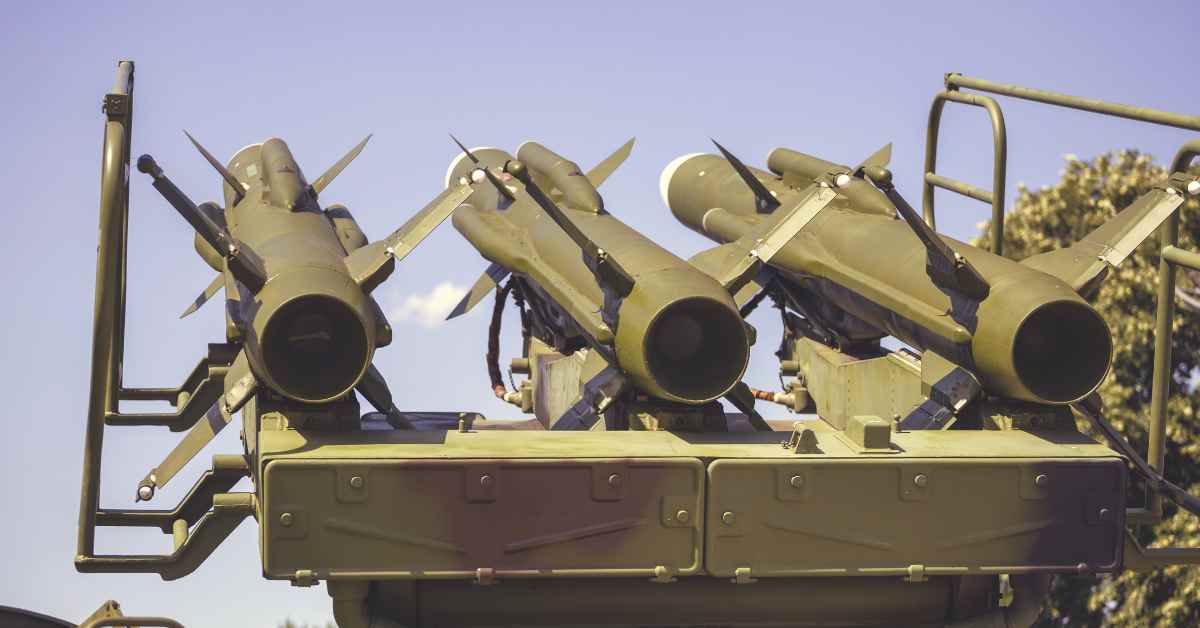
Denmark’s decades-old policy prohibiting nuclear weapons on its territory may be ending. Several political parties are now open to discussing European nuclear weapons on Danish soil as security concerns mount over American commitment to Europe and Russian threats.
The debate emerged in full force this week when Defense Minister Troels Lund Poulsen told reporters he is open to discussing everything, including Danish co-financing or possible deployment of nuclear weapons on Danish territory. Liberal Alliance has gone further, openly calling for European nuclear weapons in Denmark. Even the Social Democrats, traditionally cautious on defense matters, acknowledge the discussion may become necessary.
Breaking Decades of Consensus
For around 70 years, Denmark has maintained a firm policy against nuclear weapons on its soil during peacetime. That consensus is now fracturing as European security calculations shift dramatically.
The American Question
The driving force behind this debate is uncertainty about American security guarantees under President Donald Trump. European allies increasingly question whether the United States will honor NATO’s mutual defense commitment if crisis strikes. This doubt has forced European nations to consider alternatives they once found unthinkable.
Michael Zilmer-Johns, a former Danish NATO ambassador with over 40 years of diplomatic experience, says the scenario cannot be ruled out. He notes that if European powers build their own nuclear umbrella, they may want burden sharing from other nations. However, he cautions this is not the most likely outcome.
Russia’s Shadow
The Russian threat looms large over these discussions. Moscow has already deployed nuclear weapons closer to Denmark following the Ukraine invasion. Nevertheless, Russian objections are unlikely to determine Danish policy, according to Zilmer-Johns. Russia will view European nuclear deployment as provocation and complain loudly, but they have already taken similar steps themselves.
Denmark’s approach to stronger defence strategy continues evolving in response to these regional security challenges.
The European Nuclear Umbrella
France and Britain are the only European nations with their own nuclear arsenals. French President Emmanuel Macron has proposed extending France’s nuclear umbrella across Europe, creating an independent deterrent separate from American control.
Who Pays and Who Hosts
If Denmark joins such an arrangement, financial contributions will likely be required. Zilmer-Johns suggests that for nuclear guarantees to be credible, protected nations must help finance them. This could also involve hosting weapons, though he sees no military reason Denmark specifically needs nuclear weapons on its territory.
American nuclear weapons currently sit in several European countries, including Belgium and Germany. A European system might follow similar deployment patterns. Meanwhile, any credible nuclear posture requires substantial infrastructure to protect weapons sites from attack or sabotage.
French Leadership
Macron has been driving discussions at high-level meetings during the Munich Security Conference. Germany, the United Kingdom, Sweden, Poland, and Baltic states have participated in these conversations. Prime Minister Mette Frederiksen stated at Munich that Europe must be able to defend itself completely, suggesting openness to greater European nuclear capability.
Denmark’s traditional non-nuclear stance is being reconsidered alongside broader changes, including recent moves to strengthen Arctic and general military capabilities.
Political Positions Across the Spectrum
The Danish political landscape is shifting rapidly on this once-taboo subject. Different parties are staking out varying positions as the election campaign unfolds.
Government and Center-Right Opening
Defense Minister Troels Lund Poulsen made his comments during an interview this week, saying he is open to discussing the full range of options. He stressed that any change must happen within NATO frameworks and would require balanced strengthening of NATO’s European nuclear policy. Liberal Alliance has taken the most aggressive stance, explicitly supporting European nuclear weapons on Danish territory.
Social Democrat defense spokesperson Simon Kollerup acknowledges the world is developing in dystopian ways around Denmark. He says the party cannot rule out that nuclear weapons discussions may become necessary, though nothing is currently on the table for immediate planning.
Opposition and Concerns
Not all parties embrace this shift. Traditional left-wing parties remain firmly opposed to changing Denmark’s nuclear weapons policy. They argue that nuclear weapons remain weapons of mass destruction and threats to humanity regardless of who controls them.
The historical consensus against nuclear weapons reflected broad public sentiment and Denmark’s role as a responsible NATO member. Breaking that consensus represents a fundamental change in Danish security identity. Whether voters support such a dramatic policy reversal remains unclear, as polling data on public opinion is not yet available.
Practical Challenges and Timeline
Even if political will exists, hosting nuclear weapons involves significant practical obstacles. Denmark would need to develop secure storage facilities, specialized military units for weapons handling, and extensive security infrastructure.
Military and Strategic Considerations
Zilmer-Johns suggests Denmark might contribute aircraft to a nuclear mission rather than hosting weapons directly. This approach would demonstrate solidarity while avoiding the complications of ground-based storage. Denmark already participates in NATO military structures, making integration into nuclear planning potentially simpler than building new infrastructure.
Any deployment would require careful NATO coordination to avoid undermining alliance unity. The defense minister has emphasized that Denmark seeks to strengthen NATO’s European pillar, not create competing structures. This positions Denmark as supporting collective defense rather than national nuclear ambitions.
What Happens Next
No concrete proposals or timelines currently exist for changing Denmark’s nuclear policy. The discussion remains at the rhetorical stage, with politicians acknowledging possibilities rather than advancing specific plans. The upcoming election will test whether voters support opening this door or prefer maintaining traditional policies.
Social Democrat spokesperson Kollerup emphasized that while discussions may become necessary, nothing is being actively planned right now. This cautious approach reflects the politically sensitive nature of overturning seven decades of established policy. Meanwhile, European security developments continue pushing the debate forward regardless of domestic political comfort levels.
Sources and References
The Danish Dream: The Real Reason Denmark Needs Stronger Defence Strategy Now
The Danish Dream: Denmark Boosts Arctic Defense with 8 Billion Investment
The Danish Dream: Denmark Doubles Military Draft to Face Russia
The Danish Dream: Immigration and Labour Law in Denmark for Foreigners
The Danish Dream: Security in Denmark for Foreigners
The Danish Dream: Finding a Work in Denmark for Foreigners
DR: Skal vi huse atomvåben herhjemme? Ikke det mest sandsynlige, men det kan ikke udelukkes