Denmark has joined seven other European countries in a historic nuclear cooperation agreement with France, marking a significant shift in Danish defense policy as European nations seek alternatives to traditional American security guarantees amid growing concerns about Russian military threats.
Denmark Joins French Nuclear Deterrence Framework
Denmark accepted France’s invitation to participate in a strengthened European nuclear deterrence program on March 2, 2026. Prime Minister Mette Frederiksen announced the decision alongside Defense Minister Troels Lund Poulsen and Foreign Minister Lars Løkke Rasmussen. The agreement represents the first formal Danish participation in European nuclear strategy outside the NATO framework.
Eight Nations Sign Historic Agreement
The agreement brings together Denmark, Germany, the United Kingdom, Poland, the Netherlands, Belgium, Greece, and Sweden under French nuclear leadership. This coalition includes both nuclear weapons states like the UK and non nuclear states. The breadth of participation suggests a coordinated European effort to create an independent deterrence posture.
French President Emmanuel Macron revealed the initiative at the Île Longue naval base in Brittany hours before Frederiksen’s announcement. The timing reflects careful diplomatic coordination among participating nations.
No Nuclear Weapons on Danish Soil
Denmark maintains its 70 year policy of not allowing nuclear weapons on Danish territory. No atomic warheads will be deployed on Danish soil as a result of this agreement. Foreign Minister Lars Løkke Rasmussen emphasized that existing Danish nuclear policy remains unchanged.
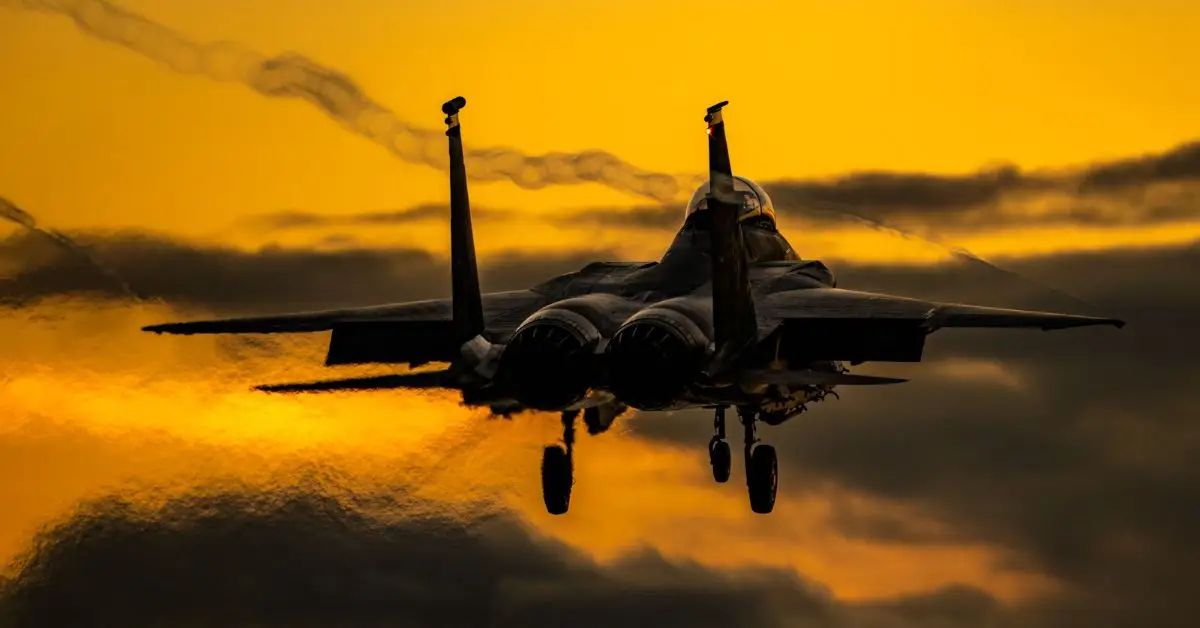
However, Defense Minister Poulsen stated that Danish F-35 fighter jets will have the capability to carry nuclear weapons if needed in the future. This signals readiness without immediate deployment. The distinction addresses domestic concerns while preparing for potential future scenarios.
Practical Cooperation and Strategic Implications
The agreement focuses on knowledge sharing and interoperability rather than operational integration into French nuclear command structures. Denmark will participate in strategic discussions without full operational involvement in nuclear deployment decisions.
Training and Joint Operations
Practical cooperation includes training activities, joint exercises, and air surveillance coordination. Danish forces will gain increased access to nuclear deterrence information. Defense Minister Poulsen indicated the scope could expand to include a broad range of activities.
Danish radars can contribute to the airspace monitoring necessary for nuclear operations. The air delivered component of French nuclear weapons requires conventional support. Danish expertise in air operations provides valuable assistance for successful mission execution.
Response to Russian Military Expansion
The Danish government justified the agreement as a necessary response to rising Russian military capabilities. Prime Minister Frederiksen cited Russian military doctrine viewing itself in conflict with NATO. She emphasized projections that Russian military production will exceed European production in coming years.
The decision responds to long term deterrence needs rather than an imminent nuclear threat. This framing aligns with broader defence strategy concerns following Russia’s actions in Ukraine. European intelligence agencies increasingly worry about potential Russian aggression against NATO countries.
Questions About NATO’s Future
International analysts interpret the agreement as signaling reduced confidence in traditional American security guarantees. The decision comes amid uncertainty about future U.S. commitments to European defense.
Dual Track Approach to Nuclear Deterrence
Danish officials stressed that French cooperation is intended to supplement rather than replace NATO’s nuclear framework. Defense Minister Poulsen indicated that NATO level nuclear work continues in parallel. He emphasized Denmark’s interest in participating in both tracks simultaneously.
Poulsen noted American acceptance of this dual track approach. This reflects political sensitivity to maintaining transatlantic cohesion while pursuing European strategic autonomy. The government seeks to avoid appearing to choose between American and European partners.
Expert Views on Alliance Changes
Kristian Mouritzen, an international analyst, argues the agreement represents a clear signal that European nations do not have complete trust in the NATO alliance as it has existed for decades. He suggests the old NATO is on its way out. This reflects widespread European concerns about potential shifts in American security commitments.
The agreement allows European nations to prepare contingency plans without openly breaking with NATO structures. European governments balance the need for independence with the desire to maintain transatlantic ties. The result is a complex diplomatic arrangement that preserves flexibility.
Military Assessment and Political Context
The Danish government’s decision was based on military professional assessment rather than political initiative. Defense Chief Michael Hyldgaard reportedly advised that participation would be in Denmark’s interest.
Professional Military Guidance
This framing emphasizes the decision as strategically sound and professionally grounded. The invocation of military expertise serves to shield the decision from partisan criticism. Denmark has limited nuclear competencies but can contribute valuable conventional support capabilities.
The decision grants access to classified nuclear strategy discussions previously limited to nuclear weapons states. Danish officials will participate in scenario planning and deterrence coordination. This increases Denmark’s voice in European security policy.
Implementation Timeline Remains Unclear
Specific implementation measures and activation timelines remain undisclosed. Budget allocations for Danish participation have not been announced. Technical specifications for F-35 modifications to carry nuclear weapons require further development.
Parliamentary debate and opposition party reactions have not yet emerged in public forums. The agreement likely requires further legislative action before full implementation. Future developments will clarify the practical scope of Danish involvement.
Sources and References
The Danish Dream: The Real Reason Denmark Needs Stronger Defence Strategy Now
The Danish Dream: Denmark Boosts Arctic Defenses Amid U.S. Tensions
The Danish Dream: Denmark Doubles Military Draft to Face Russia
TV2: Stil spørgsmål om Danmarks atomsamarbejde med Frankrig