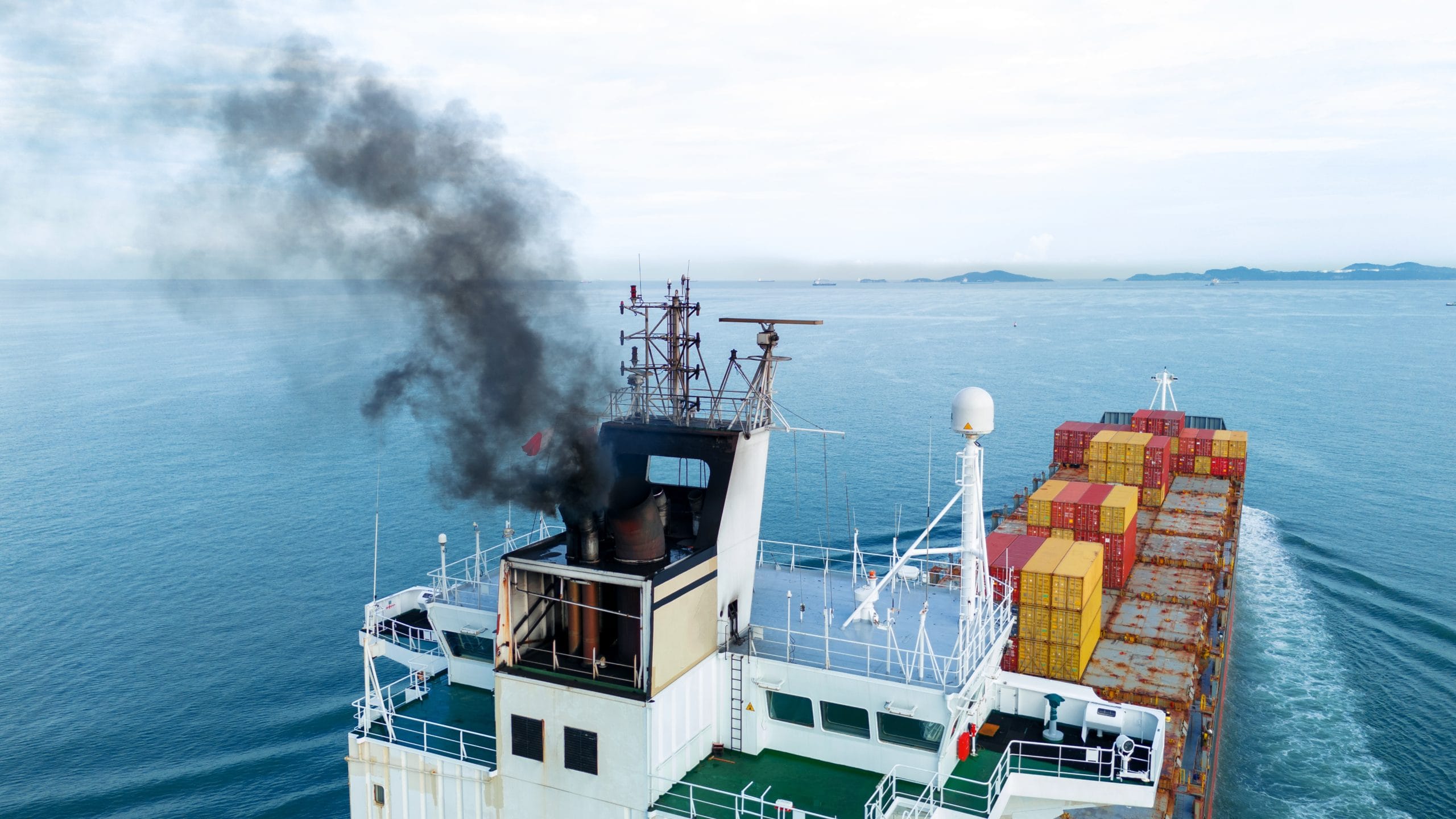
Danish police raided an Iranian container ship suspected of sanctions violations after it was detained for weeks in Danish waters. The vessel, part of a shadowy Iranian shipping network, was forced into Aarhus harbor for a search by authorities investigating potential breaches of international maritime law.
Police Operation Targets Suspicious Iranian Vessel
Denmark’s National Unit for Special Crime confirmed an ongoing police operation against the container ship Nora as it headed toward Aarhus harbor. The 226 meter vessel had been anchored in the Kattegat strait since late January after Danish authorities detained it for sailing under false registration.
Vessel Held After Flag Registration Irregularities
The ship initially arrived in Danish waters flying the flag of Comoros but suddenly switched to an Iranian flag in mid February. Maritime authorities discovered the vessel was not properly registered with its claimed flag state. The Danish Maritime Authority detained the ship in cooperation with Defense forces after confirming the registration fraud.
Data tracking systems show Nora stopped transmitting its position multiple times while approaching the Russian port of Saint Petersburg. The vessel passed through Danish waters ten times in the past year, consistently turning off its location transponders near Russian destinations.
Sanctions Connected Iranian Shipping Network
American authorities have designated Nora as part of a large shadow fleet network operated by Iranian businessman Mohammad Hossein Shamkhani. The vessel changed its name from Cerus just months before entering Danish waters. U.S. Treasury Department records list the ship among sanctioned vessels used to circumvent international restrictions on Iranian maritime trade.
The ship’s movements fit patterns associated with illicit cargo transport. After sailing north around Skagen in January, it proceeded to Saint Petersburg before returning through the Baltic Sea. It then anchored 28 kilometers east of Aalbæk in international waters before Danish authorities intervened.
Denmark’s Maritime Security Role
The police action reflects Denmark’s position as one of the world’s major shipping nations with vital interests in maritime security. Danish companies operate large commercial fleets that depend on safe and lawful shipping lanes worldwide.
Historical Context of Naval Operations
Denmark has repeatedly deployed naval assets to protect civilian shipping from threats. In 2020, the Danish frigate Iver Huitfeldt joined a French led operation in the Persian Gulf after Iran was linked to attacks on tankers in the Strait of Hormuz. The mission ran from August through December 2020 as part of Operation AGENOR, ensuring free navigation through critical waterways.
Danish naval forces have long experience with maritime law enforcement. Anti piracy operations and smuggling interdictions form core competencies for both the navy and national police units. These capabilities enable rapid response to vessels suspected of violating international regulations in Danish territorial waters.
Enforcement Cooperation Among Agencies
The Nora operation involves coordination between multiple Danish agencies. The National Unit for Special Crime leads the investigation with support from the Maritime Authority and Defense forces. This multi agency approach mirrors past enforcement actions against smuggling and sanctions violations.
Denmark’s customs service and police have conducted joint maritime operations for decades. A 1994 case involved intercepting a coaster carrying 5.5 tons of Moroccan hashish worth approximately 250 million kroner. That operation combined police units, military helicopters, and customs officials in tactics similar to current vessel boarding procedures.
Broader Implications for Regional Security
The detention and search of Iranian flagged vessels in European waters signals heightened scrutiny of shadow fleet operations. These networks attempt to move goods while avoiding sanctions and maritime safety regulations that protect legitimate shipping.
Shadow Fleet Operations Under Pressure
Iranian shipping networks have developed sophisticated methods to disguise vessel ownership and cargo movements. Frequent flag changes, false registrations, and deliberate gaps in position reporting help ships avoid detection. The Nora case demonstrates how European authorities are adapting enforcement strategies to counter these tactics.
International cooperation remains essential for tracking suspicious vessels across multiple jurisdictions. When ships turn off transponders or falsify documentation, maritime authorities must share intelligence quickly to prevent violations. Denmark’s action against Nora may encourage similar enforcement by other European coastal states.
Investigation Continues in Aarhus
Police have not disclosed what specific evidence prompted the search or what cargo they expect to find aboard Nora. The investigation remains active as authorities examine the vessel and its documentation. Results from the search could determine whether criminal charges follow or if the ship will face only administrative penalties.
The case highlights ongoing challenges in maritime law enforcement as illicit networks exploit gaps in international oversight. Denmark’s willingness to detain and search suspicious vessels demonstrates commitment to upholding sanctions regimes and maritime safety standards despite diplomatic sensitivities.
Sources and References
The Danish Dream: Denmark Seizes Blacklisted Iranian Ship in Dramatic Raid
The Danish Dream: Denmark May Defy Human Rights Court on Deportations
The Danish Dream: Denmark Boosts Arctic Defenses Amid U.S. Tensions
The Danish Dream: Best Lawyer in Denmark for Foreigners
TV2: Dansk politi slår til mod iransk containerskib
marinehist.dk