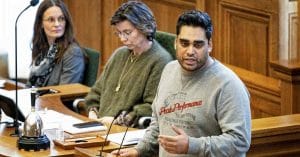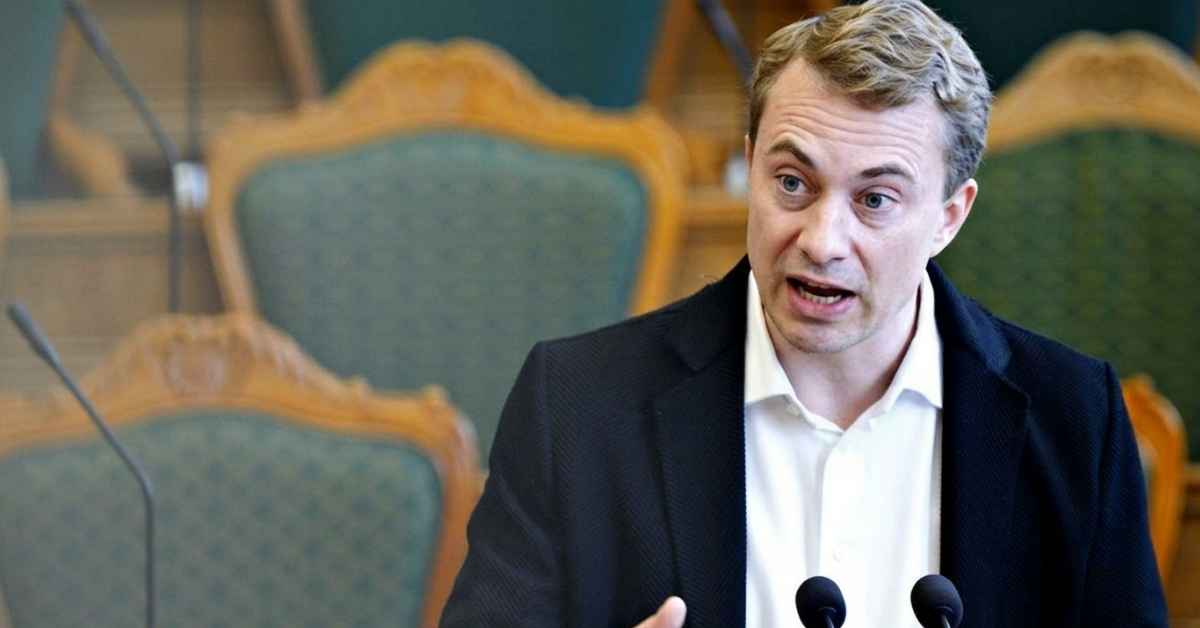
Dansk Folkeparti leader Morten Messerschmidt has issued an ultimatum demanding more Muslim immigrants leave Denmark than arrive, threatening to topple any government that fails to deliver. The move complicates prospects for a unified blue bloc ahead of the March 24, 2026, parliamentary election.
Ultimatum Creates Headaches for Blue Bloc
Morten Messerschmidt fired a warning shot that sent shockwaves through Denmark’s center right parties. His ultimatum on Muslim immigration landed squarely on the desk of Venstre leader and prime ministerial candidate Troels Lund Poulsen. The message was clear and uncompromising.
If Dansk Folkeparti is to support a blue government, Denmark must see net emigration among Muslim immigrants. Messerschmidt left no room for interpretation. Should the government fail to deliver, DF will vote it down. No exceptions.
Dangerous Political Territory
Ultimatums represent treacherous ground in Danish politics. The word makes politicians nervous and parties vulnerable. History shows that those who deploy ultimative demands often face electoral punishment.
Former Venstre leader Jakob Ellemann-Jensen learned this lesson the hard way in 2022. He promised never to support Mette Frederiksen as prime minister, using the word never deliberately. That ultimatum haunted him when he did exactly that shortly after the election. The fallout proved catastrophic for both Ellemann-Jensen and Venstre.
Liberal Alliance’s Anders Samuelsen faced similar consequences years earlier. His steel-eyed insistence on top tax cuts backfired spectacularly. Voters punished the party, and Samuelsen lost his parliamentary seat entirely.
Strategic Timing Raises Questions
Messerschmidt’s ultimatum arrives at a moment when the blue parties already struggle to present a united front. Both Alex Vanopslagh of Liberal Alliance and Troels Lund Poulsen seek the top position. This muddles the message of blue bloc coherence.
The timing suggests calculation rather than spontaneity. DF has climbed back from near political extinction to relevance. Meanwhile, Messerschmidt has pressured Venstre for months to abandon what he calls the tosseblok, his derogatory term for the current center government.
Venstre Stays Silent on Ultimatum
Troels Lund Poulsen declined to comment directly on Messerschmidt’s demand. His silence speaks volumes about the discomfort the ultimatum creates. Instead, Venstre sent deputy Morten Dahlin to handle media inquiries.
Coalition Partners Keep Distance
Other blue bloc leaders also refused to embrace the ultimatum. Conservative leader Mona Juul stayed quiet despite her earlier public appeals for Lund Poulsen to leave the center government. Inger Støjberg of Danmarksdemokraterne and Alex Vanopslagh similarly avoided the topic.
No politician wants reporters digging up quotes after an election showing promises they could not keep. The careful distance each leader maintains reveals the explosive nature of ultimative demands. They understand how quickly such commitments can destroy careers and parties.
Attempted Deflection Falls Flat
Lund Poulsen tried shifting attention with his own immigration proposal. He suggested making it easier to revoke citizenship from those who commit serious crimes within five years of naturalization. The move appeared designed to reclaim initiative on immigration policy.
The deflection strategy showed limited success. Messerschmidt’s ultimatum continued dominating political coverage. The episode reinforced concerns about whether Denmark’s center right parties can actually govern together if they win a stronger defence strategy mandate.
Vote Maximizing Strategy Creates Risks
Political observers see Messerschmidt’s move as primarily aimed at boosting DF’s vote share rather than strengthening the blue bloc overall. The strategy carries significant dangers for coalition building after the election.
Expert Analysis Points to Internal Focus
Thomas Juul-Dam, former adviser to Social Democratic Prime Minister Helle Thorning-Schmidt, characterized DF as shooting first and thinking later. He argues the party prioritizes its own electoral gains over blue bloc unity. The ultimatum might pull some voters from across the political center, but likely reinforces perceptions of a fractured right wing.
Jacob Bruun, who advised Lars Løkke Rasmussen and Venstre, sees echoes of 2015 coalition dynamics. Back then, ultimative demands from the right made governing nearly impossible. If similar demands multiply, they validate Lund Poulsen’s concerns about whether a workable blue majority can actually form.
High Stakes Gamble
Messerschmidt plays a risky game with his ultimatum. DF emerged from an existential crisis not long ago when the party appeared headed for irrelevance. Survival no longer represents the primary goal. Now DF aims to become a major blue bloc force.
This ambition sometimes conflicts with the larger objective of defeating the current government. For DF, establishing itself as an indispensable partner matters as much as changing the government. The ultimatum serves that internal party goal even if it complicates external coalition prospects.
Middle East Crisis Provides Cover
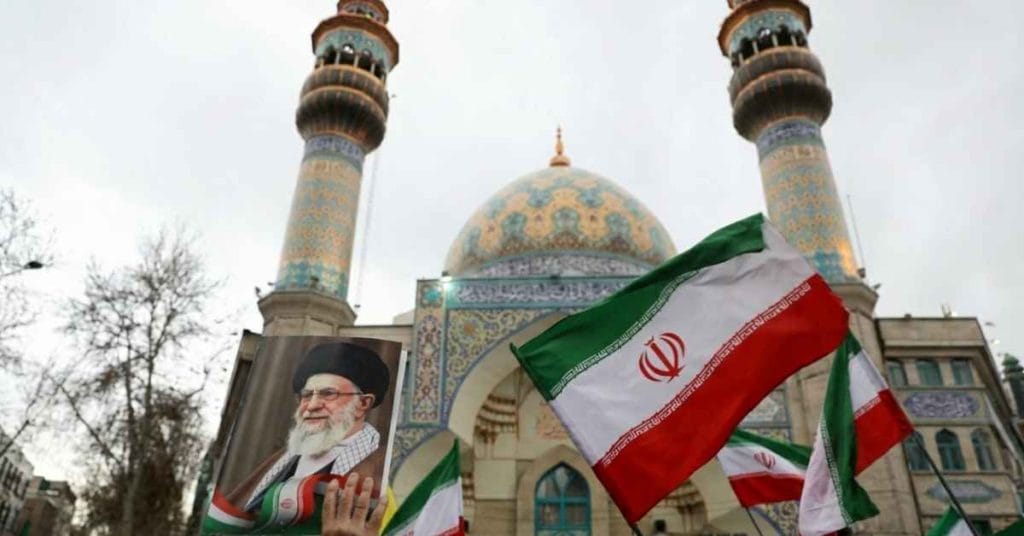
The dramatic escalation of conflict with Iran temporarily diverted attention from domestic political drama. All major party leaders commented on the international situation. The crisis likely came as a relief to some politicians facing awkward questions.
Leaders Stake Different Positions
Both Mette Frederiksen and Lars Løkke Rasmussen exercised caution when discussing the strikes on Iran. Neither would explicitly endorse the military action. Troels Lund Poulsen broke from this restraint.
The Venstre leader called the American decision to attack Iran wise and appropriate. His more aggressive stance drew pushback from Løkke, who questioned what special intelligence Lund Poulsen possessed that others lacked. The exchange highlighted how foreign policy can create additional friction points during election campaigns.
Campaign Continues in Formal Wear
An unexpected subplot emerged when the royal court ball got cancelled due to the election call. Politicians had purchased gowns and prepared for the palace event. Rather than waste the opportunity, several candidates pivoted to campaign photo opportunities in formal attire.
Social Democratic candidate Ida Auken posed at a bar in her gown holding a beer and listing three policy priorities. Liberal Alliance’s Sólbjørg Jakobsen prepared campaign posters while dressed for the cancelled ball. The improvised content generated the media attention politicians crave.
Historical Context Shapes Current Dynamics
Understanding the current tensions requires examining how Danish right wing parties have evolved. Messerschmidt took leadership of DF in January 2022 during turbulent times for the party. His social media focused approach and willingness to court controversy mark a shift in tactics.
Leadership Changes Reshape Landscape
Multiple leadership transitions have altered blue bloc dynamics since 2022. Mona Juul assumed control of the Conservatives in March 2024. Troels Lund Poulsen stepped into the Venstre leadership role after Jakob Ellemann-Jensen resigned in October 2023.
These relatively new leaders still navigate relationships and establish credibility with voters. Messerschmidt uses this transitional moment to position DF as a kingmaker. His recruitment pitches to Venstre and public criticism of the tosseblok represent efforts to define the terms of future cooperation.
Voter Loyalty Despite Controversy
Research on DF shows remarkable voter loyalty despite repeated scandals involving party leadership. Messerschmidt himself faced allegations of EU fund misuse in 2016. Rather than destroying the party, controversies seemed to normalize DF in the eyes of supporters.
This resilience gives Messerschmidt confidence to make bold ultimative demands. He calculates that core supporters will reward hardline positions even if coalition partners bristle. The strategy banks on DF’s ability to weather criticism while consolidating its base.
What Comes Next
Twenty two days remain until Danes cast their ballots on March 24, 2026. Messerschmidt’s ultimatum ensures immigration will dominate much of the remaining campaign discussion. The question becomes whether other issues can break through.
Pressure Builds on Venstre
Troels Lund Poulsen faces mounting pressure from multiple directions. He must defend Venstre’s decision to join the center government while simultaneously appealing to traditional blue bloc voters. Messerschmidt’s ultimatum makes this balancing act even more precarious.
Lund Poulsen can hope the immigration demand pressures Socialdemokratiet and pulls voters rightward. He might also note that DF specified an ultimate goal but left implementation details flexible. This ambiguity preserves some negotiating room if the blue bloc wins a majority.
Coalition Math Grows Complicated
Every ultimatum adds complexity to potential government formation after the election. If multiple parties issue non-negotiable demands, finding common ground becomes mathematically challenging. The risk increases that even a blue majority cannot produce a stable government.
This scenario would vindicate concerns that the right wing parties are more interested in fighting each other than governing Denmark. Voters tend to punish such behavior. Messerschmidt gambles that fears of immigration will override concerns about coalition dysfunction. The coming weeks will test whether that calculation proves correct.
Sources and References
The Danish Dream: The Real Reason Denmark Needs Stronger Defence Strategy Now
The Danish Dream: Is Denmark Socialist Danish Socialism Explained by Social Scientist
The Danish Dream: How to Immigrate to Denmark
The Danish Dream: Immigration and Labour Law in Denmark for Foreigners
The Danish Dream: Labour Law Rights in Denmark for Foreigners
The Danish Dream: Finding a Work in Denmark for Foreigners
DR: Magtens Morgenbrief Messerschmidt sagde det forbudte ord og gjorde det hele mere besværligt Troels
Piopio
Information
Wikipedia
Berlingske
Politiken