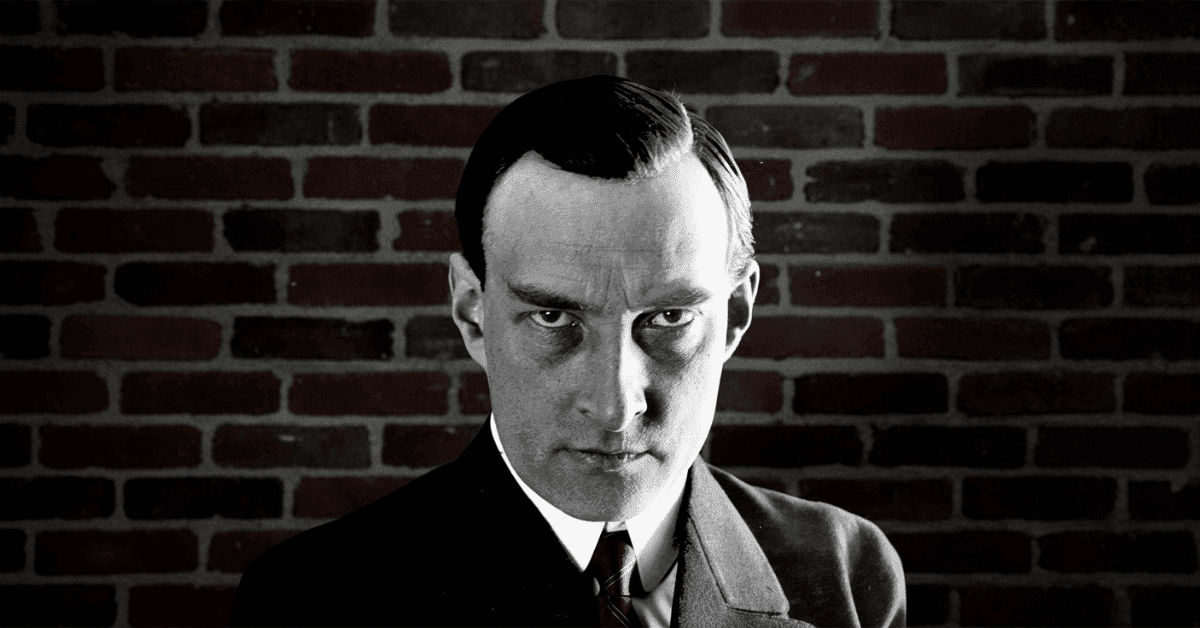
Benjamin Christensen is one of Denmark’s most unconventional film directors, best known for Häxan (1922), a macabre and experimental silent film that remains a cult classic. While his name might not carry the same weight as Carl Theodor Dreyer, Christensen was a film industry disruptor, blending documentary, horror, and theatrical elements in a way few dared at the time. His career took him across Denmark, Germany, and Hollywood, where he made four films under Warner Bros., before retreating into obscurity. This is the story of a man who defied cinematic norms and left behind a filmography that refuses to be ignored.
- Benjamin Christensen’s Unconventional Filmmaking: A Danish director known for blending documentary, horror, and theatrical elements, especially in his cult classic ‘Häxan’ (1922).
- His Early Life and Career Initiation: Born in Viborg, Christensen trained as an opera singer and stage director before turning to film, debuting in 1913 with ‘Det hemmelighedsfulde X.’
- International Film Work: Made films in Germany and Hollywood, including ‘The Devil’s Circus’ (1926) and ‘Seven Footprints to Satan’ (1929), before returning to Denmark.
- Return to Denmark and Later Years: After Hollywood, he made a few films in Denmark; his final film was in 1942, and he faded into obscurity by his death in 1959.
- Posthumous Recognition and Legacy: His films, especially ‘Häxan,’ have been rediscovered, restored, and praised for their bold, genre-defying style, influencing horror cinema with figures like Guillermo del Toro.
Christensen Was Born in Viborg, But His Career Took Him Everywhere
Born on 28 September 1879 in Viborg, Christensen didn’t begin as a filmmaker. He first trained as an opera singer in 1902, then pivoted to theatre, becoming a stage director before making his way into cinema. His early films, like Det hemmelighedsfulde X (1914), a spy melodrama, showcased his ability to craft intense visual storytelling.
His big break came with Häxan in 1922, a film so ahead of its time that it baffled audiences. A mix of historical documentary and horror, it tackled the medieval witch hunts with eerie imagery and unsettling performances. Christensen starred in the film himself, playing multiple roles, including the Devil. The film was controversial but has since been re-evaluated as a silent film masterpiece.

Christensen Made Two Films in Germany Before Hollywood Called
In 1923, Christensen directed Seine Frau, die Unbekannte (also known as Die Unbekannte), demonstrating his flair for crime drama. He then made another film in 1924, taking on a supporting role in Dreyer’s Michael, where he played painter Claude Zoret.
Hollywood soon noticed. He signed with MGM and directed The Devil’s Circus (1926), marking his move into American cinema. At Warner Bros., he made four films, including Seven Footprints to Satan (1929), which leaned into mystery and horror. But Hollywood wasn’t a perfect fit for Christensen. His unorthodox ideas clashed with studio expectations, and his tenure in the U.S. ended without major commercial success.
Christensen’s Return to Denmark and Fall Into Obscurity
After his Hollywood stint, Christensen returned to Denmark, directing films for Nordisk Film. His last film, Damen med de lyse Handsker (1942), was a spy melodrama. Post-WWII, his style seemed outdated, and he faded from the film industry.
By the time of his death on 2 April 1959, Christensen had become a forgotten figure in Danish cinema. He lived his final years in near obscurity, despite having transformed horror cinema decades earlier.

Filmography
Christensen’s filmography is defined by its boldness.
- Det hemmelighedsfulde X (1914) – Spy melodrama
- Hævnens Nat (1916) – Silent film crime drama
- Häxan (1922) – Macabre silent film blending horror and documentary
- Seine Frau, die Unbekannte (1923) – German crime drama
- Michael (1924) – Acted in Dreyer’s silent film
- The Devil’s Circus (1926): Hollywood debut at MGM
- The Hawk’s Nest (1928): Crime drama
- Seven Footprints to Satan (1929): Mystery thriller at Warner Bros.
- Damen med de lyse Handsker (1942): Spy melodrama, final film
Christensen’s Training in Copenhagen
Before becoming a filmmaker, Christensen trained in Copenhagen at the Royal Danish Theater. He later managed a cinema in the city, where he observed audience reactions firsthand. This hands-on experience with the Danish film industry shaped his directorial approach, leading to his unconventional, stage-influenced storytelling techniques.
Film Festival Recognition Came Too Late
Though Christensen struggled for recognition during his lifetime, his work has since been rediscovered. His films, particularly Häxan, have been restored and showcased at film festivals, where they’ve been praised for their originality. His influence on horror cinema is undeniable, with directors like Guillermo del Toro citing him as an inspiration.
Conclusion and FAQs About Benjamin Christensen
Conclusion
Benjamin Christensen was never a mainstream success, but his films have endured because of their daring visual style and unconventional narratives. He was a film director, screenwriter, and actor who challenged norms, and even though he faded into obscurity, his work continues to be rediscovered by cinephiles. His influence can be seen in horror films, crime dramas, and even modern film festivals that celebrate genre-defying cinema.
For someone who spent his final years forgotten, Christensen’s legacy refuses to stay buried.

Summary
- Early career: Christensen trained in opera and theatre before turning to film, launching his directorial career in 1913 with Det hemmelighedsfulde X.
- Signature work: He directed Häxan in 1922, a groundbreaking blend of horror and documentary that challenged audiences and is now considered a cult classic.
- International reach: He directed films in Germany and went on to work in Hollywood with Warner Bros. and MGM, bringing his bold visual style to American cinema.
- Return and retreat: After his U.S. career stalled, he moved back to Denmark, directed a few more films, and eventually faded from the spotlight.
- Enduring influence: Though forgotten in his later years, Christensen’s experimental approach and genre-defying storytelling have earned him posthumous recognition in film circles around the world.
Frequently Asked Questions
What makes Benjamin Christensen an unconventional film director?
Benjamin Christensen is considered unconventional because he blended documentary, horror, and theatrical elements in his films, especially in his cult classic ‘Häxan,’ challenging typical cinematic norms of his time.
How did Christensen start his career in filmmaking?
Christensen started his career in Copenhagen, training as an opera singer and stage director before turning to film in 1913 with his debut ‘Det hemmelighedsfulde X,’ showcasing his talent for visual storytelling.
What are some of Christensen’s notable films made outside Denmark?
He made notable films in Germany like ‘Seine Frau, die Unbekannte,’ and in Hollywood, with films such as ‘The Devil’s Circus’ and ‘Seven Footprints to Satan,’ before returning to Denmark.
Why did Christensen fade into obscurity after his Hollywood years?
His unorthodox ideas clashed with studio expectations, and after his Hollywood stint, he returned to Denmark where his films grew outdated, leading to his decline into obscurity.
How is Christensen’s work recognized today?
His films, especially ‘Häxan,’ have been rediscovered and restored, praised for their originality, and he is now recognized as an influence on horror cinema with figures like Guillermo del Toro citing him as an inspiration.