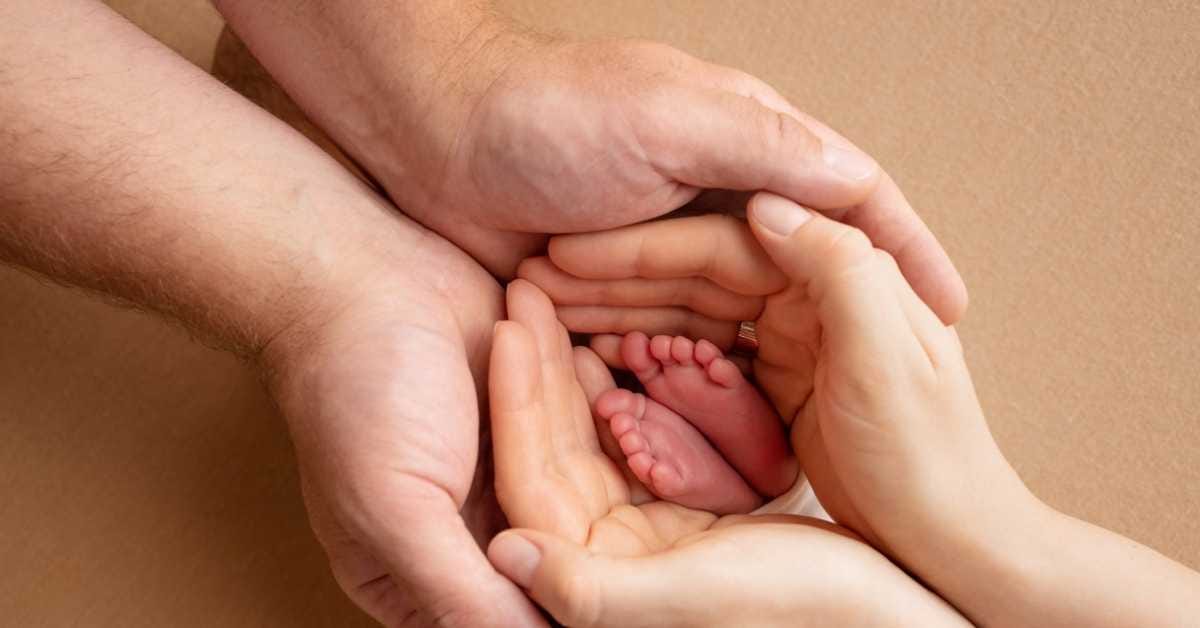
A Danish couple hopes new legislation will make it possible for surrogates to legally carry pregnancies within Denmark. For six years they have waited, saving money and hoping for a chance to start a family at home instead of abroad.
The Danish Dream: Everything Need Know Family Reunification in Denmark
The Danish Dream: Best Private Hospitals in Denmark for Foreigners 


Six Years of Waiting
For Helene Johansen and her partner, Andreas Korfitz Jensen, the journey toward parenthood has been long and emotional. Living in Aalborg, the 31-year-old Helene was born without a uterus, which means she cannot carry a child herself. Even though surrogacy is not completely illegal in Denmark, the law forbids Danish healthcare workers from helping with the fertilization process. As a result, couples like Helene and Andreas are forced to look abroad for help. They have been saving for years, knowing that overseas treatment is both expensive and complicated.Turning to Canada
So far, the couple has been in contact with agencies in Canada where surrogacy is legal and supported by medical professionals. They hope this path might finally make their dream possible. However, that could change soon. The Danish Parliament is set to discuss a citizen proposal that would allow surrogates to be fertilized within Denmark’s medical system. If passed, it would mean couples could stay in Denmark, work with Danish doctors, and rely on the healthcare system they already know and trust. For couples seeking family reunification in Denmark, the emotional and financial strain of travel adds even more complexity.A Danish Model for Surrogacy
The proposal comes after Health Minister Sophie Løhde and other government representatives announced they are ready to explore a Danish model for surrogacy treatment. The idea has gained traction, as more Danes struggle with fertility and limited options within national laws. If approved, the model could make it possible for fertility clinics in Denmark to treat surrogates directly. Families would no longer need to leave the country for medical procedures or rely on private arrangements overseas. For people like Helene and Andreas, it could also allow the surrogate to be part of the child’s life, creating a more natural and transparent relationship.Waiting for a Decision
For now, the couple is cautious. They are holding off on finalizing their Canadian plans until Parliament decides how to move forward. The outcome could determine whether they begin treatment abroad or stay home in Denmark. Like many others in their situation, they say they simply want equal rights. Fertility treatment in Denmark remains accessible only to some, depending on medical criteria and existing regulations. For couples who cannot carry a child for biological reasons, that can feel unfair and isolating.A Broader Debate on Equality
The ongoing debate reflects shifting attitudes toward fertility and gender equality in Denmark. Many people believe that modern medical capabilities should allow families to form in more inclusive ways. Others remain cautious about potential commercial surrogacy or ethical challenges. Whatever Parliament decides, the discussion signals an important shift in the national conversation about what family means in Denmark. The hope among couples like Helene and Andreas is simple. They want the chance to build a family under the same protections, trust, and medical standards as everyone else.Looking Ahead
In the end, the couple’s story mirrors that of many Danes navigating complex reproductive laws. Whether through political reform or international arrangements, they remain determined to begin their family. And if Denmark modernizes its approach to surrogacy, it could open new possibilities for countless others longing to become parents—without leaving home.Sources and References
DR: Helene og Andreas har kæmpet i seks år – nu håber de på dansk rugemorThe Danish Dream: Everything Need Know Family Reunification in Denmark
The Danish Dream: Best Private Hospitals in Denmark for Foreigners