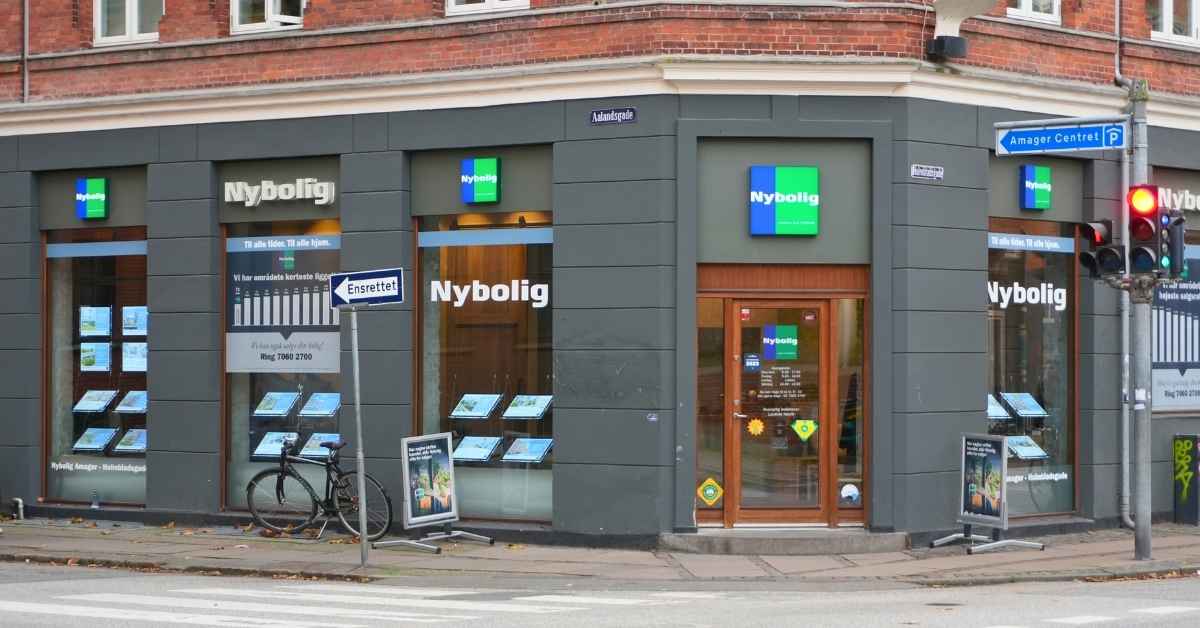
A Copenhagen real estate agent claims to sell up to 80 percent of his properties on Instagram, bypassing traditional listing sites in a trend that’s reshaping how Danes buy homes but raising questions about transparency and access.
Simon Albæk, who works for Nybolig København, has turned his Instagram account into a virtual showroom. He posts short videos and Stories of apartments to his 27,800 followers. According to DR, he estimates that between 70 and 80 percent of his sales now happen through the platform. That’s a sharp break from the norm, where traditional portals like Boligsiden still list over 95 percent of properties.
I’ve watched this shift unfold over the past few years. Denmark’s housing market went through a frenzy between 2021 and 2023, with prices jumping 20 percent. That squeeze pushed agents to find faster ways to match buyers with scarce inventory. Instagram offered speed and a sense of exclusivity that formal listings couldn’t match.
Why Social Media Works in a Tight Market
Copenhagen has only about two months of housing supply on hand right now. Albæk’s approach cuts the usual four to six week sales window down to two. He arranges private viewings and reaches buyers directly, often before properties hit public portals. Other agents like Mikkel Badsberg from Badsberg Mægleri report similar results, claiming Instagram cuts sale time by 30 percent.
The strategy works best for visually appealing properties in central neighborhoods like Østerbro, where prices climbed 8 percent year over year despite a broader market cooldown. Denmark’s statistics bureau reports that 22 percent of buyers under 35 now find homes through social media. That’s a significant share in a country where 2.5 million Danes aged 18 to 44 use Instagram regularly.
The Transparency Problem
But this shift worries consumer advocates and housing economists. Forbrugerrådet Tænk, Denmark’s consumer council, has flagged what it calls FOMO bidding. Buyers rush to make offers without full information, sometimes inflating prices by 5 to 10 percent. Traditional listings require complete data from BBR, the national building registry, including energy labels and structural details. Instagram posts often skip that rigor, linking instead to PDFs or partial disclosures.
I’ve seen firsthand how Denmark’s formal tender system is supposed to level the playing field. Everyone gets the same information at the same time. Instagram sales can bypass that entirely, favoring buyers who happen to follow the right accounts or have insider connections. Complaints about social media sales to Forbrugerrådet jumped 25 percent this year.
Who Gets Left Behind
Housing economist Michael Hyldgaard from Boligøkonomen has warned that social media sales risk overpaying without competitive bidding. First time buyers, who make up 35 percent of the market, are particularly vulnerable. They’re less likely to have networks that alert them to Instagram listings. Student housing seekers face similar challenges when deals happen off public channels.
The law requires transparent pricing under Markedsføringsloven, but enforcement is weak. All sales must still register through Tinglysning for ownership transfer, but by then the price is set. The 2025 EU Digital Services Act is starting to push for clearer ad labeling, but no bans are on the table.
Not Replacing the Old System Yet
Pia Nygaard, a housing economist at Danske Bank, estimates social media accounts for 10 to 15 percent of sales now. She doesn’t think it will replace traditional portals entirely. A 2025 survey by Mæglerforeningen found that 18 percent of agents use Instagram as their primary tool. That’s up from nearly zero five years ago, but still a minority practice.
The trend is real but niche. It thrives in hot pockets of Copenhagen where inventory is tight and buyers are young and digital. Elsewhere in Denmark, especially outside the capital, housing agencies and formal listings still dominate. Sales volumes in Copenhagen fell 12 percent last year to 8,500 units as interest rates climbed. Instagram can’t overcome a cooling market.
What This Means for Expats and Buyers
For expats navigating Denmark’s housing market, this adds another layer of complexity. You already need to understand cooperative versus ownership structures, energy ratings, and the tender process. Now you might also need to follow the right agents on Instagram to even know what’s available. That’s frustrating in a system that’s supposed to pride itself on transparency and equal access.
I don’t think Instagram sales are inherently bad. They reflect a real need for speed in a constrained market. But without better integration of mandatory BBR data and clearer rules, they risk creating a two tier system. One for those in the know and one for everyone else.
Sources and References
DR: Han er mægler i København og sælger de fleste af sine boliger på Instagram