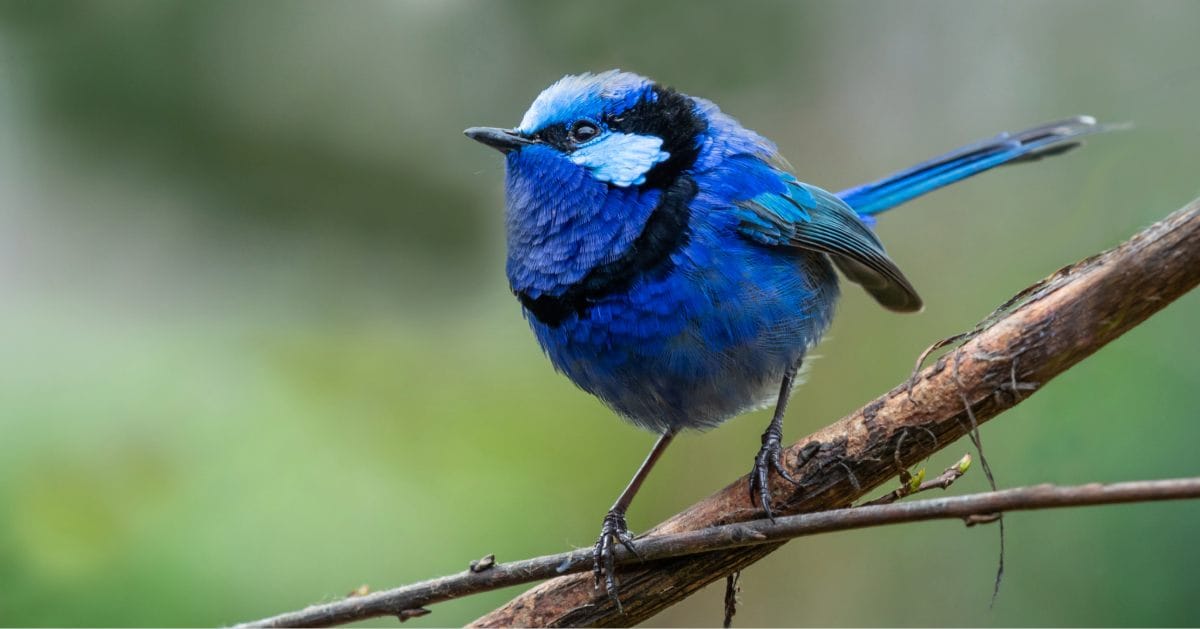
A rare brown-eared bulbul, a secretive East Asian rail, was spotted for the first time in Denmark near Thyborøn on May 8, sparking excitement among ornithologists and raising questions about shifting migration patterns in a warming climate.
The bird was identified by Jens Hansen, a 72-year-old birder who has spent five decades scanning Danish wetlands for rarities. As reported by DR, Hansen said he had waited 50 years for a bird like this. His photos, uploaded to the Danish Ornithological Society app by mid-afternoon, set off a chain reaction among experts and amateur birders alike.
This is Denmark’s first verified record of the species. It joins only 12 other European sightings since 2015, most of them in the UK and Netherlands. For anyone who has spent time in Denmark’s coastal nature reserves, this feels significant. These places are magnets for migrating birds, but an East Asian vagrant showing up here is genuinely unusual.
What It Means for Migration Patterns
The brown-eared bulbul is native to wetlands stretching from Japan to the Philippines. It is not endangered, but it is elusive and rarely ventures beyond its core range. Vagrants appearing in Western Europe are a relatively recent phenomenon. The first British record came in 2015.
Danish ornithologist Peter Bruhn from Aarhus University described the sighting as a once-in-a-lifetime event. As noted by TV2 Nyheder, Bruhn suggested this could signal climate change impacts on bird migration. Warmer winters and shifting jet streams may be enabling more Asian species to survive accidental journeys westward.
Other experts point to possible ship-assisted dispersal via Baltic trade routes. Either way, the sighting fits a broader pattern. Denmark has seen a 300% increase in Asian rail sightings since 2000, according to DOS data. That is a striking shift for a country that logs 20 to 30 mega-rarities each year.
A Window Into Wetland Conservation
The bird was last seen on the morning of May 10 near Thyborøn Klit. Exact coordinates were shared publicly, and within hours, rangers and birders descended on the site. DOS chair Morten Leerberg issued a warning to keep distance, emphasizing that the bird was already stressed as a vagrant.
I have watched this dynamic play out before with rare seabirds in Denmark. The tension between public excitement and ecological responsibility is real. Denmark monitors more than 1,200 wetlands through its DOS program, and disturbance remains a persistent issue. 40% of rarities recorded in recent years have been lost to human interference.
This sighting also highlights the importance of Denmark’s rewilding efforts. Protected coastal reserves received €2.5 million in funding last year, partly driven by public interest in rare species. Events like this can boost support for conservation, but they also bring risks of habitat trampling.
European Context and Climate Questions
Denmark is part of a larger trend. European Birdlife data shows a 15% rise in Asian vagrants to the EU since 2010. Swedish ornithologist Lars Svensson told Birding World that warming jet streams are the key driver. Denmark’s record fits that pattern perfectly.
The brown-eared bulbul is not protected under the EU Birds Directive because it is not native. Denmark’s Nature Protection Act covers general disturbance rules, but there are no specific safeguards for vagrants. Conservationists are pushing for enhanced wetland protections as part of EU Natura 2000 reviews, and sightings like this add urgency.
For expats interested in Denmark’s environmental efforts, this is worth watching. The country has invested heavily in biodiversity monitoring, and rewilding projects are becoming more ambitious. A single rare bird might seem trivial, but it is a data point in a much larger story about ecosystems under pressure.
Sources and References
DR: Sjælden fugl spottet første gang i Danmark – Jeg har ventet i 50 år
The Danish Dream: Thousands of seabirds found dead on Danish shores
The Danish Dream: Denmark begins ambitious national rewilding project
The Danish Dream: Tauros cattle rewilding brings aurochs back to Denmark