
Danish Couple Lost All Mail for 3 Months
A Danish couple in Aalestrup received no mail for three months after DAO’s mapping system incorrectly classified their road, causing all deliveries to be returned until they contacted management directly.


A Danish couple in Aalestrup received no mail for three months after DAO’s mapping system incorrectly classified their road, causing all deliveries to be returned until they contacted management directly.

Three years later, nobody in Denmark’s SVM government will admit who proposed abolishing Store Bededag holiday. Political insiders suggest Finance Ministry officials recycled a 2012 idea as the deeply unpopular decision haunts the coalition.

Danish farmers warn that election debates over pig welfare and water safety are destroying trust and threatening a historic environmental cooperation agreement between agriculture, government, and environmental groups.

Denmark’s remote SMK Thy museum, housed in a converted grain silo overlooking Limfjord, has earned a spot on Time Magazine’s 2026 World’s Greatest Places list as the country’s only entry.

King Frederik and Queen Mary make their first state visit to Australia as monarchs—Denmark’s first royal visit there in 39 years. The historic trip uniquely coincides with Denmark’s election campaign back home.

Climate remains the top priority for Danish voters aged 18-31, with 16% ranking it most important, while older generations prioritize healthcare. The divide echoes 2019’s climate election trends.

Copenhagen Business School received a record 20,099 master’s applications in 2026, yet government policies force it to reject more qualified students despite Denmark facing a projected 16,000 social science graduate shortage by 2030.
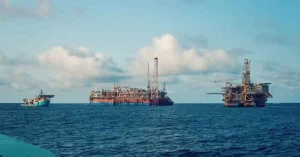
Denmark may extend North Sea oil and gas licenses until 2050 to boost European energy security amid global supply crises and soaring fuel prices, balancing immediate needs with climate commitments.

Ukraine’s grain exports have plummeted 60%, threatening Denmark with higher food prices as drought, war disruptions, and EU trade restrictions create global supply shortages and inflation pressures.

Private credit has exploded to $3.5 trillion globally, but shadow defaults are doubling and liquidity cracks are appearing as yields compress, raising urgent questions about risks lurking in this lightly regulated sector.
