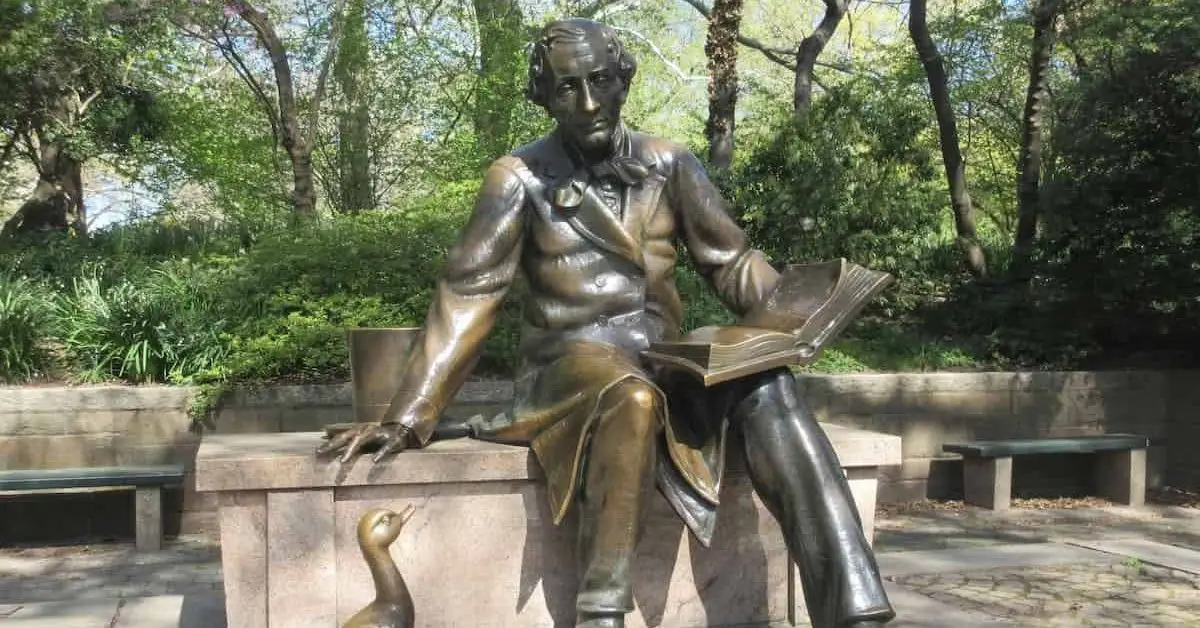
A major digitization project supported by a generous foundation grant will give the world access to hundreds of lesser-known manuscripts, letters, and personal writings by Hans Christian Andersen, Denmark’s most celebrated author. The project aims to preserve and share valuable cultural heritage through advanced digital technology.
Historic Manuscripts Enter the Digital Age
The Royal Danish Library has received a grant of 5.8 million Danish kroner (approximately $830,000 USD) from the A.P. Møller Foundation to digitize a vast archive of unpublished and rarely accessed works by Hans Christian Andersen. While Andersen is globally known for classic fairy tales like “The Little Mermaid” and “The Ugly Duckling,” his literary estate also includes thousands of pages of handwritten manuscripts, letters, diaries, and personal notes—many of which remain inaccessible to the general public.
This ambitious project, titled “H.C. Andersen’s Manuscripts and Letters Online: World Heritage for All,” will begin on September 1, 2025, and is expected to span two years. In total, librarians and digitization specialists will convert 26,260 pages of historical material into high-quality digital formats, ensuring their preservation and widespread availability.
A Window into Andersen’s Private World
Though his fairy tales are world-famous, H.C. Andersen—the 19th-century Danish writer born in Odense in 1805—left behind a rich personal archive offering deeper insight into his thoughts and creative process. The materials slated for digitization include not only literary manuscripts but also personal letters, paper cuttings, and everyday notations. These artifacts shed light on his daily life, his relationships, and his inspirations.
The Royal Danish Library, which holds one of the world’s largest Andersen collections, will lead the digitization program in collaboration with experts in conservation and digital humanities. By digitizing delicate original materials, the project both protects physical documents from wear and opens the archive to a global audience.
Increased Access for Students, Scholars, and the Public
Once digitized, the full archive will be made accessible online, allowing researchers, students, and history enthusiasts from around the world to explore Andersen’s lesser-known works. This democratization of access is especially important in bringing Denmark’s literary heritage to younger generations and to international scholars who might otherwise never view the original documents.
The project also includes the development of advanced digital tools. Pilot studies will test automated transcription technologies—using artificial intelligence to convert Andersen’s 19th-century handwriting into searchable text—and image recognition software to analyze and categorize illustrations and sketches.
Structured metadata will be added throughout the digitization process, making it easier for users to search and navigate the collection. This metadata not only improves accessibility but also supports academic inquiries into Andersen’s writing habits, thought processes, and creative methodology.
Setting a New Standard for Cultural Preservation
The Andersen digitization initiative is positioned to serve as a model for similar efforts worldwide. By incorporating cutting-edge technologies and prioritizing open access, the project is aimed at establishing new best practices for how cultural institutions document, store, and share fragile historical artifacts.
In addition to digital access, the Royal Danish Library plans to mount a series of public exhibitions and events connected to the digitization project. These efforts will include live “letter performances” and interactive displays to help contextualize Andersen’s life and writings for a contemporary audience.
The Importance of Cultural Heritage
With this project, Denmark reaffirms its commitment to preserving and promoting its national cultural treasures. The Royal Danish Library plays a crucial role in this effort as the national library and primary custodian of many of the country’s most important historical texts. Making Andersen’s full archive available to the world not only honors his legacy but also enriches global understanding of 19th-century European literature.
For readers in Denmark and far beyond, the digitization of H.C. Andersen’s unseen letters and manuscripts promises to unveil a new dimension of one of the world’s most iconic storytellers. From classrooms to research centers, this access will spark curiosity and foster learning for generations to come.