Danish nature and wolf-advocacy groups have asked the minister for nature and animal welfare to create closed summer breeding zones for wolves, where the public would be barred from entering.
The call comes from organizations including Foreningen Ulvens og Naturens Vogtere, DR reported on August 21, 2026. The proposal has been sent to Christian Rabjerg Madsen (S), the minister for nature and animal welfare.
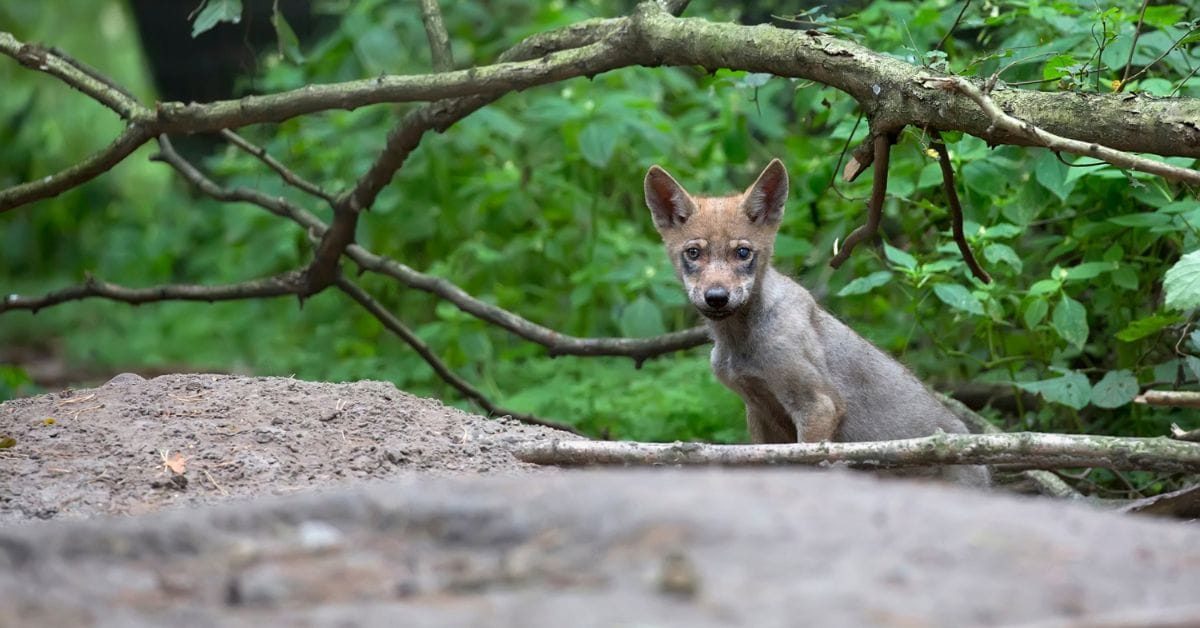
According to DR, wolf pups are typically born in early May, often five or six to a litter. Wolf families then stay in the same area for many months instead of roaming over long distances. The groups say this makes the summer an especially sensitive period.

The association’s chair, Esther Holzendorff, told DR that wolves need quiet while raising pups, comparing the disturbance to that felt by parents of a newborn. She wants rangers to monitor the zones, and sanctions or fines for people who enter anyway. As she put it to DR, humans must learn to coexist with returning wild nature in a sensible way.
Proposal follows North Jutland encounter
The proposal was sent after an adult wolf showed its teeth at a jogger in Bunken Klitplantage in North Jutland while protecting its pup. The Styrelsen for Grøn Arealomlægning og Vandmiljø said the runner encountered a cub and an adult animal, and that experts did not judge the situation dangerous. Authorities recommended that people avoid the area while it was assessed further.
Signs with that recommendation were later put up, DR reports, but the association wants an outright ban instead. In separate reporting, DR noted that authorities later concluded the animal was not a “problem wolf” under EU rules. The Copenhagen Post reported that a new zone was established in response, with the aim of managing the animal and the area more strictly.
Wolf researcher Peter Sunde has previously said that protecting wolves during the breeding season can prevent pups from growing accustomed to people. Senior researcher Kent Olsen, who leads Denmark’s wolf monitoring, told DR that any access restriction must be enforced. Otherwise, he said, mapping a territory could attract more forest visitors hoping to see a wolf.
Olsen said the most sensitive period runs from about April 20 until either July 1 or August 1. In the nearby town of Ålbæk, DR found divided views. Resident Frank Nielsen called a full closure nonsense, while Kim Michael Jakobsen said nature must remain usable by people but that animals were there first.
DR was unable to secure an interview with the minister. In a written response, Rabjerg Madsen said he does not expect the Bunken Klitplantage episode to be repeated elsewhere. He added that he is willing to discuss discouraging access in other wolf breeding areas, and that he is in ongoing contact with authorities and experts.