A new Epinion poll for DR and Altinget puts Dansk Folkeparti at 12.2 percent, the party’s highest level of support since 2019.
The poll, published by DR on August 14, 2026, was conducted between August 5 and August 12. It makes Dansk Folkeparti the largest party in the blue bloc and the second largest in the Folketing, behind Socialdemokratiet.
According to DR, the result marks a gain of more than three percentage points since the general election earlier this year. At that election, Dansk Folkeparti took 9.1 percent of the vote, after coming close to falling out of the Folketing in 2022.
Peter Kofod, the party’s political spokesperson, told DR that he welcomed more Danes seeing Dansk Folkeparti as a good party. He pointed to immigration and to prices on energy and food as the agendas driving the support.

The survey also asked voters about their preferred prime minister. Among blue-bloc voters, 20 percent named party leader Morten Messerschmidt, while 18 percent named Venstre leader Troels Lund Poulsen. Across all voters, Mette Frederiksen leads with 22 percent, with Messerschmidt and Troels Lund Poulsen each at 9 percent.
Kofod would not name Messerschmidt as the blue bloc’s prime minister candidate on the basis of the poll. As reported by DR, he said discussions about who should lead the bloc could be held closer to the next election.
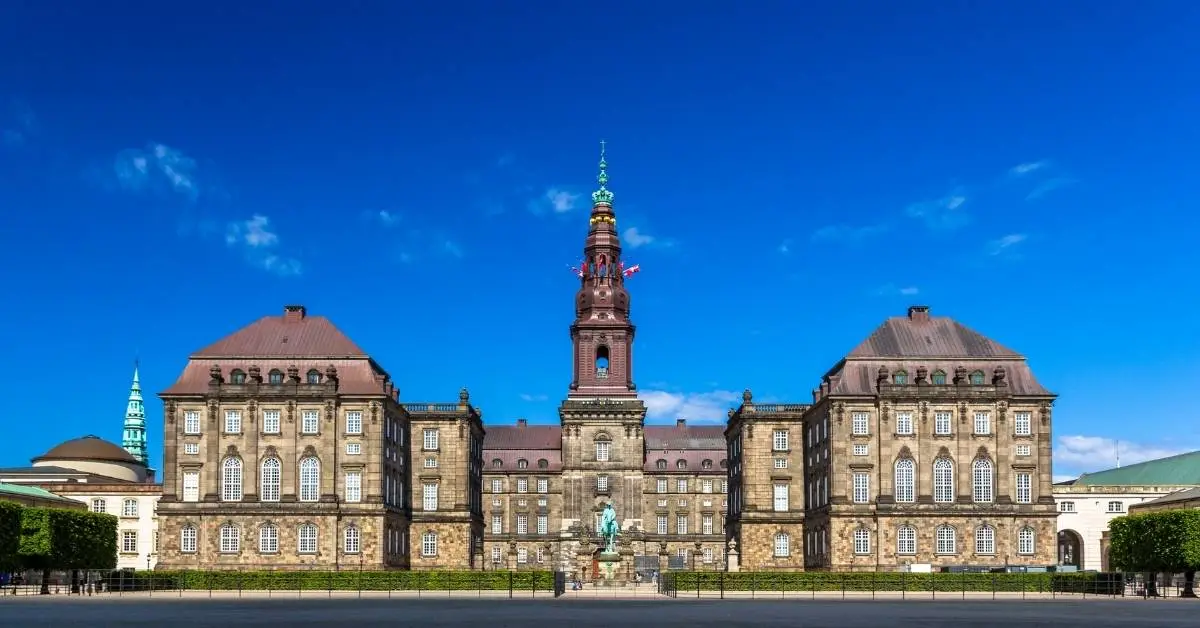
The fieldwork ran during and after critical coverage of Messerschmidt’s meeting with Vladislav Dajković, a party leader from Montenegro who opposes NATO and supports Vladimir Putin. Messerschmidt showed him around Christiansborg and was filmed wishing him success as they shook hands.
Messerschmidt has since said that he did not know the Montenegrin leader’s views. He added that he would be more careful in future about who he shows around the parliament. DR notes that the controversy does not appear to have dented voter support for the party.
Where the new voters come from
The poll indicates that Dansk Folkeparti is drawing voters from Liberal Alliance, Socialdemokratiet and Danmarksdemokraterne. The largest single group comes from Borgernes Parti, led by Lars Boje Mathiesen, with 43 percent of its election voters now saying they would back Dansk Folkeparti.
Kofod said the party does not focus on where new voters come from, and that voters from the right or the left are welcome. Borgernes Parti stands at 0.7 percent in the poll, below the 2 percent threshold for entering the Folketing.
In a written comment to DR, Mathiesen dismissed the figures. He recalled similar polling before the last election, when his party still won seats, and pointed to candidates who he said misled members and then left. Three of the four MPs elected for Borgernes Parti have since left the party and sit as independents.