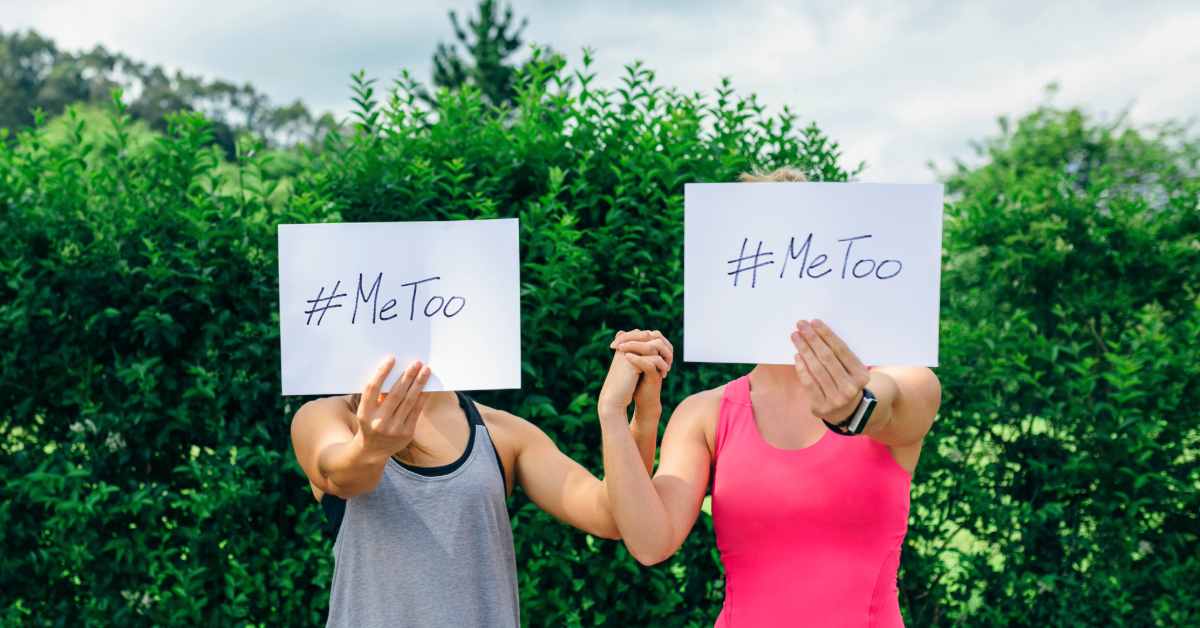
Danish workplaces are raising sexual harassment compensation by about 30 percent and tightening rules on what counts as acceptable banter, forcing expats to navigate a cultural shift from “boys will be boys” to zero tolerance.
I arrived in Denmark seven years ago, lured by the promise of Nordic gender equality and flat hierarchies. Then I watched #MeToo arrive late and land hard. What once passed as Danish workplace humour or “drengerøvskultur” is now officially illegal. Employers are scrambling to catch up.
As recently as 2017, Denmark sold itself as a feminist frontrunner. Yet that year, when Hollywood erupted, Danish institutions stayed quiet. It took until August 2020 for the dam to break. TV host Sofie Linde described being told by a powerful man to perform oral sex to secure her career. Thousands of women in media, politics and academia shared similar stories. Suddenly, Denmark’s egalitarian image cracked wide open.
The law gets sharper teeth
Since January 2019, amendments to the Equal Treatment Act have made it clear that employees do not have to tolerate offensive behaviour just because a workplace has a “casual tone.” Courts now judge conduct as if it occurred in a stricter professional environment. That means the rough banter at Friday bars and Christmas parties no longer gets a free pass.

Compensation is rising too. The typical payout in sexual harassment cases was around 23,700 kroner. Lawmakers want that figure up by 30 percent. The message is simple: harassment will cost you.
A tripartite deal tightens the screws
In 2022, the government and labour market partners signed a three party agreement with 17 initiatives to combat sexual harassment at work. Employers must now integrate harassment into workplace risk assessments. They must train managers and publish annual statistics on cases. For expats, this means more formal protections on paper. In practice, many foreign workers still feel lost.
I have spoken to expats who were unsure whether a manager’s comment crossed the line or was “just Danish humour.” Others worried that reporting harassment might jeopardise their residence permit. Power imbalances hit harder when your visa depends on your job. Trade unions warn that non Danish staff on temporary contracts are especially vulnerable.
Public opinion is split
Research shows Denmark is among the countries most interested in #MeToo, measured by search traffic and media coverage. Yet a TV2 poll from October 2018 found that one in four Danes believed the movement had a negative effect on social interaction. Some critics warn of over correction, arguing that flirting is being pathologised and male managers now fear mentoring young women.

Feminist organisations such as Dansk Kvindesamfund counter that #MeToo exposed systemic problems, not individual bad apples. Hierarchical structures, male dominated networks and Denmark’s heavy drinking culture made it difficult to report harassment without being labelled oversensitive. Especially if you were foreign and supposedly “did not get” Danish culture.
What expats need to know
If you experience or witness sexual harassment in Denmark, document everything. Write down dates, locations, witnesses and save messages. Contact your union or HR representative. Many internationals do not realise they can join Danish trade unions regardless of nationality. Unions like DM, HK and Dansk Journalistforbund offer free legal advice and representation.
You can also bring a case to the Ligebehandlingsnævnet, the Equal Treatment Board. Dansk Kvindesamfund provides information on harassment and consent. If your residence permit is tied to your job, seek confidential legal advice before resigning. The rules on changing employers within certain time frames are complex.
A culture in flux
Denmark is still adjusting. A large national survey called SEXUS 2 launched in April this year to measure Danes’ sexual health and experiences, including unwanted behaviour. Annual workplace statistics may eventually reveal whether expats face higher risks or report less often. For now, the gap between Denmark’s feminist branding and everyday reality remains wide. The laws have changed. The culture is catching up slowly.

Legal cases are testing the new boundaries. Women in Denmark now have stronger protections than ever before. Whether those protections translate into real safety, especially for foreign workers navigating an unfamiliar culture, is still an open question. I remain cautiously optimistic. But I am watching closely.