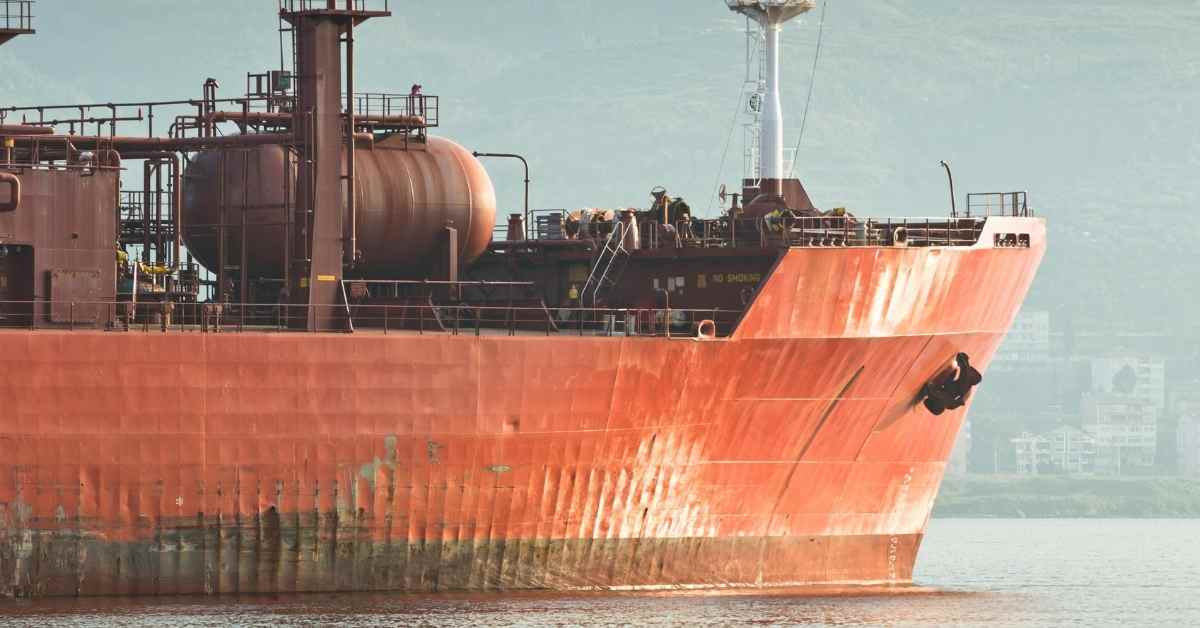
A Danish shipyard on Funen has been servicing Russian-linked LNG tankers throughout the Ukraine war, exploiting a loophole in EU sanctions. New rules from 2026 will finally shut down the work, but the controversy has already damaged Denmark’s reputation.
Fayard, a major yard at Lindø near Odense, has been the last repair facility in the EU to service specialized ice-class LNG tankers carrying Russian gas. Investigations by Danwatch and the Financial Times show the yard has handled at least nine and possibly eleven such vessels since Russia invaded Ukraine in February 2022. The ships are part of the Arc7 fleet that transports millions of tonnes of liquefied natural gas from Yamal LNG, a Russian Arctic project controlled by Novatek and partly owned by sanctioned Russian interests.
The work has been legal because the tankers sail under non-Russian flags and are owned through foreign intermediaries. Current EU sanctions ban servicing Russian-flagged vessels and ships owned by sanctioned entities, but not all LNG carriers transporting Russian cargo under third-country registration. Fayard has insisted it follows EU rules and does nothing illegal.
That defense no longer satisfies Danish politicians or the public. Prime Minister Mette Frederiksen told Berlingske she was astonished that a Danish yard could help a Russian shadow fleet and vowed such assistance must stop. She has urged Brussels to close loopholes and strengthen enforcement. For those of us who have watched Denmark position itself as a green, rule-of-law maritime nation, the gap between rhetoric and reality has been jarring.

The Loophole Closes
The EU’s 20th sanctions package, agreed in late 2025, introduces a ban on servicing vessels carrying Russian LNG in EU ports. The ban takes effect in 2026, with transition details still being finalized. Environmental and Ukraine advocacy groups say the package specifically targets practices like those at Fayard. Danish authorities have signaled they will enforce the new rules and actively support tougher measures against the shadow fleet.
For the hundreds of people employed at Fayard and its suppliers, the end of this business line is not just symbolic. The yard has a turnover in the billions of kroner and provides high-skilled jobs in a region dependent on maritime industry. Some local politicians worry that sudden restrictions will push ship repair work to Turkey, China, or the Gulf without reducing Russian exports.
Why This Matters for Expats
If you work in Denmark’s maritime sector, energy industry, finance, or legal compliance, this case is a warning. Activities that were technically legal in 2024 and 2025 may become sanctionable in 2026. EU authorities are shifting focus from formal ownership to beneficial ownership and de facto control. That means companies must review contracts involving LNG tankers that call at Russian ports or load Russian cargo, even if the ships fly Liberian or Singaporean flags.
International staff at Fayard, at suppliers in the Lindø cluster, or in Copenhagen’s maritime hub should ask employers for clarity on future projects and redeployment plans. Compliance teams need to check vessel IMO numbers against updated EU sanctions lists and monitor guidance from the EU Council, the Danish Business Authority, and the Danish Maritime Authority.
A Broader Pattern
Denmark’s controversy fits a wider European problem. While pipeline imports of Russian gas plunged after 2022, imports of Russian LNG into Europe actually rose. Spain, France, and Belgium have been major buyers, according to EU trade data cited by Danwatch. The Arc7 fleet and ships from the Arctic LNG 2 project continue to navigate the Northern Sea Route north of Russia, bypassing pipeline constraints and maintaining Kremlin revenues.
For expats from Ukraine and Eastern Europe living here, the Fayard case has been a test of whether Denmark is fully committed to isolating Moscow. Critics see the yard’s earnings as indirect financing of Russia’s war, since Yamal LNG contributes significant tax and export revenue to the Russian state. Editor Niels Jespersen of Piopio put it bluntly: he could not fathom that a Danish yard was contributing to Russia’s war.
What Happens Next
The new sanctions mean Fayard’s work on Russian-linked LNG tankers will end from 2026. Whether enforcement will be robust, and whether other yards in Europe will quietly continue similar services, remains to be seen. Denmark’s maritime sector will need to adjust quickly. Some jobs will disappear or move overseas. Others may shift to servicing the growing offshore wind and green-fuel fleets that Denmark wants to champion.
For expats working in shipping, law, or energy here, the lesson is clear. Denmark’s self-image and its actual practices do not always align. The country talks a strong game on climate and solidarity with Ukraine, but enforcement of sanctions and ethical standards has lagged behind the political rhetoric. The Fayard case is a reminder to do your own due diligence, ask hard questions of your employer, and stay on top of rapidly changing EU rules. The loophole is closing, but it should never have been open this long.