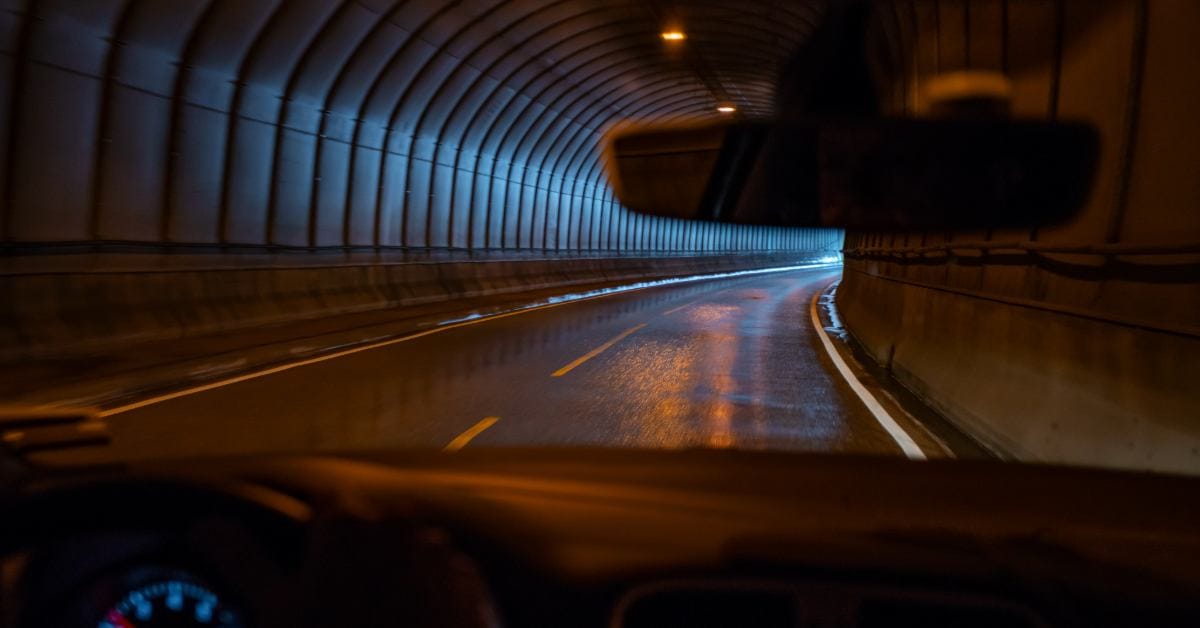
Denmark’s undersea tunnel to Germany is on track to open for trains in 2031, but motorists will have to wait until 2032 due to delays on the German side of the fixed link.
The staggered opening of the Fehmarnbelt tunnel marks yet another delay for a project that was first promised to open around 2020. According to DR, the state‑owned company Femern A/S now expects rail traffic to begin around 2031, with road traffic following a year later. That means a combined road and rail link, the original vision, won’t materialise at the same time.
The reason is straightforward. German road connections from Puttgarden toward Lübeck and Hamburg are not keeping pace with rail upgrades. Denmark has done its homework. The tunnel factory at Rødbyhavn is producing massive concrete elements on schedule. Dredging and immersion work in the Baltic Sea is underway. The Danish side, from motorway to upgraded rail between Ringsted and Rødby, is ready or nearly ready.
Germany struggles with planning and permits
Germany, by contrast, is wrestling with its own complexity. The German side granted main planning approval in 2019, but lawsuits from ferry operators and environmental groups dragged on until 2020. Even after courts largely rejected those challenges, additional environmental requirements were imposed. Natura 2000 protections for harbour porpoises and seabirds demanded new mitigation measures, from bubble curtains to seasonal work pauses.
Those protections are sensible and necessary. But they take time. So do the separate planning processes for road and rail corridors through Schleswig‑Holstein. Rail infrastructure, backed by EU green transport priorities, has progressed faster. Road projects have faced more local resistance and bureaucratic bottlenecks. German planning capacity is stretched thin, a problem visible in infrastructure projects across the country.
A two decade wait
The Fehmarnbelt fixed link was supposed to transform travel between Copenhagen and Hamburg. Denmark and Germany signed the state treaty in 2008. Early Danish parliamentary debates spoke of opening around 2018 to 2020. By 2015, the timeline had slipped to the mid‑2020s. Now we’re looking at 2031 for trains and 2032 for cars, more than two decades after the original promise.
I’ve lived in Denmark long enough to know that infrastructure here usually works. The Copenhagen public transport system is reliable. The Storebælt and Øresund bridges were completed on schedule or close to it. But Fehmarnbelt is different. This time, Denmark controls only the tunnel itself. The success of the whole project depends on German efficiency, and Germany is struggling.
What this means for drivers and freight
For a period, the tunnel may carry only trains. That’s awkward for a project whose economic rationale relied heavily on road toll revenues. Danish motorists’ organisations and some politicians have criticised the delay. The financing model assumes tolls and track fees will repay state‑guaranteed loans over several decades. A later opening for cars pushes back the revenue stream and extends the payback horizon, which was already stretched from an early promise of 30 years to something closer to 40 years.
Freight operators and business groups still support the link. Faster rail service between Scandinavia and central Europe should cut journey times and emissions. The tunnel is a core element of the EU’s Scandinavian‑Mediterranean corridor, backed by hundreds of millions in EU funding. But every delay weakens the business case and tests patience.
Environmental and local concerns
Environmental groups remain sceptical. Construction emissions, disturbance to marine ecosystems, and possible induced road demand may offset some climate benefits. Harbour porpoises in the Fehmarnbelt, already under pressure, face additional stressors from noise and dredging. German courts insisted on strict mitigation, which is the right call but adds complexity and time.
On Lolland, municipalities have bet on the tunnel as a catalyst for development. They’ve planned industrial zones and housing, expecting a boom once the link is fully open. Each postponement complicates those plans. The construction phase has brought jobs, which local leaders want to extend. But the staggered opening creates uncertainty about when full economic benefits will arrive.
In Germany, the debate is more fractured. Residents on Fehmarn worry about heavy traffic and job losses from the ferry industry. Some see the tunnel as a Danish prestige project that Germany is obliged to accommodate. German media often frame the delays alongside other infrastructure failures, from Stuttgart 21 to BER airport, as symptoms of systemic planning problems.
What comes next
Upcoming German planning decisions on road segments and rail upgrades will test whether the 2031 and 2032 dates hold. Any new lawsuits or demands for supplementary environmental studies could push things back further. In Denmark, the focus is on keeping tunnel construction on schedule and within the current cost estimate of around DKK 64 to 65 billion in 2015 prices.
I want this project to succeed. A faster rail link between Copenhagen and Hamburg makes sense for climate and connectivity. But I’ve learned not to take timelines at face value. Denmark has built its part. Now we wait to see if Germany can catch up. The tunnel may be ready in 2031, but whether you’ll be able to drive through it that year depends on decisions being made, or not made, in Kiel and Berlin right now. If public transport in Denmark can improve with better links to Germany, the wait may prove worthwhile. Projects like the Faroe Islands’ tunnel plans show ambition, but execution is everything.
Sources and References
DR: Femern Bælt forbindelsen bliver først brugbar for bilister i 2032
The Danish Dream: Faroe Islands plan epic underwater tunnel project