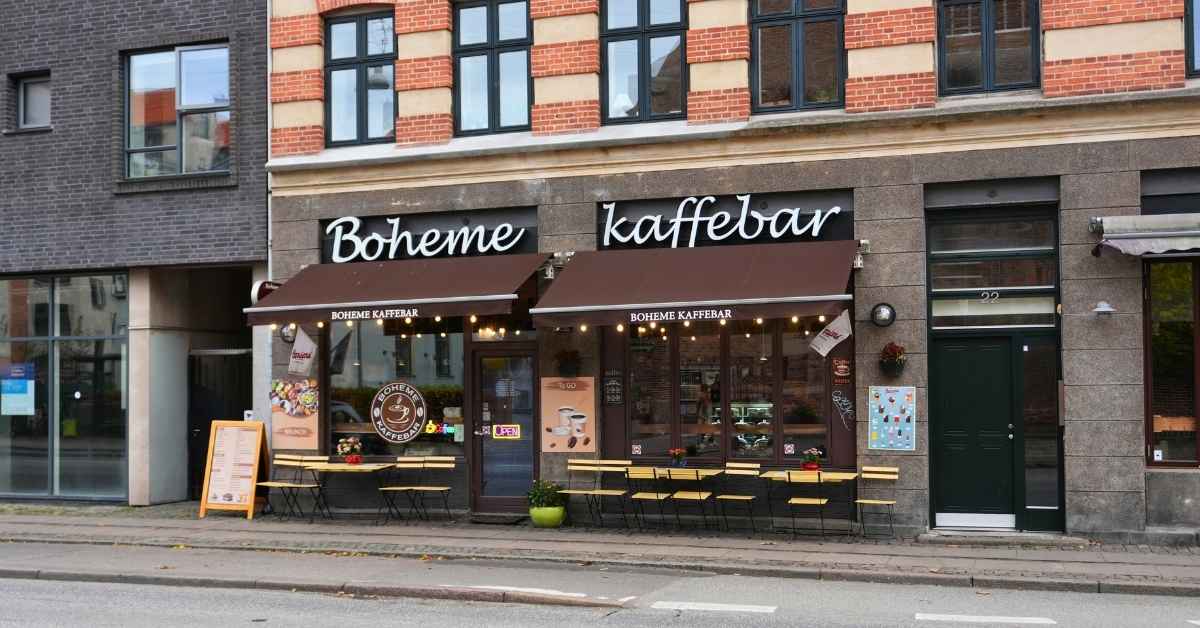
A Danish woman’s claim that her local coffee is the best in the world has sparked debate about what actually makes great coffee, and whether Denmark’s specialty coffee scene has earned the right to make such bold declarations.
The statement came from a Danish woman interviewed by DR about her favorite coffee. She acknowledged her husband would roll his eyes at the claim. But she stood by it anyway.
It is a sentiment I have heard before in Denmark. Coffee here is serious business. Walk through any Copenhagen neighborhood and you will find specialty roasters and cafés that treat beans like fine wine.
The Global Coffee Reality Check
The problem is that the world’s actual best coffee, at least by expert consensus, comes from Panama. Geisha coffee from farms like Hacienda La Esmeralda has dominated international competitions for over 15 years. It commands record auction prices and wins blind tastings among professional judges.
Denmark does not appear anywhere near the top of global coffee rankings. The 2026 list of the world’s 100 best coffee shops includes nine American entries and seven Australian ones. Not a single Danish café made the cut.
Where Denmark Actually Stands
This is not to say Danish coffee is bad. Far from it. Roasters like La Cabra in Aarhus and April Coffee in Nørrebro have built strong reputations. Coffee Collective operates multiple locations and gets mentioned in international guides. Social Café won recognition from Berlingske as Copenhagen’s best back in 2017.
But there is a difference between being good and being the best in the world. Denmark has carved out a respectable niche in the specialty coffee market. It has not conquered it.
The Subjectivity Problem
Part of the challenge lies in how we define best. Coffee preferences are deeply personal. Some value fruity Ethiopian beans while others prefer the smooth profile of Jamaican Blue Mountain. Brazilians often favor chocolate notes while classic café drinkers lean toward Colombian varieties.
Danish specialty coffee tends toward Scandinavian minimalism and careful sourcing. That approach resonates locally but does not automatically translate to global supremacy. The absence of Danish entries in international rankings suggests the domestic focus has limited broader recognition.
What This Reveals About Danish Culture
Living here for years, I have noticed this pattern before. Danes take pride in their café culture and food quality. That pride sometimes manifests as confident declarations that may not align with external assessments.
The woman’s husband rolling his eyes suggests even Danes recognize when enthusiasm outpaces evidence. Yet the willingness to make the claim anyway reflects something authentic about how people here experience their local offerings. Quality matters in Denmark, and residents have high standards.
The Price of Good Coffee
Denmark certainly pays enough for coffee to expect excellence. Coffee prices have soared recently, pushing many shoppers toward cheaper brands. The government has even proposed removing taxes on coffee to ease the burden.
When you are paying premium prices in an already expensive country, perhaps claiming you have the world’s best becomes a psychological necessity. Otherwise you are just overpaying for decent coffee.
The truth likely sits somewhere between the woman’s confidence and her husband’s skepticism. Danish specialty coffee is genuinely good. The attention to sourcing and roasting creates products worth seeking out. But calling it the best in the world requires ignoring considerable evidence to the contrary. That kind of selective vision is understandable when you are holding a cup you truly love. Just do not expect the rest of the world to agree.
Sources and References
The Danish Dream: Danish Cafe Urges Tourists to Respect Staff
The Danish Dream: Soaring Coffee Prices in Denmark Lead Shoppers to Cheaper Brands
The Danish Dream: Danish Government Wants to Remove Taxes on Coffee and Candy
DR: Min mand ville himle med øjnene hvis han hørte mig sige det men det er den bedste kaffe i verden