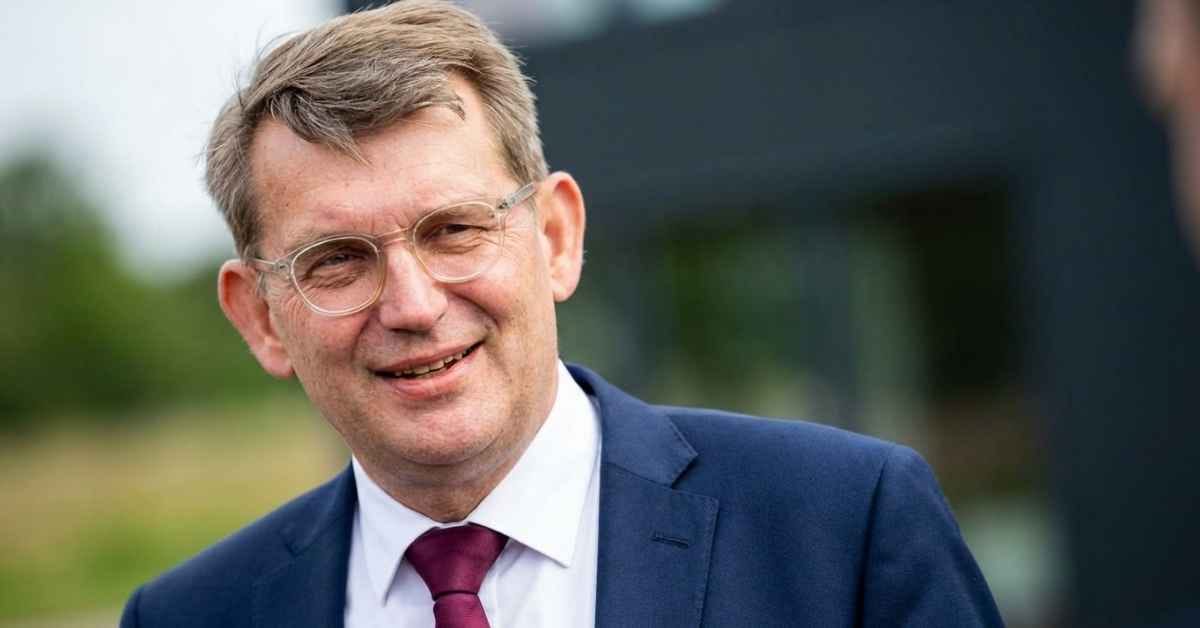
Venstre’s Troels Lund Poulsen is pushing to make a broad centrist government work, the kind Mette Frederiksen has struggled to secure. The move reflects how fragmented Denmark’s political landscape has become.
Denmark’s next government might look stranger than any in recent memory. Troels Lund Poulsen, deputy prime minister and Venstre leader, is keeping open the possibility of a large cross-bloc coalition. That includes combinations that would once have been unthinkable in Danish politics.
As reported by DR, the question is not just about who gets into power. It is about whether Denmark’s traditional bloc system is finally breaking down for good. Parts of the centre-right are weighing whether governing with Socialdemokratiet could provide more stability than a narrow right-wing alternative.
Why this matters now
Denmark’s party system is more fragmented than it was a decade ago. Even if the right bloc wins more seats, that does not guarantee a stable government. The Moderates or Conservatives could insist on influence over the bloc’s direction, making simple arithmetic useless.
The result is a wider range of government types. Minority governments, formal coalitions across the centre, or ad hoc parliamentary support are all on the table. Broad coalitions may be more durable but can also blur accountability and slow decision-making.
Who wants what
Lars Løkke Rasmussen’s Moderates are the most consistent advocates for a five-party centre coalition. According to Berlingske, they appear to be the only party actively pushing for it. For Løkke, breaking bloc politics is both an ideological project and a route to influence.
His party can act as a bridge between Socialdemokratiet and the centre-right. But the strategy carries risks. If it looks too opportunistic, voters who expected clarity may walk away.
Socialdemokratiet has explored broad coalitions before, but Mette Frederiksen’s room for maneuver depends on whether centre-right partners will accept her leadership. Any coalition with Venstre or Conservatives creates internal tensions on immigration, taxes, and fiscal room.
The policy fault lines
Any broad coalition would have to bridge major disagreements. Tax policy, immigration, labour supply, climate, and welfare spending are not minor tactical disputes. They are tied to each party’s identity.
Venstre and Conservatives typically want more market-friendly policies and tighter public spending. Socialdemokratiet prioritizes welfare protection. Moderaterne frame these as practical trade-offs rather than red lines.
Climate policy is especially relevant. Denmark’s 70 percent emissions reduction target by 2030 requires difficult sectoral decisions. Immigration remains another flashpoint because Socialdemokratiet’s restrictive stance is not fully shared by all centre-right partners.
Not just a domestic game
The coalition debate matters beyond Danish parliamentary arithmetic. The next government will shape how Denmark handles EU climate rules, industrial policy, and security cooperation. A broad coalition might ease passage of difficult reforms and provide long-term predictability.
But such coalitions can be slower to react. They may produce watered-down positions in Brussels. Denmark is a small, export-oriented economy, so government credibility matters in European negotiations.
What I see from the inside
Living here for years, I have watched Danish politics become less predictable with each election cycle. The old certainties are gone. Traditional blocs no longer deliver stable majorities, and voters seem less attached to party loyalty than they once were.
Troels Lund Poulsen’s latest move feels less like bold leadership and more like necessity. No one really wants these complicated coalitions, but no one has a better option either. The risk is that voters end up with a government that is stable on paper but unable to act decisively.
If a broad coalition does emerge, it will probably survive longer than a narrow alternative. But it may also struggle to deliver the kind of reforms Denmark needs on climate, welfare capacity, and labour supply. That is the paradox of fragmented politics: more parties at the table, less room to move.
What happens next
There is no confirmed coalition formula yet. The open questions are who will lead, which parties will formally join, and whether a broad arrangement is realistic or just positioning. Until formal negotiations or a post-election mandate become public, this is all political theatre.
But the theatre matters. It reveals how party leaders see their options and how much they trust each other. Trust is the real issue here, not policy alignment. Parties may agree on reforms but still refuse to govern together if they think it will cost them votes.
Sources and References
The Danish Dream: Mette Frederiksen Denmarks Youngest Prime Minister
The Danish Dream: Danish Politicians From Venstre Promise More Affordable Shopping