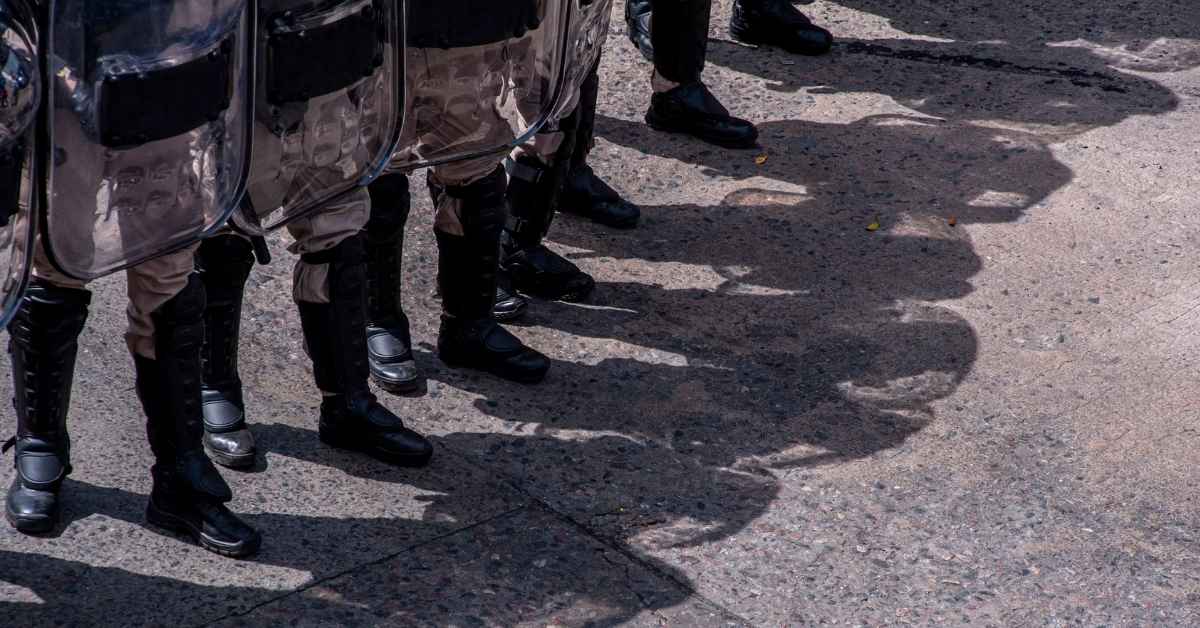
A long-awaited investigation into Danish police practices landed today, and experts warn it could poison public trust in one of the country’s most respected institutions at a time when that trust is already being tested.
The report, as detailed by DR, arrives at a delicate moment for Denmark. Just a day after an inconclusive election left no clear government in sight, questions about institutional credibility are hitting harder than usual. The timing could not be worse for a country that prides itself on being one of the world’s highest trust societies.
Trust Under Pressure
Denmark’s trust levels remain enviable by global standards. OECD data from 2023 shows 69% of Danes trust the police, well above many peer countries. Courts score even higher at 75%. But trust in government sits at just 44%, and trust in political parties hovers at the bottom of the institutional ladder.
I have watched this dynamic play out for years here. Danes trust their public servants but increasingly doubt the politicians who oversee them. When an investigation questions police conduct, it does not just threaten one institution. It risks undermining the broader social contract that keeps this country running with minimal friction.
The police occupy a special place in Danish society. They are visible, accessible, and mostly non-threatening. You see them cycling through Copenhagen neighborhoods or chatting with locals at the train station. They embody the kind of everyday trust that makes Denmark function without the bureaucratic overhead common elsewhere.
Election Fallout Meets Institutional Scrutiny
Last Tuesday’s election delivered a fragmented parliament. Mette Frederiksen’s Social Democrats dropped from 27.5% in 2022 to just 21.9% this time. Neither left nor right secured a majority. Coalition talks are grinding forward with no resolution in sight.
The campaign focused on cost of living, taxes, welfare, and immigration. Voters made it clear they want results on kitchen table issues, not geopolitical posturing. Even Frederiksen’s boosted profile from standing up to Trump over Greenland could not overcome domestic economic anxiety.
Now add a damaging police report to that volatile mix. When people already feel squeezed financially and politically unheard, revelations about institutional failings hit differently. The OECD notes that 44% of Danes believe the political system gives people like them a say, compared to just 30% across the OECD. That number could shrink if trust continues taking hits.
Expat Perspective on a Fragile Balance
Living here as an expat means watching this trust dynamic from both inside and outside. You benefit from it every day, from leaving your bike unlocked to knowing that if you need legal help or encounter police, systems generally work. But you also see how quickly Danes react when institutions fall short of their high expectations.
The gender gap in government trust tells part of the story. Men report 51% trust while women sit at just 37%. That 14 point gap suggests trust is not evenly distributed even in this supposedly egalitarian society. When you dig deeper, cracks appear in the smooth surface.
During COVID, Denmark maintained higher trust in government and health authorities than Sweden, where politicization happened earlier. That edge came from technocratic, non-partisan crisis management. But the 2026 election shows how fast voters can turn when they feel their economic concerns are being ignored.
What Comes Next
The police investigation’s findings will ripple through ongoing coalition talks. Any new government will need to address not just the specific issues raised but the broader erosion of confidence in institutions. Immigration policy, welfare reforms, and climate targets like proposed pig farming restrictions all depend on public trust to implement effectively.
Denmark still scores above OECD averages on most trust metrics. Courts and police remain strong. But the margins are narrowing. When you are dealing with immigration questions or other interactions with authority, you feel that tension more acutely. The system works until suddenly it does not, and then the fall from grace is steep.
As someone who has covered this country through multiple election cycles and crises, I recognize the pattern. High trust is Denmark’s invisible infrastructure. Damage it, and everything else becomes harder. The police report may be the catalyst that forces a genuine reckoning with how much stress that infrastructure can take before something breaks.
Sources and References
The Danish Dream: Top Law Firms Copenhagen
The Danish Dream: Best Danish Lawyer for Foreigners
The Danish Dream: Danish Immigration Lawyer
DR: I dag landede længeventet undersøgelse af politiet: Det er gift for vores tillid til autoriteter