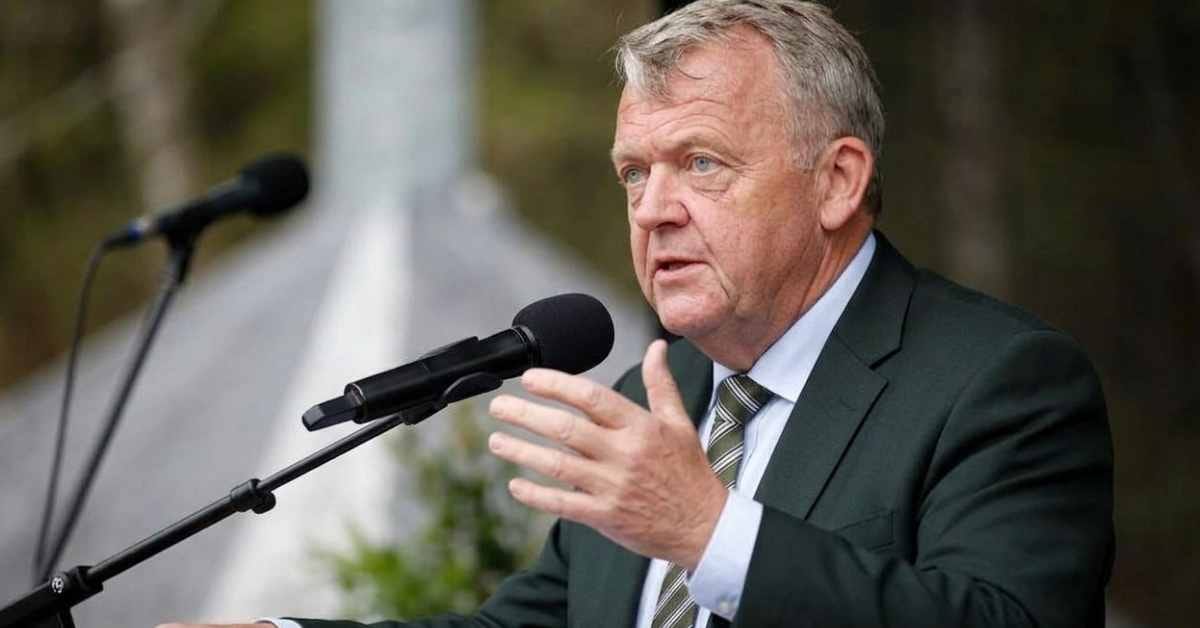
Lars Løkke Rasmussen faces accusations of breaking a major political promise by allegedly planning to sell a ministerial car, raising fresh questions about the Moderaterne leader’s credibility as his party struggles in the polls.
The controversy centers on what critics are calling a massive breach of trust. According to DR, Løkke’s potential sale of an official vehicle contradicts previous commitments. The headline provocatively suggests he would sell his own grandmother a ministerial car, capturing the cynicism many Danes now feel toward the former prime minister.
This comes at a brutal time for Moderaterne. The party faces political extinction, hovering dangerously close to the two percent parliamentary threshold. For a politician who once led Venstre and served as prime minister, watching his centrist project collapse has to sting.

The Promise and the Problem
Ministerial cars occupy a peculiar place in Danish political culture. They represent state privilege in a society that prides itself on egalitarianism. When politicians make promises about official perks, voters remember. Breaking those promises feeds into a narrative that Løkke has fought for years: that he’s more interested in power than principle.
I’ve watched Løkke navigate Danish politics long enough to recognize his pattern. He positions himself as the pragmatic bridge builder, the adult in the room. But pragmatism starts looking like opportunism when you keep changing positions. This alleged promise break fits that pattern perfectly.
Political Fallout
The timing makes this worse. Moderaterne was supposed to offer a stable alternative between left and right blocs. Instead, the party appears increasingly irrelevant. Løkke’s recent attacks on immigration proposals haven’t revived his fortunes. Neither has his hint at another prime ministerial comeback.
Voters tolerate many things from politicians. What they struggle to forgive is hypocrisy, especially about money and privilege. In Denmark, where transparency and accountability form cornerstones of political life, this matters even more. The country’s political culture demands consistency between words and actions.
Broader Context
This controversy highlights a deeper issue in Danish politics. Center parties are dying across Europe. Voters increasingly choose ideological clarity over compromise. Løkke bet his political future on Danes wanting moderation. That bet isn’t paying off.
For expats like me, this offers a window into how Danish democracy works. Politicians here face intense scrutiny over details that might seem trivial elsewhere. A ministerial car becomes a symbol of trustworthiness. A broken promise becomes a character referendum.
The irony is thick. Løkke has survived numerous scandals during his long career. He weathered criticism over luxury vacations and questionable expenses. He rebuilt his reputation after stepping down as Venstre leader. But this time feels different.
What Happens Next
Moderaterne needs to reverse its decline fast. The next election could wipe the party from Folketinget entirely. Løkke knows this. His political survival depends on rebuilding trust, which this controversy directly undermines.
Whether the car sale actually violates a specific promise matters less than the perception. Danish voters have decided Løkke promised one thing and delivered another. In politics, perception becomes reality. For a party already on life support, that perception could prove fatal.
Sources and References
DR: Er Løkke på vej mod kæmpe løftebrud? Han vil sælge sin gamle bedstemor en ministerbil
The Danish Dream: Lars Løkke slams extreme immigration proposals
The Danish Dream: Lars Løkke’s party faces political extinction
The Danish Dream: Lars Løkke’s surprise hint at comeback as Prime Minister