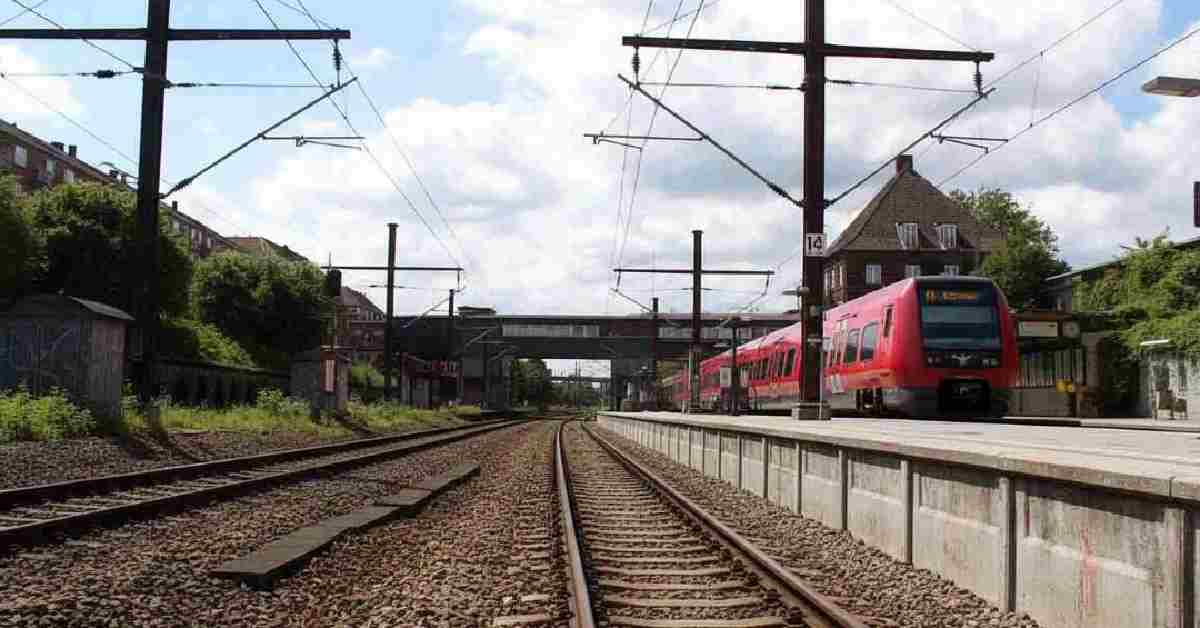
Denmark’s regional rail ambitions hit a budget wall. New battery trains need upgraded tracks that could cost billions, and Region Zealand wants the state to foot the bill for infrastructure that should have been modernized decades ago.
I’ve watched Denmark talk about green transport for years. The rhetoric is beautiful. The execution gets messy when someone has to write the check.
Battery Trains Need Better Track
According to DR, Region Zealand is preparing to send a billion kroner bill to the state government. The region ordered new battery powered trains to replace aging diesel stock on non electrified lines. Smart move for the climate. But the trains can’t run at full capacity on tracks built for slower, lighter equipment.
The infrastructure simply wasn’t designed for modern rolling stock. Battery trains are heavier than their diesel predecessors, and they’re built to travel faster. Old rail bed, aging sleepers, and worn ballast weren’t part of the green transition plan until someone actually checked the engineering specs.
Who Pays for Decades of Deferred Maintenance
This is where Danish transport politics gets predictably circular. The region argues that track infrastructure falls under state responsibility. They bought the trains. The state should upgrade the rails. As reported by DR, regional officials plan to forward the upgrade costs to Copenhagen, framing it as basic infrastructure maintenance that should never have been their problem.
It’s technically correct. Banedanmark, the state railway authority, owns and maintains most rail infrastructure in Denmark. But budgets are finite, and every region has a wishlist. The battery train situation exposes something I’ve seen repeatedly here: Denmark makes ambitious climate commitments, then discovers the bill for actually implementing them.
The Real Cost of Going Green
The financial standoff matters beyond regional budget fights. Denmark committed to phasing out diesel trains and expanding public transport as part of its climate goals. Battery trains represent one solution for lines where full electrification costs too much. But if every region ordering new equipment discovers their tracks need billions in upgrades, the national rail modernization timeline collapses.
Region Zealand isn’t alone in this bind. Other regions looking at battery technology or electric trains will face identical infrastructure questions. The pattern will repeat unless the state commits real money to systematic track upgrades across the country, not just piecemeal responses to immediate crises.
What This Means for Riders
For anyone commuting on regional lines, the immediate impact is delay and uncertainty. New trains sitting in depots because tracks can’t handle them means continued reliance on older, less reliable diesel stock. The promise of faster, cleaner public transport gets pushed further into the future.
I’ve ridden those regional lines. They’re slow. They break down. Passengers have heard promises about upgrades for years. This latest chapter, where shiny new battery trains can’t actually run properly, feeds the cynicism that nothing ever really changes despite the endless planning documents and press releases.
The broader question cuts deeper. Denmark positions itself as a climate leader, and in many ways it is. But leadership requires following through on infrastructure investment, not just ordering new equipment and hoping the old systems can handle it. The battery train situation in Zealand is a test case for whether Danish climate ambitions can survive contact with budget realities and bureaucratic turf wars.
If the state won’t fund necessary track upgrades, regions will stop ordering new trains. If regions insist on new equipment without coordinating infrastructure needs, the country ends up with expensive trains running on inadequate track. Either way, the green transition stalls while politicians argue over who pays.
Sources and References
DR: Nye batteritog kører på gamle skinner: Region vil sende milliardregning videre
The Danish Dream: Copenhagen Public Transport
The Danish Dream: Council Pushes for Equal Transport Access Nationwide
The Danish Dream: Public Transport in Denmark Could Face Increased Interest with Reduced Prices