A secret letter and a party leaders’ meeting at former Prime Minister Lars Løkke Rasmussen’s home broke weeks of deadlock in Denmark’s budget negotiations. The breakthrough announced April 27 involves eight parties and aims to cut DKK 15 billion while protecting core welfare programs. But the devil lives in details still under wraps.
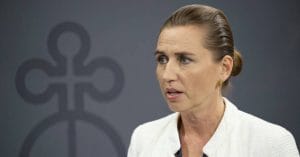
I have watched Danish political theater long enough to know that breakthroughs often arrive wrapped in vague promises and sealed envelopes. This one came after DR reported that Løkke gathered party leaders on April 26 at his residence, bypassing the usual Christiansborg posturing. A letter with “konkrete forslag” reached Prime Minister Mette Frederiksen shortly after. She confirmed its receipt, and suddenly eight parties were talking again.
The stakes could not be higher. Denmark’s fiscal deficit hit 3.2 percent of GDP in 2025, breaching the EU’s three percent limit under the Stability and Growth Pact. Brussels warned Copenhagen in February about compliance, tying future funds to fiscal discipline. Frederiksen’s minority Socialdemokratiet government needs this deal to pass a 2026 budget and show Europe that Denmark still plays by the rules.
Why the Talks Stalled
Negotiations launched in January after the October 2025 election left Frederiksen dependent on ad hoc support from across the political spectrum. The government proposed raising the retirement age to 68 by 2030 as part of cutting DKK 20 billion from spending. Left-wing parties balked. Enhedslisten called it neoliberal surrender. Dansk Folkeparti worried about welfare erosion. By March, talks had collapsed entirely.
Løkke stepped in as the adult in the room. The former prime minister leads Moderaterne now, positioning himself as a centrist broker who can summon rivals to his living room and make them listen. As he put it after the meeting, he may no longer be a party leader, but he can still bring people together. That kind of power does not appear on any ballot.
What the Deal Promises
The agreement targets DKK 15 billion in savings, with ten percent coming from administrative cuts and forty percent from welfare adjustments. Exactly what those adjustments mean remains unclear. The full text is expected May 5, with a Folketing vote by June 15. According to government projections, the cuts should bring the deficit down to 2.8 percent by 2027, satisfying EU demands while preserving free healthcare and education.
Jakob Ellemann-Jensen from Venstre secured promises of DKK 5 billion in middle class tax relief. Pernille Blume from DF got assurances on welfare spending caps. But Enhedslisten remains unconvinced, warning that compromises will hurt low-income workers hardest. The labor union LO estimates 1.2 million people will be affected by pension changes, calling the deal a threat to the welfare model.
The Expat View
Living here long enough teaches you that Denmark’s flexicurity system bends but rarely breaks. This deal feels like another example. The pension debate echoes the mink scandal, where Frederiksen weathered a crisis by outlasting critics. She is betting that fiscal responsibility will matter more to voters than left-wing complaints when the next election rolls around in 2027.
For expats, the implications depend on what “welfare adjustments” actually mean. If cuts target integration programs or education funding for non-Danish speakers, the impact will be direct. If they focus on pensions for retirees, younger immigrants might barely notice. Either way, the emphasis on economic stability over social expansion signals that Denmark is tightening its belt, not loosening it.
What Could Still Go Wrong
Liberal Alliance and Dansk Folkeparti must ratify the final text. If either balks, the government could face election calls. European media like Politico are already comparing this to Dutch coalition struggles in 2025, where centrist brokers stabilized fragile governments. Denmark’s 42 percent government approval rating as of April 25 suggests public patience is thin.
CEPOS economists praised the deal’s realism, arguing it averts recession risks. Business lobby DI called it essential for predictability. But Rockwool Fonden warned of long-term inequality if pension tweaks hit the working class hardest. The breakthrough may have arrived, but implementation is where deals either deliver or dissolve. Denmark has a tradition of cross-bloc pragmatism. This week proved it is still alive. Whether it survives the fine print is another question entirely.
Sources and References
DR: Et partiledermøde hos Løkke og et hemmeligt brev til Mette Frederiksen: Sådan kom der gennembrud