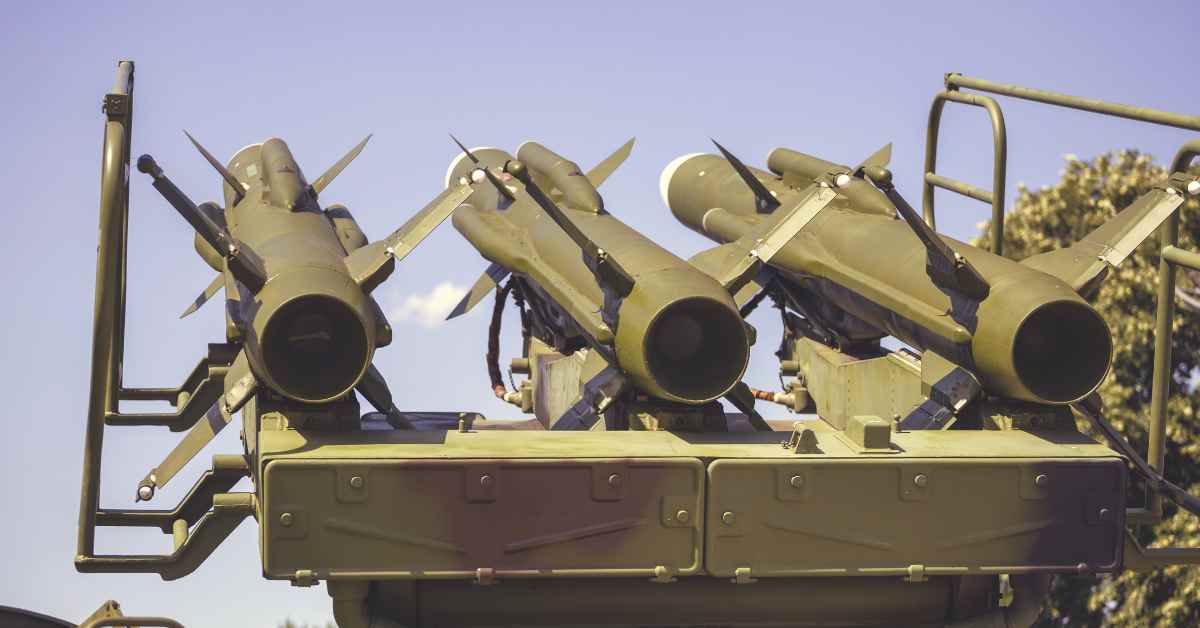
Iran’s reliance on advanced weapons as a strategic deterrent has sparked fresh debate among security experts, with analysts describing the arsenal as the regime’s ultimate safeguard against external threats. The assessment comes as regional tensions continue to simmer, raising questions about stability in the Middle East and Europe’s role in containing escalation.
I’ve watched Denmark navigate Middle East policy for years now, and the conversation around Iran never gets simpler. It only gets more layered, more uncomfortable, and more urgent. The latest expert analysis, as reported by TV2, describes Iran’s advanced military capabilities as a form of life insurance for the regime, a metaphor that captures both the defensive posture and the inherent threat these weapons represent.
The concept is straightforward enough. Iran has developed and maintained sophisticated weaponry, including missile systems and potentially nuclear capabilities, not primarily for aggression but as a guarantee against regime change. As noted by security experts, these weapons function as a deterrent, a red line meant to dissuade adversaries from attempting the kind of interventions that reshaped Iraq and Libya. For Tehran, the arsenal is existential insurance in a region where governments have fallen and borders have been redrawn.
The Deterrence Dilemma
From a Danish perspective, this presents a familiar problem. Copenhagen has long walked a tightrope between supporting international non-proliferation efforts and maintaining pragmatic engagement with Middle Eastern states. Denmark participates in EU sanctions against Iran, backs diplomatic channels like the now-strained nuclear agreement, and contributes to regional security initiatives. But the reality on the ground keeps shifting faster than policy can adapt.
What strikes me after years here is how little public debate this generates compared to other foreign policy issues. Danes are vocal about Israel and Gaza, about NATO commitments, about refugee policy. Iran’s weapons program, by contrast, tends to surface only when experts sound alarms or when the United States makes a move. That disconnect matters because European security is increasingly tied to Middle Eastern stability, and Denmark is more exposed than many Danes realize.
Regional Implications and European Exposure
The expert assessment underscores a broader strategic concern. If Iran views its weapons as non-negotiable insurance, then diplomatic efforts to roll back those capabilities face structural obstacles. Tehran won’t surrender what it sees as its survival mechanism without ironclad security guarantees, guarantees that no Western power has proven willing or able to provide. This leaves Europe, and Denmark by extension, in a holding pattern, managing tensions rather than resolving them.
The metaphor of life insurance is apt in another way. Insurance only pays out when disaster strikes. Iran’s weapons may deter direct military action, but they also invite asymmetric responses, including cyberattacks, economic pressure, and proxy conflicts. Denmark has felt these ripples before. Israeli arms firms operate in Copenhagen, hosting defense expos that draw protests and media scrutiny. Danish shipping lanes run through waters where Iran has demonstrated its willingness to seize vessels. These are not distant problems.
For expats living here, the stakes can feel abstract until they’re not. Denmark’s integration into European defense structures means its policies and exposure shift with broader geopolitical currents. The country’s relatively small military footprint doesn’t insulate it from the consequences of escalation in the Gulf or the Levant. If anything, Denmark’s reliance on international trade and its outsized diplomatic ambitions make it more vulnerable to disruptions in regions it has limited power to influence.
What Comes Next
The expert framing of Iran’s weapons as life insurance suggests a stalemate more than a strategy. Tehran holds onto its deterrent, Western powers maintain sanctions and surveillance, and the cycle continues until something breaks. Whether that break comes through renewed diplomacy, military miscalculation, or internal Iranian political shifts remains uncertain. What is certain is that Denmark, like the rest of Europe, has no clean exit from this dynamic.
I don’t expect Danish policy to shift dramatically in response to this latest analysis. Copenhagen will continue supporting multilateral frameworks while quietly hedging its bets. But the conversation is worth having more openly, especially as debates over Middle Eastern actors spill into cultural and economic arenas. Iran’s weapons are life insurance for the regime. For Europe, they’re a reminder that stability in the Middle East remains fragile, and Denmark’s insulation from that fragility is thinner than many assume.
Sources and References
TV2: Iran bruger supervaaben som livsforsikring, siger ekspert
The Danish Dream: Majority of Danes Oppose Israel’s Gaza Offensive
The Danish Dream: Israeli Arms Firms Spark Controversy in Denmark Expo
The Danish Dream: EBU to Vote on Israel’s Eurovision Future