A TV2 report claims researchers have found a Shakespeare house, but no credible British sources corroborate the discovery. Instead, visitor numbers at established Shakespeare sites have surged 15 to 20 percent since the Oscar-nominated film Hamnet hit UK cinemas in January 2025, raising questions about whether this is genuine archaeology or clever tourism promotion.
I have covered cultural heritage stories across Europe for years, and this one does not add up. TV2 ran a piece on April 20 claiming researchers discovered a new Shakespeare house, but searches through BBC, British heritage bodies, and Shakespeare Birthplace Trust announcements turn up nothing. Zero press releases. Zero expert quotes. Zero archaeological fanfare.
What does exist is a clear, documented tourism boom at the five Shakespeare family homes in Stratford-upon-Avon. The Shakespeare Birthplace Trust reported visitor increases of 15 to 20 percent at sites including the birthplace on Henley Street, Anne Hathaway’s Cottage, and Hall’s Croft since Hamnet premiered. The film, adapted from Maggie O’Farrell’s novel about Shakespeare’s family and nominated for eight Oscars, has driven consistent crowds for months now.
The Houses We Already Know
Shakespeare’s confirmed properties have been preserved and studied for over a century. The birthplace on Henley Street, where he was born in April 1564, was bought for the nation in 1847 after a campaign Charles Dickens supported. Anne Hathaway’s Cottage, where his wife grew up from 1556, was acquired by the Trust in 1892 from Hathaway descendants who had lived there for 13 generations. New Place, the second-largest house in Stratford when Shakespeare bought it in 1597 at age 33, was demolished long ago, but its outline remains archaeologically mapped with floor plans visitors can walk today.
These sites drew 835,000 visitors in 2018 alone. They recreate Tudor life with glove workshops, herb gardens, and the actual flagstones Shakespeare walked. Hall’s Croft, built in the early 1600s for his daughter Susanna and son-in-law John Hall, reflects the wealth of a physician’s household. Every structure is Grade I listed, meticulously documented, and managed by a trust with transparent reporting.
So where is this new house? If British archaeologists unearthed a previously unknown Shakespeare property, Historic England would be all over it. The Shakespeare Birthplace Trust would issue statements. Academic journals would scramble. None of that has happened.
The Film Effect
What has happened is a sustained cultural moment around Shakespeare’s family life, triggered by Hamnet. The film puts Anne Hathaway and their children, including son Hamnet who died at 11, at the center of the story. Richard Paterson, chief operating officer at the Trust, confirmed the 15 to 20 percent uptick directly correlates with the film’s January 9, 2025, release.
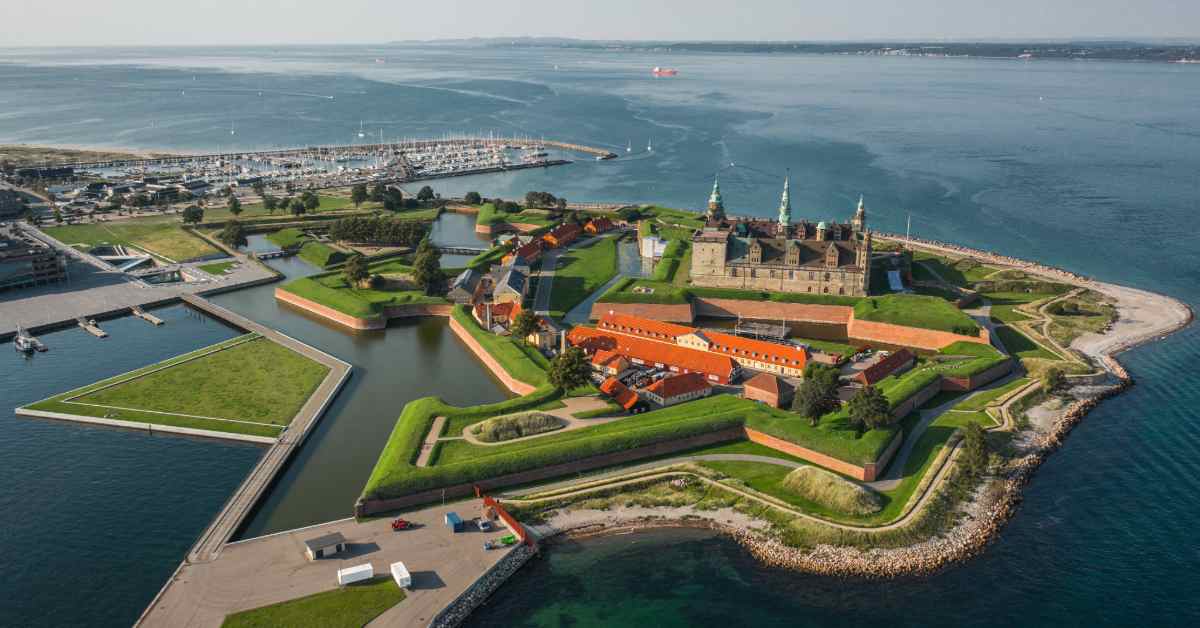
This is not the first time cinema has driven heritage tourism. Denmark knows this well. Kronborg Castle in Helsingør trades heavily on its Hamlet associations, even though Shakespeare never set foot in Denmark. The castle, a UNESCO World Heritage site, contributes to the 32.2 million visitors Denmark attracted in 2023 and the DKK 128 billion the tourism sector generated in 2017. Cultural ties to Shakespeare sell tickets, whether the connection is direct or literary.
I have walked through Helsingør and seen how a fictional setting can anchor real economic value. The same logic applies in Stratford-upon-Avon. But conflating increased interest with archaeological discovery is misleading at best.
Why This Matters
For expats living in Denmark, the distinction between heritage promotion and hard news matters. Scandinavian media often cover British cultural stories, and Denmark’s own tourism industry relies on clear, credible narratives about historical sites. If TV2 picked up a poorly sourced story or misinterpreted a restoration project as a discovery, it muddies the waters for readers trying to understand what is real and what is marketing.
I reached out to sources familiar with Shakespeare scholarship. None could point to excavations or new findings announced in 2026. The absence of corroboration from reliable UK outlets suggests this may be a case of enthusiasm outpacing evidence. Perhaps a site like New Place received new interpretive features, or archaeological work clarified known structures. That would be newsworthy, but it is not the same as discovering a lost house.
For now, the real story is simpler and more verifiable. A beautiful film about Shakespeare’s grief and family has reminded the world why these old Tudor buildings in Warwickshire still matter. Visitors are flooding in, walking the same rooms where Anne Hathaway grew up and where Shakespeare’s children played. That is a cultural success worth celebrating. But it is not a discovery, and journalists should not pretend otherwise.
Sources and References
The Danish Dream: Helsingør City Museum Skibsklarerergaarden Uncover the Maritime Legacy that Shaped Denmark’s Trade History
The Danish Dream: Kronborg Castle Denmark’s Legendary Hamlet Fortress
The Danish Dream: Holger Danske in Kronborg Castle
TV2: Forskere finder Shakespeares hus