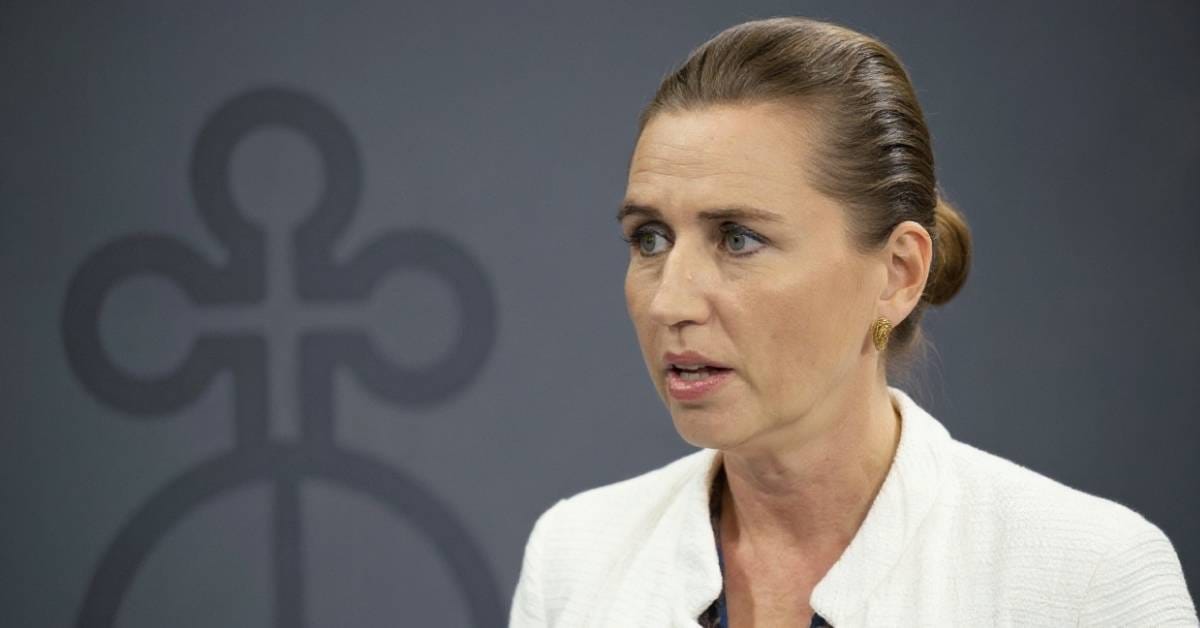
Prime Minister Mette Frederiksen told political parties on April 17 they need to “bite more into the bun” as budget negotiations for 2027 remain deadlocked. The colorful Danish metaphor, borrowed from a traditional game where kids eat hanging pastries without using their hands, signals her growing impatience with coalition partners who can’t agree on welfare spending and tax cuts. With a summer deadline looming and Denmark’s minority government structure demanding constant compromise, the stakes are high.
I’ve watched Frederiksen navigate Denmark’s notoriously fragmented parliament since she became prime minister in 2019. Her latest frustration isn’t new. It’s the same dance she’s performed for years, only now the music is getting faster and the floor more crowded.
The Stalled Negotiations
As reported by TV2, Frederiksen told journalists that parties must compromise more if Denmark wants a functioning budget. The 2027 state budget talks, which restarted in March, have hit the usual roadblocks. Her Social Democrats want welfare protections maintained. Lars Løkke Rasmussen’s Moderates and Jakob Ellemann-Jensen’s Venstre demand spending cuts and tax relief in return for their support.
The minority government Frederiksen formed after the 2022 election requires exactly this kind of horse trading. But there’s impatience in her voice now that wasn’t there before. The metaphor she chose, “bide til bolle,” captures the messiness perfectly. It’s a Fastelavn tradition where you hang pastries on strings and kids try to eat them without hands, faces covered in cream and crumbs. It’s awkward. It’s ungraceful. But you get the job done.
Why This Matters Now
Denmark’s budget deadline falls in June 2026. Miss it, and the country risks breaching EU fiscal rules that require deficits stay under 3% of GDP. Denmark’s deficit stood at 2.5% in 2025, uncomfortably close to that line. The stakes aren’t just domestic. Europe watches when consensus-driven Denmark can’t get its act together.
Living here as an expat, I’ve learned that Danes pride themselves on their negotiation culture. The “Danish model” supposedly ensures everyone gets heard. But when that model produces gridlock instead of results, voters get tired. They see politicians talking endlessly while food prices climb and public services strain.
The current impasse reflects ideological divides that won’t disappear with folksy metaphors. The left wants welfare expansion. The right wants fiscal discipline. Trade unions pressure Frederiksen from one side, business groups from the other. Meanwhile, ordinary people just want their government to function.
The Political Context
Frederiksen has faced these moments before. The 2025 budget required similar concessions, finalized only in October 2024 after months of wrangling. She survived the mink scandal. She’s navigated inflation, green transition demands, and now this.
But each negotiation takes longer. Each compromise chips away at core positions. The Moderates argue Denmark can’t sustain current welfare spending without reforms. Venstre pushes for green investments that cost billions. The Social Democrats fear betraying their base if they cut too deep.
This mirrors what’s happening across Europe. Sweden’s fragmented parliament struggles with similar gridlock. Germany’s coalition collapsed and reformed. The post-pandemic political landscape makes governing harder everywhere, not just in Copenhagen.
What Happens Next
If parties can’t reach a deal by summer, Denmark faces two options. Push through a minimal budget that satisfies no one, or call snap elections. Neither appeals to Frederiksen, whose party would likely lose seats in the current climate. That pressure might force compromise, or it might produce policy so watered down it barely qualifies as reform.
For expats living here, these political games feel distant until they’re not. Budget decisions affect everything from tax rates to healthcare wait times to whether your kids’ daycare gets funding. The Danish system usually works, but when it doesn’t, the effects ripple through daily life faster than you’d expect.
Frederiksen’s “bite into the bun” challenge acknowledges what everyone already knows. Danish politics has become messy, sticky, and harder to swallow. The question is whether politicians are hungry enough to keep trying, or if they’ll walk away and let someone else clean up the crumbs.
Sources and References
TV2: Utålmodig Mette Frederiksen: Partierne bliver nødt til at bide mere til bolle
The Danish Dream: Mette Frederiksen Denmark’s Youngest Prime Minister
The Danish Dream: Danish Mink Scandal Continues to Haunt PM Mette Frederiksen
The Danish Dream: Danish Food Prices Targeted by Mette Frederiksen