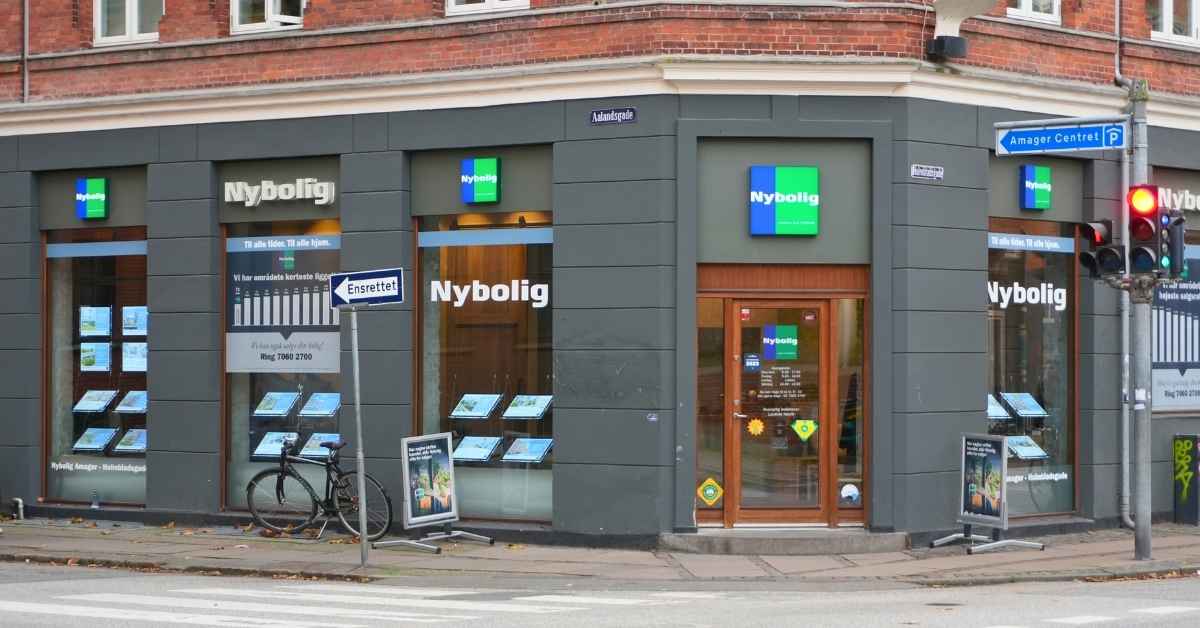
Denmark’s housing market hit a new record high in late 2025, with average prices reaching 18,439 kroner per square meter after a 7 percent annual increase. The surge, driven by falling supply and strong economic fundamentals, shows no signs of stopping in 2026, though experts predict a more moderate pace ahead. I’ve watched Denmark’s housing market for years, and this latest spike still catches me off guard. Not because prices are rising. That’s become predictable. But because the momentum refuses to break, even as we move deeper into 2026. 


Record Prices Across All Regions
According to TV2, the fourth quarter of 2025 delivered the highest average square meter price ever recorded in Denmark. Every single region saw increases. All 11 parts of the country posted gains. Bornholm and Copenhagen led the charge, while North Jutland and West Zealand trailed behind. The numbers tell a clear story. Frederiksberg Kommune topped the list at 85,967 kroner per square meter, up 7.7 percent from the previous year. Lolland sat at the bottom. The gap between Denmark’s most and least expensive housing markets keeps widening, and if you’re an expat trying to find affordable housing, that gap matters more every month. The data from early 2026 shows some regional divergence. In February, the Capital Region climbed 0.6 percent to 38,678 kroner per square meter, while North Jutland dropped 1.3 percent. But don’t mistake short term fluctuations for a trend reversal. The annual picture remains firmly upward.Supply Collapse Fuels the Fire
The driving force behind this surge is simple. Supply has collapsed. The number of homes for sale dropped 18 percent in one year. When fewer properties hit the market and buyers keep showing up with cash and financing, prices climb. That’s basic economics, and Denmark is living through a textbook example. Over 100,000 housing transactions closed in 2025, a record for recent years. People are buying quickly. Homes don’t sit on the market long in Copenhagen or Aarhus. This isn’t speculation or foreign investment flooding the market. It’s Danes with jobs, rising wages, and confidence in the economy pulling the trigger on purchases. Low unemployment and economic growth have put money in people’s pockets. Tax cuts rolled out in 2026 added to disposable income. Meanwhile, the construction sector hasn’t ramped up fast enough to meet demand, especially in desirable urban areas. The result is competition that pushes prices beyond what many first time buyers, including expats, can afford without help.Apartment Prices Hit New Heights
Condominiums saw the sharpest increases. Prices reached 49,088 kroner per square meter in early 2026, up 14 percent year on year. In Copenhagen alone, condo prices jumped 24 percent in 2025. If you’re looking to buy an apartment in the capital, you’re competing in a market that shows little mercy. Houses and townhouses rose 8.7 percent annually in January 2026. Even summer homes, typically more volatile, climbed 10.9 percent, though energy costs have started to dampen enthusiasm in that segment. All boat types are rising, as one Danish analyst put it last year, though monthly data shows some segments pausing for breath.Banks See Continued Growth, But Slower
Major Danish banks are projecting another year of price increases, but at a more measured pace. Nordea forecasts a 4 percent rise in 2026, followed by 3.5 percent in 2027. Danske Bank is more bullish at 6.3 percent for 2026. Nykredit predicts 4.9 percent nationally but expects Copenhagen condos to surge 17.4 percent this year. These projections suggest the market is shifting from the extraordinary to the merely strong. After 2025’s sprint, 2026 looks more like a steady jog. Wages are still climbing. Interest rates remain manageable, even if they’re not dropping as fast as some hoped. The fundamentals supporting the market haven’t cracked. But there are signs of friction. Building activity is picking up in cities like Aalborg, which should ease some pressure on supply. Monthly price data from early 2026 shows apartments slipping 1.4 percent in January, even as annual figures stay positive. These are small cracks, not structural failures, but they hint at a market that may finally be approaching balance.What This Means for Expats and New Buyers
For expats already in Denmark, this is frustrating but not surprising. The Danish Dream of homeownership keeps getting more expensive. Students and recent arrivals face an even steeper climb, especially if they’re still figuring out student housing before they can even think about buying. I’ve watched friends delay purchases, hoping for a correction that never arrives. Others have bitten the bullet and bought at prices that felt absurd two years ago but now look prescient. The market rewards those who act, and it punishes hesitation. That’s hard for anyone who grew up believing housing should be accessible. Denmark’s housing market isn’t in bubble territory, at least not according to the banks and analysts tracking it. But it’s become a machine that generates wealth for those already inside and raises barriers for everyone else. That’s not unique to Denmark, but it’s particularly sharp here given the country’s egalitarian self image. The next few years will reveal whether 2026’s moderation is a correction or just a pause before the next surge. Either way, if you’re planning to buy in Denmark, waiting for a crash probably isn’t the strategy.Sources and References
TV2: Bemærkelsesværdig udvikling på boligmarkedet The Danish Dream: An Expat Guide to Renting in Denmark and Find Affordable Housing The Danish Dream: The Best Way to Find Student Housing in Denmark The Danish Dream: How to Buy an Apartment in Denmark