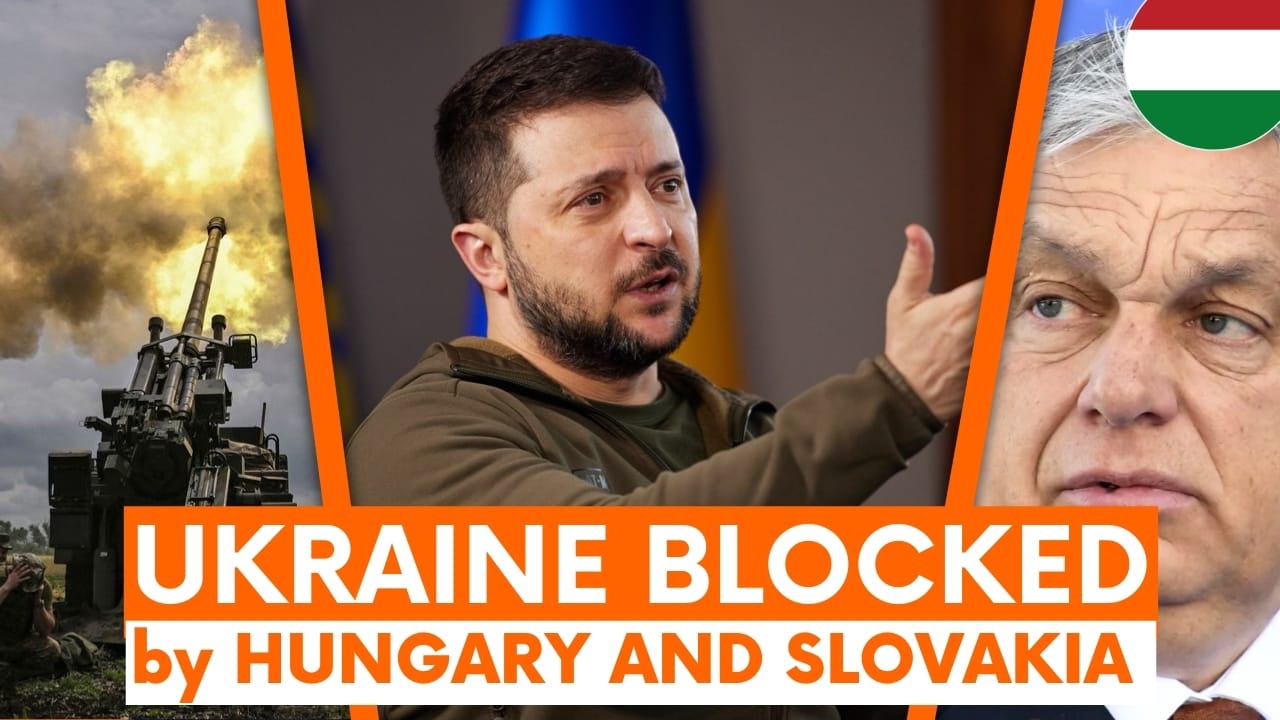
Hungary’s Viktor Orbán is using familiar tactics in his bid for EU leadership, but something is different this time. Denmark watches closely as the Hungarian strongman leverages his rotating EU Council presidency with an eye on deeper continental influence. For a country whose EU support just hit record highs, the stakes feel personal.
I’ve covered Danish politics long enough to know when Copenhagen is paying attention to Brussels. Right now, every policy analyst and foreign affairs reporter in Denmark is watching what Viktor Orbán does next. The Hungarian prime minister has turned his six-month rotating EU presidency into something more ambitious than the ceremonial role it’s meant to be. According to reporting from TV2, he’s deployed his well-known methods of consolidating power and reshaping institutions, but this time the target isn’t just Budapest. It’s the entire European project.
Denmark joined what would become the European Union in 1973, and the relationship has always been complicated. Opt-outs. Referendums. Skepticism baked into the national DNA. But recent polling shows Danish support for EU membership at unprecedented levels. That makes Orbán’s power play land differently here than it might have a decade ago. Danes are more invested in the union’s direction precisely when someone is trying to redirect it.
The Presidency as Platform
Orbán’s Hungary assumed the rotating EU Council presidency knowing exactly what he wanted from it. The role is supposed to be neutral, facilitating agreement among member states rather than advancing national agendas. As noted by TV2’s reporting, Orbán has ignored that convention entirely. He’s used the platform to advance policies that align with his nationalist vision, pushing back against EU institutions that have repeatedly sanctioned Hungary over rule of law violations.
What makes this different from past Orbán gambits is timing and context. Europe faces pressure on multiple fronts in 2026. Migration remains contentious. Energy security hasn’t been solved. Defense spending debates intensify as security guarantees shift. Orbán positions himself not as a disruptor but as a voice for member states tired of Brussels overreach. It’s strategic, and it’s working with certain audiences.
Denmark represents everything Orbán’s model opposes. Open society. Strong institutions. High trust in government. A welfare state funded by 852 billion DKK in social expenditures in 2024, up 4 percent from the previous year. The Danish system depends on EU cooperation for labor mobility, trade frameworks, and shared standards. When Orbán challenges those foundations, he challenges the architecture that makes the Danish model function beyond Denmark’s borders.
Why Denmark Should Care
The immediate concern isn’t that Orbán will single-handedly reshape the EU during a six-month presidency. He won’t. But he’s normalizing approaches that conflict with Danish interests. His government has systematically weakened independent media, packed courts with loyalists, and rewritten constitutional rules to entrench power. As reported by TV2, he’s now exporting that playbook to the European stage, testing how much institutional resistance he’ll face.
I’ve watched Denmark navigate EU politics for years, and the country typically punches above its weight through coalition building and technical expertise. That strategy assumes other member states respect institutional norms. When a presidency holder actively undermines those norms, the Danish approach loses leverage. It’s not about Hungary specifically. It’s about whether the EU remains a rules-based union or becomes a more transactional space where power matters more than process.
The Danish public engagement with these issues remains high, particularly on questions of sovereignty and shared governance. That attention matters as the March 24, 2026 Folketing election approaches. How parties position themselves on EU questions, especially regarding Hungary’s behavior, will signal their broader foreign policy priorities.
What Comes Next
Orbán’s presidency ends soon, but the precedent remains. According to TV2’s analysis, what’s different this time is his willingness to use the role as explicit leverage rather than subtle positioning. Future presidencies will note which tactics succeeded and which faced pushback. Denmark’s role in shaping that response matters, both through bilateral relationships and within EU institutions.
The Danish government hasn’t been silent. Officials have raised concerns through appropriate channels, emphasizing commitment to EU values while maintaining diplomatic relationships. That balance gets harder to strike when a member state uses institutional positions to advance anti-institutional goals. It requires Denmark to choose between pragmatic cooperation and principled opposition.
Orbán knows what he’s doing. He’s betting that enough member states will prioritize national interests over collective governance to fragment unified responses. Denmark’s record-high EU support suggests most Danes reject that fragmentation. Whether that public sentiment translates into effective policy pressure depends on choices made in Copenhagen and Brussels over coming months.
Sources and References
The Danish Dream: Is Denmark in the EU?
The Danish Dream: Danes lead EU in social media but privacy fears mount
The Danish Dream: Danish support for EU membership hits new high
TV2: Orbán har taget sine velkendte metoder i brug men noget er anderledes