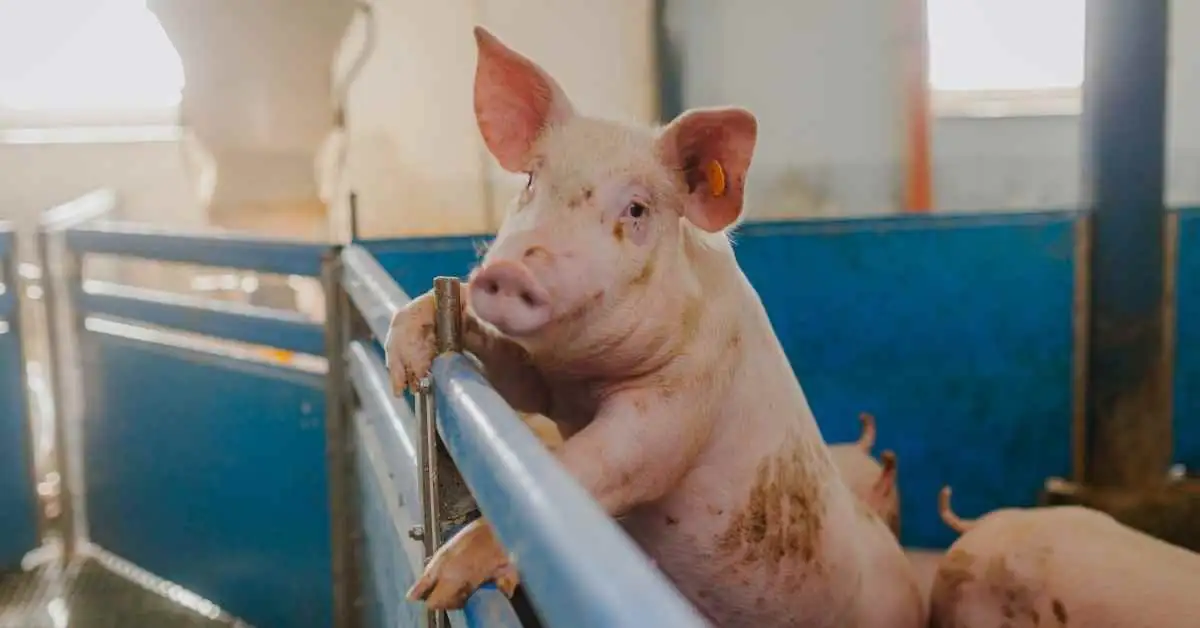
Green organizations and political parties are pushing to make the upcoming March 24 election a referendum on Denmark’s industrial pig farming, following scandals exposed by a TV2 documentary and a citizens’ initiative that gathered over 80,000 signatures. The alliance demands immediate reforms to animal welfare, while industry leaders dismiss concerns as isolated incidents.
Denmark faces a reckoning over its status as the world’s most pig-dense nation. The country produces 30 million pigs annually, maintaining 2.2 pigs per resident despite continuous slaughter. Nearly all of this production feeds export markets, leaving Danes with environmental costs and growing ethical concerns.
A broad coalition of green organizations and left-leaning parties now wants voters to decide whether this model should continue. They call it a “svinevalg,” or pig election, framing the March 24 vote as a choice between powerful agricultural interests and fundamental values around animal welfare, clean water, and climate responsibility.
Scandals Spark Political Movement
Recent revelations have intensified public scrutiny of Denmark’s pig industry. A TV2 documentary titled “Hvem passer på grisene?” exposed systematic problems in pig factories, while multiple abuse cases highlighted failures in animal transport and handling.
Documentary Exposes Systemic Issues
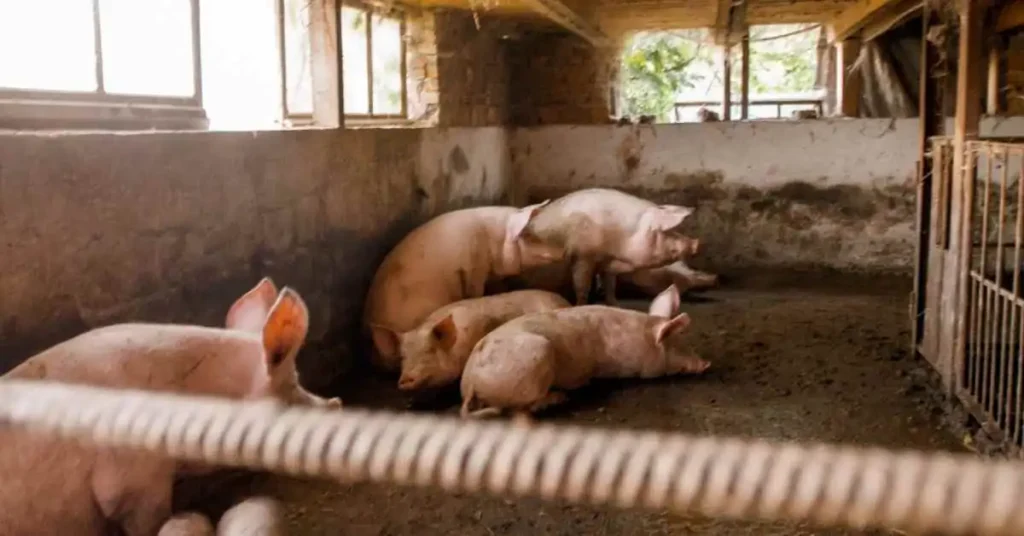
The documentary revealed conditions that activists say reflect structural problems rather than isolated incidents. Footage showed routine practices that raise questions about enforcement of existing animal welfare laws. These revelations contradicted industry claims that problems stem from a few bad operators.
Public response came swiftly. Within days, a citizens’ initiative demanding better pig welfare crossed 50,000 signatures. The petition ultimately gathered over 80,000 supporters, forcing parliamentary consideration.
Daily Death Toll and Routine Mutilation
Behind the statistics lies a troubling reality. Approximately 25,000 piglets die every day in Danish production facilities. Meanwhile, 95 percent of pigs undergo tail docking, a practice that remains technically illegal but continues as standard procedure.
Sows spend weeks confined in fixation systems that prevent natural movement. Critics argue these conditions violate basic welfare principles. Industry representatives maintain such practices ensure production efficiency and food safety.
The Alliance Takes Shape
Four organizations united to create the Alliance for a Pig Election. Dyrenes Beskyttelse, Greenpeace, Danmarks Naturfredningsforening, and Foreningen mod svinefabrikker joined forces to elevate pig welfare as a central campaign issue.
Political Backing From Left and Center
Several parties quickly endorsed the campaign. SF, Radikale Venstre, Enhedslisten, and Alternativet all backed the alliance’s demands. These parties represent diverse constituencies but share concerns about industrial agriculture’s environmental and ethical costs.
On March 8, activists, school students, pensioners, and politicians gathered at Christiansborg for a major rally. Participants carried homemade signs and chanted for change. The demonstration signaled that concern extends beyond traditional environmental activists.
Pressure on Socialdemokratiet
The alliance explicitly targets Socialdemokratiet, Denmark’s largest party, which has not committed to major reforms. Rally organizers made clear that all eyes now rest on the Social Democrats’ response. Their position could determine whether pig welfare becomes a genuine election issue or remains marginal.
Alternativet’s political leader Franciska Rosenkilde argues that 80,000 signatures should send an unmistakable signal to parties that constantly defend conventional pig farming. She frames the election as a test of whether politicians will confront powerful lobbies or prioritize public values.
Environmental and Health Consequences
Denmark’s intensive pig production creates impacts far beyond animal welfare. The agricultural model affects water quality, marine ecosystems, and public health.
Water Contamination Threatens Drinking Supply
The Environment Ministry recently estimated that cleaning drinking water could cost between 6 and 18 billion kroner if agriculture continues spraying pesticides near water sources. Pig farming contributes significantly to this pollution through manure runoff and chemical use.
Approximately 70 percent of nitrogen pollution in Danish waters comes from animal manure. This nutrient overload creates oxygen depletion in fjords and coastal areas. Fish populations suffer, and marine biodiversity declines.
Antibiotic Resistance and Pandemic Risk
Multiple Danish doctors have warned that intensive pig production could become the epicenter of the next pandemic. Dense animal populations create ideal conditions for disease evolution and transmission. Swine influenza constantly mutates in these environments, raising risks of human infection.
Overuse of antibiotics in pig farming also contributes to resistant bacterial strains. This public health threat extends beyond rural areas, as resistant bacteria can spread through food systems and environmental pathways.
What the Alliance Demands
The coalition has outlined both immediate reforms and long-term transformation. Their citizens’ initiative focuses on four urgent changes that could be implemented quickly.
Immediate Welfare Improvements
First, the alliance wants an end to sow fixation systems that confine breeding pigs for weeks. Second, they demand a halt to routine tail docking, which currently affects 95 percent of animals despite being formally prohibited.
Third, they call for more space and rooting material for pigs, allowing natural behaviors. Fourth, they want stricter enforcement of existing animal welfare laws. These measures aim to address the most severe problems without immediately restructuring the entire industry.
Long-Term Agricultural Transformation
The broader vision involves fundamental change. Alliance members propose shifting from industrial monoculture to mixed farming with natural pig breeds that grow at normal rates. Animals would live outdoors with access to trees, grass, and natural environments.
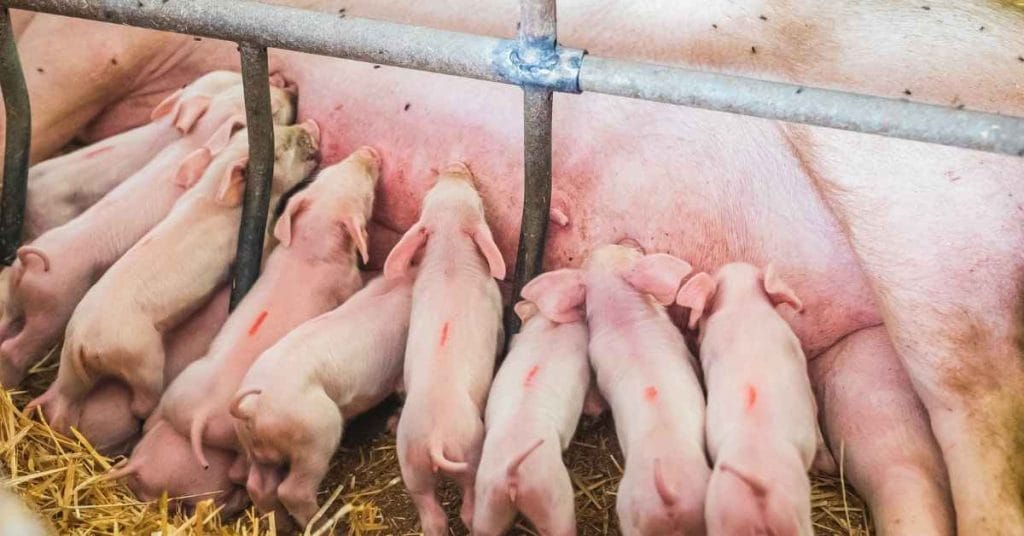
Production volumes would decrease to match what Danish land can sustainably support. Since 86 percent of animal production currently goes to export markets, this would mean a dramatic reduction. The alliance suggests redirecting subsidies toward plant-based farming and requiring public institutions like schools and hospitals to purchase welfare-certified or organic products.
Industry and Government Response
Agricultural industry leaders and some politicians reject claims of systemic problems. They characterize documented abuses as exceptions rather than the rule.
Few Bad Apples Argument
H.C. Gæmelke from Landbrug & Fødevarer and Jens Peter Aggesen from Agerskovgruppen both dismiss welfare concerns as isolated incidents. They argue that most farmers follow regulations and treat animals properly. According to this view, increased oversight of problem operations would suffice.
Food Minister Jacob Jensen from Venstre has defended specific farmers against criticism. His ministry emphasizes agriculture’s economic importance and cautions against reforms that might reduce competitiveness. Industry representatives warn that stricter welfare standards could drive production to countries with lower standards.
Preemptive Counter-Campaign
The agricultural lobby took the unusual step of purchasing the domain svinevalg.dk before the alliance could secure it. This defensive move suggests industry recognition that the pig election framing poses a genuine political threat. The website presumably will counter alliance arguments, though its content strategy remains unclear.
Venstre and Danmarksdemokraterne have positioned themselves as defenders of conventional farming. They frame the debate as urban activists attacking rural livelihoods. This approach aims to mobilize agricultural constituencies and moderate voters concerned about economic impacts.
Denmark’s Agricultural Footprint
The pig election debate occurs within a broader context of Danish land use and environmental policy. Agriculture dominates the landscape in ways that create multiple pressures.
World’s Second Most Cultivated Nation
Denmark ranks as the world’s second most intensively farmed country, surpassed only by Bangladesh. Agricultural land covers 25,787 square kilometers, representing 60 percent of Denmark’s total land area. Most cultivation supports animal feed production rather than direct human consumption.
This intensive land use leaves little room for natural ecosystems. Biodiversity suffers as forests, wetlands, and meadows give way to monoculture fields. The Ministry of Environment recently assessed that 54 percent of Danish species are in decline, with agricultural expansion cited as a primary driver.
Climate and Export Economics
Danish pig farming contributes significantly to national greenhouse gas emissions. Manure storage and application release methane and nitrous oxide. Feed production requires energy-intensive processes. Transportation and processing add further emissions.
The export orientation means most environmental costs remain in Denmark while economic benefits flow abroad. Critics question whether this arrangement serves national interests. Supporters counter that agriculture provides rural employment and foreign exchange earnings, though detailed economic analyses remain scarce in public debate.
Timeline Toward Election Day
Momentum for the pig election has built rapidly since late 2025. The TV2 documentary aired in recent months, though sources do not specify exact broadcast dates.
Signature Campaign Gains Speed
The citizens’ initiative launched shortly after the documentary aired. It reached 50,000 signatures in what organizers described as record time. The total subsequently climbed above 80,000, far exceeding the threshold for parliamentary consideration.
This rapid mobilization suggests widespread public concern that politicians had underestimated. The numbers indicate support extends beyond core environmental activists to include mainstream voters. Urban populations appear particularly responsive to welfare arguments.
Rally Builds Pressure
The March 8 Christiansborg demonstration represented a key escalation. By bringing together diverse groups including school children and retirees, organizers demonstrated broad social support. The timing, just 16 days before the election, maximizes pressure on uncommitted parties.
Politicians attending the rally committed to making pig welfare a priority if elected. Their presence gives the movement parliamentary champions who can translate public sentiment into legislative action. The question remains whether enough parties will commit to create a governing majority for reform.
A Personal Take
The documented welfare failures and environmental damage from industrial pig farming clearly demand urgent action. When 25,000 piglets die daily, and 95 percent of pigs undergo illegal mutilation, something is fundamentally broken. This is well-documented. The public health risks from antibiotic resistance and pandemic potential add weight to reform arguments. That’s another huge problem.
We know the pig lobby is strong, as is the general farming lobby in Denmark. But for too long, we have seen environmental catastrophe in our drinking water and seawater pollution, all because the industry has had its way for too long. Let not the pig farmers have it their way. A line should be drawn in the sand, and it’s about time.
Sources and References
Arbejderen: Grønne organisationer vil gøre den 24. marts