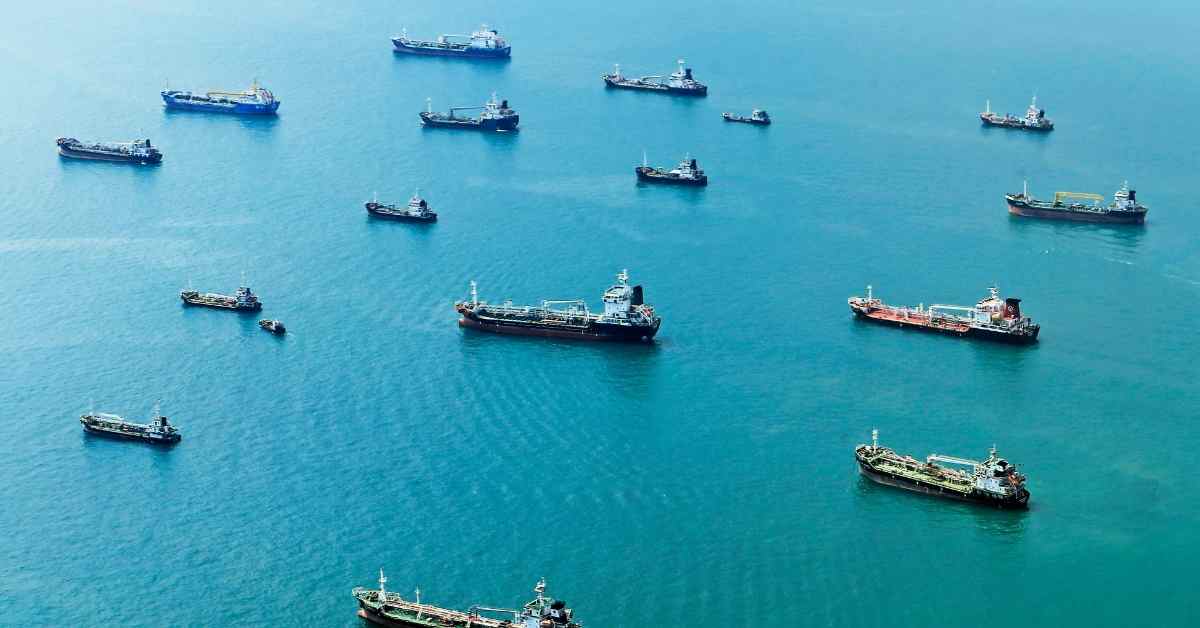
Around 150 ships are stranded near the Strait of Hormuz as escalating tensions between the United States, Israel, and Iran have effectively shut down the world’s most critical energy chokepoint. Energy analysts warn of panic in global markets, with Europe facing particularly severe consequences from surging gas and diesel prices at a time when storage needs to be refilled after a harsh winter.
Global Energy Chokepoint Grinds to a Halt
The Strait of Hormuz, a narrow waterway between Iran and Oman, has become the epicenter of a deepening crisis that threatens to disrupt global energy supplies. Approximately 20 percent of the world’s oil and gas normally passes through this strategic passage, which connects the Persian Gulf to the Arabian Sea.
Shipping Traffic Comes to a Standstill
Analysts describe the situation as unprecedented. Chief analyst Arne Lohmann Rasmussen from Global Risk Management reports that the strait is effectively closed, with only Iranian warships navigating the waters in recent days. Around 150 vessels are now idle off the coasts of the United Arab Emirates and Oman, waiting for safe passage.
Shipping analyst Peter Sand from Norwegian firm Xeneta confirms the severity of the disruption. The last commercial ships passed through on Saturday, with several vessels making emergency U-turns. Such a complete halt in traffic is highly unusual for this vital corridor, which typically handles roughly 3,000 ships monthly carrying energy supplies from Iran, Iraq, Kuwait, Qatar, Saudi Arabia, and the United Arab Emirates.
Insurance and Security Fears Mount
The shipping paralysis stems from two main factors. Fears of direct attacks have intensified after at least five major tankers and cargo ships were hit entering or leaving the strait since late February. Maritime security organization UKMTO has issued warnings that the risk of further attacks remains high.
Beyond the immediate threat of violence, insurance coverage has become a critical obstacle. Ships can no longer obtain the necessary coverage to transit the area, effectively making passage commercially impossible even if captains were willing to take the physical risk. This insurance gap may prove harder to resolve than temporary security concerns.
Europe Faces Disproportionate Economic Impact
While the crisis originated in Middle Eastern waters, analysts predict that European economies will bear the heaviest financial burden from the disruption.
Gas and Diesel Prices Hit Europe Hardest
Europe’s dependence on imported energy makes it particularly vulnerable to supply shocks. Chief analyst Rasmussen notes that while the United States is conducting military operations in the region, Europe may end up paying the economic price. The continent relies far more heavily on imported gas and diesel than America, which largely meets its energy needs through domestic production.
Oil prices have risen significantly, but refined products like diesel and jet fuel have climbed even more steeply. Europe imports roughly 30 percent of these refined products from external sources, with two thirds normally transported through the Strait of Hormuz.
Cold Winter Depletes European Gas Reserves
The timing could hardly be worse for European energy security. After an exceptionally cold winter across the continent, gas storage facilities need replenishing ahead of next season. Rasmussen warns that restocking will prove challenging if nearly 20 percent of normal export capacity remains blocked.
Whether the situation will mirror the 2022 energy crisis that followed Russia’s invasion of Ukraine remains uncertain. During that earlier crisis, energy prices increased fivefold, whereas current increases represent roughly a doubling. However, the combination of depleted reserves and disrupted supply routes creates a worrying scenario for European energy planners.
Immediate Consequences for Consumers and Industry
The effects of the Hormuz closure are already rippling through energy markets and global supply chains, with analysts warning of mounting pressure on both businesses and households.
Electricity Prices Set to Rise Quickly
Rising gas prices translate directly into higher electricity costs for European consumers. Natural gas remains a crucial fuel for power generation across much of the continent, meaning that wholesale gas price increases flow through to retail electricity bills within weeks.
Denmark and other Nordic countries with significant renewable capacity are not immune to these pressures. Regional power markets remain interconnected, and gas-fired generation in neighboring countries influences electricity prices across borders. February 2026 already saw sharp price increases in Nordic markets due to winter demand, and the current supply disruption threatens to extend that trend.
Supply Chain Disruptions Spread Beyond Energy
The impact extends well beyond fuel and electricity. Shipping analyst Sand reports that global supply chains are experiencing significant strain from the traffic stoppage. Goods already in transit face delays, while shipping companies have stopped accepting new bookings for routes through the affected area.
Freight rates are climbing as vessels seek longer alternative routes around Africa, adding weeks to journey times and substantial costs to transported goods. These delays and expenses will eventually filter through to consumer prices on a wide range of products, from electronics to clothing, though the full effect depends on how long the crisis persists.
Uncertainty Over Duration and Resolution
Energy analysts increasingly believe the disruption may last far longer than initially anticipated, with no quick diplomatic or military solution in sight.
No End Date in Sight
Rasmussen emphasizes that many market participants are beginning to accept that the crisis will not resolve quickly. The situation is not something that will be fixed tomorrow or the day after, he notes. This growing realization is contributing to the panic observed in energy markets as traders price in extended disruption.
The geopolitical tensions driving the closure show no signs of immediate de-escalation. Until the underlying conflict between Iran and Western powers finds some form of resolution or accommodation, commercial shipping through the strait will likely remain suspended or severely restricted.
Long Term Implications for Energy Security
The crisis highlights ongoing vulnerabilities in global energy infrastructure despite years of investment in diversification following the 2022 Russian gas cutoff. Even as Europe has reduced dependence on Russian supplies and expanded liquefied natural gas import capacity, concentration of supply routes through narrow chokepoints remains a fundamental weakness.
For Denmark and the broader European Union, the incident reinforces the strategic importance of accelerating energy transition plans. The EU’s Net-Zero Industry Act aims to produce 40 percent of key clean energy technologies domestically by 2030, reducing dependence on vulnerable international supply chains for both fuels and equipment.
Historical Context and Previous Crises
The Strait of Hormuz has long been recognized as one of the world’s most strategically sensitive locations, with periodic tensions flaring over decades.
A Recurring Flashpoint
The narrow waterway has been at the center of geopolitical tensions since the 1980s during the Iran-Iraq War. At its narrowest point, the strait measures just 33 kilometers wide, making it relatively easy to threaten or disrupt compared to open ocean routes.
Previous incidents have included tanker attacks, mining operations, and periodic threats by Iran to close the passage in response to international sanctions or military pressure. However, the current situation represents one of the most sustained and complete closures in recent memory.
Comparison to 2022 Energy Crisis
The disruption inevitably draws comparisons to the energy shock that followed Russia’s 2022 invasion of Ukraine. That crisis forced Europe to rapidly diversify away from Russian pipeline gas, leading to record high prices and concerns about winter shortages.
The current situation differs in some respects. Gas storage levels were higher before Russia’s invasion, whereas Europe now starts from a depleted position after the recent cold winter. However, Europe has since developed greater LNG import capacity and alternative supply relationships, potentially providing more flexibility than in 2022 despite the challenging circumstances.
Sources and References
The Danish Dream: Oil Prices Explode as Hormuz Shipping Halts
The Danish Dream: Europe Cuts Russian Gas Turns to US and Norway
The Danish Dream: Denmark’s Gas Crisis Winter Supplies at Risk
The Danish Dream: Energy Electricity in Denmark for Foreigners
TV2: Her er billedet på panikken på verdens energimarkeder
World Economic Forum: Global Energy 2026 Growth Resilience and Competition
OilPrice.com: The Global Power Sector Faces a Reckoning in 2026
Mind Energy: February Recap Sharp Price Increases in Early 2026